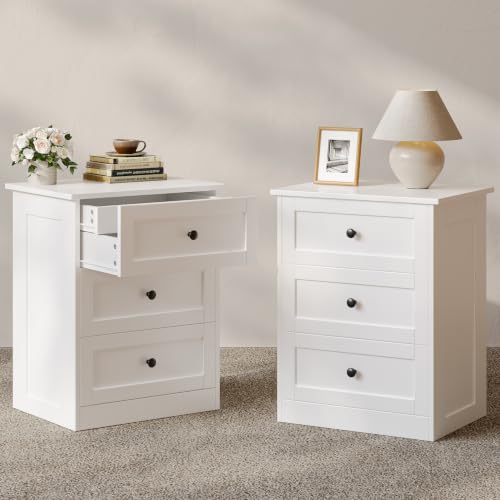
White Dresser and Matching Nightstand: The Complete Buying Guide
Create a calm, cohesive bedroom with a white dresser and matching nightstand set. This guide walks you through style choices, size planning, material quality, storage features, and the practical details that turn a furniture purchase into a long-term bedroom upgrade.
Start the GuideWhy Choose a White Dresser and Matching Nightstand?
A white dresser paired with a matching nightstand is one of the most versatile furniture combinations you can bring into a bedroom. White reflects light, makes compact rooms feel larger, and creates a clean backdrop that works with nearly any color palette. When the dresser and nightstand share the same finish, hardware, and design language, the room immediately reads as intentional and well-planned.
The set also simplifies decision-making. Instead of hunting for a dresser that coordinates with an existing nightstand, you get a unified look in one purchase. This is especially helpful for first-time bedroom setups, guest rooms, and nurseries where visual consistency matters.
Beyond aesthetics, a matching set supports functional symmetry. The nightstand holds the items you reach for daily—a lamp, a book, a glass of water—while the dresser handles clothing and larger storage. Together, the pair distributes storage evenly across the room and keeps clutter from piling up on one side.
Editor's note: A white dresser and matching nightstand are not just a style choice—they are a storage system. Plan the pair around what you actually keep beside the bed versus what belongs in drawers, and the set will stay organized long after the initial setup.
Matching Styles: Finding the Right Design Language
The best white dresser and nightstand sets share more than color. They share proportions, hardware style, drawer lines, and leg shape. Here is how the most common styles differ.
Modern and Contemporary Sets
Modern white dresser and nightstand sets favor clean lines, flat drawer fronts, and minimal ornamentation. You will often see handleless drawers, integrated pulls, or slim metal hardware. These sets pair well with platform beds and neutral bedding. If you want a sleek look, explore a white modern dresser as the anchor piece.
Farmhouse and Cottage Sets
Farmhouse-style sets bring warmth through paneled drawer fronts, bracket feet, and sometimes a distressed or brushed finish. A white farmhouse dresser paired with a matching nightstand creates a relaxed, inviting bedroom. These sets often include curved details and vintage-inspired knobs.
Mid-Century Modern Sets
Mid-century white dresser and nightstand sets are defined by tapered legs, inset drawers, and a low, horizontal profile. They work beautifully in smaller bedrooms because the open leg space keeps the floor visible. See a white mid-century dresser for reference on proportions and leg style.
Glam and Mirrored Sets
If you prefer a more polished bedroom, a white mirrored dresser with a coordinated nightstand adds reflection and light. These sets often feature crystal or metallic knobs and work well in rooms with soft, neutral textiles.
Coastal and Rattan Accents
White furniture with woven or rattan drawer fronts creates an airy, coastal feel. A white rattan dresser paired with a simpler white nightstand keeps the texture from overwhelming the room. This style suits bright, relaxed bedrooms.
Key Buying Factors for a White Dresser and Nightstand Set
Before you choose a set, evaluate these practical factors. They determine whether the furniture fits your room, your storage habits, and your long-term satisfaction.
1. Size and Proportion
Measure the wall where the dresser will sit and the space beside the bed for the nightstand. A dresser that is too deep can block walking paths; a nightstand that is too tall can feel unbalanced next to the bed. As a rule, the nightstand top should sit at or slightly below mattress height.
For narrow rooms, consider a white small dresser for bedroom paired with a compact nightstand. For larger rooms, a white wide dresser provides more surface area and storage without crowding.
| Room Type | Recommended Dresser Profile | Nightstand Consideration |
|---|---|---|
| Compact bedroom | Small or narrow dresser, 3–4 drawers | Single-drawer or open-shelf nightstand |
| Standard bedroom | Wide dresser, 6–8 drawers | Two-drawer nightstand with a lower shelf |
| Primary suite | Large dresser or double dresser | Taller nightstand with closed storage |
| Guest or nursery | Mid-size dresser with soft-close drawers | Compact nightstand with rounded corners |
2. Material and Build Quality
White furniture is available in solid wood, engineered wood with veneers, and painted composites. Solid wood and high-grade engineered wood hold up better over time, especially around drawer joints and legs. Look for dovetail drawer construction, metal drawer glides, and a finish that resists yellowing.
If you want a natural accent, a white dresser with wooden top pairs well with a matching nightstand that shares the same wood tone on its top surface. This small detail ties the set together without making the room feel monotonous.
3. Drawer Count and Storage Layout
Think about what you store beside the bed versus what belongs in the dresser. Nightstands typically hold a lamp, phone, book, and perhaps a few personal items. Dressers handle folded clothing, linens, and seasonal items.
- 3–4 drawer dressers: Best for small rooms, guest rooms, or closets.
- 5–6 drawer dressers: A balanced choice for most bedrooms.
- 7+ drawer dressers: Suited to primary suites and shared bedrooms.
If you need more vertical storage, a white tall dresser maximizes drawer space without taking up much floor area. Pair it with a slim nightstand to keep the room balanced.
4. Safety Features
Any dresser or nightstand should meet current stability standards. Look for anti-tip hardware, and always secure tall pieces to the wall. This is especially important in nurseries and children's rooms. A white children's dresser should include safety straps and rounded edges.
5. Finish and Durability
White finishes vary from matte to high-gloss. A white gloss dresser reflects light and is easy to wipe clean, but it shows fingerprints more readily. Matte and satin finishes hide minor scuffs better and feel softer in a bedroom setting. For a natural, textural look, a white wash dresser adds subtle grain visibility.
Hardware and Finish Details That Unify the Set
Hardware is the detail that makes a white dresser and nightstand feel like a matched pair. The same knob or pull style should appear on both pieces, even if the sizes differ.
- Gold and brass: A white dresser with gold handles paired with gold-accented nightstand hardware adds warmth and a hint of luxury.
- Black accents: A white dresser with black knobs creates contrast and works well in modern or industrial-inspired rooms.
- Crystal and glass: A white dresser with crystal knobs suits glam and traditional bedrooms.
- Minimal and integrated: Handleless drawers keep the look clean and are easy to maintain.
If you prefer a softer metallic look, a white dresser with silver hardware pairs well with cool-toned bedding and lighting.
Room Planning and Placement Tips
Placement affects how the set functions day to day. The nightstand should sit within arm's reach of the bed, with the top surface clear enough for a lamp and a few essentials. The dresser should have enough clearance in front of it to open drawers fully—typically at least 30 inches of open floor space.
In smaller rooms, consider a white vertical dresser to save floor width, and choose a nightstand with a smaller footprint. If the room has a closet, a white small dresser for closet can free up bedroom space entirely while still providing folded storage.
Lighting matters too. White furniture reflects light, so a bedside lamp with a warm bulb can soften the room. Avoid placing the dresser directly opposite a window if glare bothers you during the day.
Coordinating with Other Furniture
A matching dresser and nightstand set does not have to dominate the room. If you already have a wood bed frame, a white set creates contrast while still feeling cohesive. A white dresser and matching desk combination can extend the same finish into a work area for multi-purpose bedrooms.
Care and Maintenance for White Furniture
White furniture is forgiving in many ways, but it does require routine care to stay looking fresh.
- Dust with a soft, dry cloth weekly to prevent buildup.
- Wipe spills promptly with a damp cloth and mild soap.
- Avoid abrasive cleaners that can dull the finish.
- Use felt pads under lamps and decor to prevent scratches.
- Keep the set out of direct, intense sunlight to reduce yellowing over time.
- Check and tighten hardware periodically.
If the set includes soft-close drawers, avoid slamming them and keep the glides free of debris. A white dresser with soft-close drawers is easier to maintain in busy households because the mechanism reduces wear from daily use.
Long-term tip: White finishes age best when they are cleaned gently and consistently. A few minutes each week keeps the set looking intentional rather than worn.