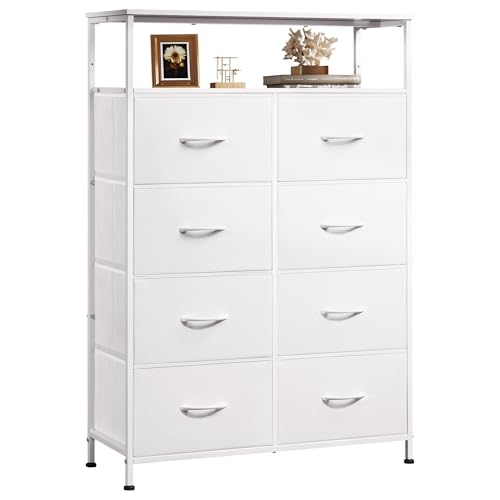
White Dresser with Open Shelves: The Complete Guide
Discover how a white dresser with open shelves combines closed drawer storage with display space — perfect for organized, stylish bedrooms. Learn styles, materials, and how to choose the right piece.
Start ExploringDresserAdvisor Insight: A white dresser with open shelves is one of the most versatile storage pieces you can own. The closed drawers keep clutter hidden, while the open shelves give you room to display books, decor, and everyday essentials. This guide covers everything you need to make a confident choice.
What Is a White Dresser with Open Shelves?
A white dresser with open shelves is a hybrid storage piece that pairs traditional drawer storage with exposed shelving. Instead of a solid block of drawers, the design incorporates one or more open shelf compartments — usually at the top, on the sides, or in a central column — where you can place items you want within easy reach or on display.
These dressers work especially well in bedrooms where you want a clean, bright aesthetic without sacrificing practicality. The white finish reflects light and makes small rooms feel larger, while the open shelves add a layer of display space that a standard chest of drawers simply cannot offer.
If you are still comparing storage types, our guide on white chest of drawers explains the differences between drawer-only configurations and hybrid designs like this one. For a broader look at bedroom storage options, see our white dressers for bedroom collection.
Common Configurations
- Top shelf + lower drawers: The most common layout — an open shelf runs across the top, with three to six drawers below.
- Side shelving: Open shelves flank the drawer stack on one or both sides, creating a symmetrical look.
- Center column: A vertical open shelf column sits between two drawer banks, often used for books or decorative items.
- Open cubbies: Smaller square compartments integrated into the frame, ideal for baskets and folded items.
Key Benefits of a White Dresser with Open Shelves
Choosing a dresser with open shelving is a design decision that pays off in both form and function. Here is what makes this configuration stand out:
Dual-Purpose Storage
Closed drawers keep clothing and personal items out of sight, while open shelves give you instant access to frequently used items like books, glasses, or a small speaker.
Visual Breathing Room
A solid wall of drawers can feel heavy. Open shelving breaks up the mass and makes the piece — and the room — feel lighter and more airy.
Display Opportunity
Showcase framed photos, small plants, decorative objects, or a curated book collection. The white backdrop makes everything displayed pop.
Bright, Clean Aesthetic
White furniture reflects natural light, which is especially valuable in smaller bedrooms or rooms with limited windows.
Easy to Style
Open shelves are simple to rearrange seasonally. Swap in new decor without having to reorganize the entire dresser.
Versatile Placement
Works as a bedroom dresser, a living room console, or even a hallway catch-all. The open shelves make it adaptable to many rooms.
Popular Styles and Configurations
The style you choose should match your bedroom's overall design language. Here are the most common styles for white dressers with open shelves:
Modern and Minimalist
Clean lines, flat drawer fronts, and a pure white finish. Modern open shelf dressers often use metal legs or a floating design to reinforce the airy feel. Look for handleless drawers or slim bar pulls. If you prefer a sleek look, our white modern dresser guide covers similar clean-lined options.
Farmhouse and Coastal
Beadboard details, distressed edges, and a soft white or off-white finish. Farmhouse styles often pair open shelving with X-brace sides or sliding barn-door elements. The open shelves are usually used for baskets and folded blankets.
Mid-Century Modern
Tapered legs, warm wood accents, and a bright white body. Mid-century open shelf dressers often feature a mix of drawer sizes and a single open compartment. Our white mid-century dresser page explores this style in more depth.
Transitional
A blend of traditional and contemporary elements — think raised panel drawers, classic molding, but with a fresh white finish and open shelving integrated into the top or sides. This is a versatile choice for many bedroom decors.
Tall and Vertical
If floor space is limited, a vertical configuration stacks drawers and shelves upward. These work well in narrow rooms and closets. See our white tall dresser guide for related options.
Materials and Finishes
The material affects durability, weight, and how the white finish ages. Here is a comparison of common options:
| Material | Durability Tier | Best For | Notes |
|---|---|---|---|
| Solid Wood (Pine, Oak, Maple) | Premium to luxury | Long-term investment, heavy use | Can be sanded and repainted; heaviest option |
| Engineered Wood (MDF, Particleboard) | Entry-level to mid-range | Lightweight bedrooms, occasional use | Uniform finish; check edge banding quality |
| Plywood with Veneer | Mid-range to premium | Balanced durability and weight | Good screw retention; resists warping |
| Metal Frame with Wood Shelves | Mid-tier to high-end tier | Modern and industrial styles | Look for powder-coated finishes |
White Finish Options
- Painted white: Classic and opaque. Look for a factory-applied finish for even coverage.
- Lacquered white: Glossy and smooth — a top-tier finish that resists stains well. See our white lacquer chest of drawers guide for more on this finish.
- Whitewashed: A semi-transparent finish that shows wood grain. Great for farmhouse and coastal styles. Our white wash dresser page covers this in detail.
- Matte white: Modern and fingerprint-resistant. Popular in contemporary designs.
How to Choose the Right Piece
Before you commit, run through these five considerations. They will help you avoid the most common buying mistakes.
1. Measure Your Space First
Measure the wall where the dresser will sit, the depth of the room, and the height of any adjacent furniture. Remember to account for drawer pull-out clearance — usually 18 to 24 inches in front of the dresser. For small rooms, a white small dresser for bedroom may be a better fit than a wide model.
2. Decide How Much Open Storage You Need
If you mostly need clothing storage, prioritize drawer count. If you want display space or easy access to everyday items, look for a larger open shelf area. A 50/50 split works well for multi-use bedrooms.
3. Match the Style to Your Room
A modern minimalist bedroom calls for a sleek, handleless design. A farmhouse bedroom suits beadboard and distressed finishes. For bedroom-specific inspiration, see our white dressers for bedroom guide.
4. Consider Drawer Quality
Check for metal drawer glides, dovetail joints, and soft-close mechanisms. Mid-range and premium models typically offer smoother operation and better weight capacity than entry-level pieces. Our white dresser with soft-close drawers article explains what to look for.
5. Plan the Surrounding Furniture
If you want a coordinated bedroom set, look for matching nightstands and other pieces. A white dresser and nightstand pairing keeps the room cohesive. You might also consider a white dresser and matching desk for a bedroom that doubles as a workspace.
Open Shelf Organization Tips
Open shelves are only as useful as the way you organize them. Here are practical strategies to keep them tidy and functional:
- Use decorative baskets: Baskets hide small or unsightly items while keeping the shelf visually clean. White or natural woven baskets work well with a white dresser.
- Group by height: Place taller items (books, vases) on one side and shorter items on the other. This creates a balanced, intentional look.
- Limit to three to five objects per shelf: Overcrowding defeats the purpose of open shelving. Rotate decor seasonally instead of cramming everything on at once.
- Keep daily essentials accessible: Place frequently used items — a small clock, reading glasses, a phone charger — on the shelf closest to your bed.
- Add bookends or dividers: These keep books and magazines upright and prevent clutter from spreading.
- Use trays for small items: A shallow tray corrals jewelry, keys, and other small objects so they don't scatter across the shelf.
For more drawer-specific organization advice, our guide on white dressers with a jewelry drawer covers built-in storage options that pair well with open shelving.
Safety and Durability
Dressers are heavy pieces of furniture, and safety should never be an afterthought — especially in homes with children or pets.
Anti-Tip Restraints Are Essential
Every dresser, including open shelf models, should be anchored to the wall using the anti-tip kit that comes with it. Open shelving can make a piece slightly more top-heavy if you place heavy items on the upper shelves, so anchoring is especially important. For nursery and children's room options, see our white children's dresser guide.
Drawer Load Ratings
Check the manufacturer's recommended weight limit per drawer. Entry-level engineered wood drawers may support less weight than solid wood or plywood drawers. Distribute heavy items (like jeans and sweaters) across lower drawers whenever possible.
Shelf Weight Capacity
Open shelves have their own weight limits. Avoid stacking heavy hardcover books or large decorative items on a single shelf. Spread weight evenly and check for sagging over time.
Finish Durability
White finishes show scuffs and marks more readily than darker colors. Look for factory-applied finishes with a protective topcoat, and keep a touch-up pen on hand for minor chips.
Frequently Asked Questions
What is the main advantage of open shelves on a dresser?
Are white dressers with open shelves suitable for small bedrooms?
How do I keep open shelves from looking cluttered?
Can I use a white dresser with open shelves outside the bedroom?
What should I look for in terms of build quality?
Ready to Find Your Perfect White Dresser?
Browse our curated selection of white dressers with open shelves and other bedroom storage pieces. Compare features, styles, and configurations to find the right fit for your space.
Explore Recommendations