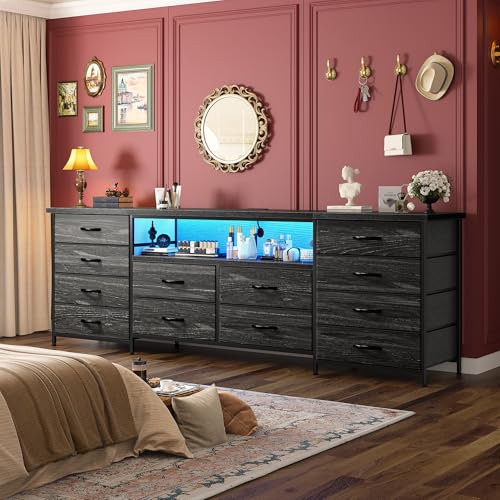
Couples Dresser: Shared Storage That Works for Two
Sharing a bedroom means sharing storage. A well-chosen couples dresser balances space, fairness, and style so both partners can stay organized without friction.
Explore the Buying GuideWhat Makes a Dresser Suitable for Couples
A couples dresser is not simply a larger dresser. It is a storage piece planned around two people sharing the same footprint. The right model gives each partner a clear zone, reduces daily friction, and keeps the bedroom visually calm. When both people have a dedicated place for their clothing, the dresser stops being a source of clutter and becomes a reliable part of the morning routine.
In practice, a couples dresser usually combines three qualities: generous total capacity, a drawer layout that can be split evenly, and a footprint that fits the bedroom without crowding the bed or walkways. Many couples find that a wide combo dresser with six to nine drawers offers the best balance, while others prefer a tall chest paired with a smaller shared unit.
The concept also extends beyond the bedroom. Couples who live in apartments or share a closet often use a closet dresser to keep everyday clothing within reach while reserving the main dresser for shared linens and seasonal items. The goal is always the same: predictable, equal storage that both partners can maintain.
Choosing the Right Size for Two People
Size is the first decision and the one that causes the most regret when it is rushed. A dresser that is too small forces overflow onto chairs and nightstands, while an oversized unit can make a bedroom feel cramped. For two people, the sweet spot is usually a wide dresser between 60 and 72 inches, or a tall chest with at least six deep drawers.
Use the table below to match drawer count and width to your shared storage needs. The tiers describe relative capacity, not specific measurements.
| Shared Need | Suggested Format | Drawer Count | Best For |
|---|---|---|---|
| Light shared wardrobe | Compact wide dresser | 4 to 6 | Couples with large closets |
| Balanced everyday storage | Double dresser | 6 to 8 | Most couples in standard bedrooms |
| Full shared wardrobe | Wide dresser or dresser plus chest | 8 to 12 | Couples without generous closet space |
| Compact apartment | Tall chest or corner dresser | 5 to 7 | Small bedrooms and shared studios |
Measure the wall space before you commit. Leave at least 30 inches of clearance in front of the dresser so drawers can open fully, and check that the top height is comfortable for both partners. A surface around waist height works well for daily use and for styling with a mirror or lamp.
If your bedroom is narrow, a compact dresser combined with a corner dresser can recover unused floor space. Couples in loft or studio layouts often pair a deep dresser with vertical storage to maximize capacity without widening the footprint.
How to Divide Drawers Fairly
The most common source of dresser tension between partners is unclear ownership. Drawers drift, one person's clothing spreads into the other's zone, and the dresser becomes a shared pile rather than a shared system. A simple split prevents most of this.
A practical division method
- Equal personal zones: Give each partner the same number of drawers, even if one person stores more items per drawer.
- One shared drawer: Reserve a single drawer for linens, accessories, or items both people use, such as socks, belts, or workout wear.
- Vertical separation: On wide dressers, assign the left half to one person and the right half to the other. This mirrors the natural symmetry of a double dresser.
- Top versus bottom: Some couples prefer one partner on the top rows and the other on the bottom rows, especially with a tall chest where reach matters.
Labeling is optional but surprisingly effective. A small label inside each drawer, or a consistent color of clothes drawer dividers, signals ownership without visible clutter. Couples who share a closet dresser drawers system often use the same approach inside the closet to keep the split consistent.
Tip: Agree on a quarterly review. As seasons change, clothing volume shifts. A short check-in keeps the split realistic and prevents one partner from quietly absorbing the overflow.
Styles and Finishes That Suit Both Partners
Shared furniture has to satisfy two sets of preferences. The safest approach is to choose a neutral foundation and let smaller accents carry personality. Natural wood tones, soft white, and warm gray finishes blend with most bedding and wall colors, which makes the dresser easier to live with over time.
Consider these style directions for a shared bedroom:
- Classic and symmetrical: A classic dresser with matching hardware reads as intentional and works in traditional and transitional rooms.
- Contemporary and clean: A contemporary dresser and nightstand set creates a coordinated, hotel-like feel with minimal effort.
- Soft and calming: A cream dresser or coastal dresser keeps the room bright and pairs well with light textiles.
- Warm and grounded: A dark wood dresser or dark oak dresser adds depth and hides everyday wear well.
Hardware is an easy compromise point. If partners disagree on knobs or pulls, a custom dresser or a simple hardware swap lets you keep the body neutral while adjusting the details. For couples who want matching pieces without a full matching suite, a combo dresser paired with separate nightstands offers flexibility.
Organization Systems for Shared Drawers
Even a well-split dresser needs internal structure. Without dividers and a folding routine, drawers become mixed piles and the fair split collapses. A shared dresser works best when both partners use the same organization language.
Core systems to set up
- Drawer dividers: Use clothing drawer organizers to create fixed lanes for folded shirts, socks, and underwear.
- Vertical folding: Fold clothing so items stand upright and are visible at a glance. This reduces digging and keeps each partner within their zone.
- Seasonal rotation: Move off-season clothing to under-bed storage or a closet organizer chest of drawers so the shared dresser stays focused on current wear.
- Shared drawer rules: Keep the shared drawer limited to categories both partners use, such as linens, gym wear, or travel accessories.
Couples who use a clothes dresser as their primary storage often add a clothes drawer insert for small items and a separate bin for laundry. The goal is a system that is easy to reset at the end of each week, not a perfect setup that requires constant maintenance.
Quick checklist for shared drawers:
- Equal drawer count per partner
- One clearly labeled shared drawer
- Dividers in every personal drawer
- Seasonal overflow stored elsewhere
- Weekly five-minute reset
Couples Dressers for Small Bedrooms
Not every couple has room for a wide double dresser. In compact bedrooms, the strategy shifts from horizontal capacity to vertical and multi-purpose storage. A tall chest, a corner unit, or a dresser that doubles as something else can keep two people organized without taking over the floor.
Options that work well for couples in smaller spaces:
- Tall chest: A tallboy format uses wall height instead of width, making it a strong choice for narrow rooms. Pair it with a closet armoire wardrobe if hanging space is also limited.
- Corner placement: A corner chest of drawers or corner dresser with drawers recovers floor space that would otherwise be wasted.
- Multi-purpose units: A desk and dresser combo or combination dresser and TV stand serves two functions in one footprint.
- Closet integration: A closet dresser moves everyday storage into the closet, freeing bedroom floor space for both partners.
Small-space couples should also look at closet organization ideas to extend storage beyond the dresser. A well-organized closet often makes a compact shared dresser feel far larger than its dimensions suggest.
Buying Guide: What to Look For
When you are ready to choose a couples dresser, focus on construction, drawer action, and layout rather than surface details. These factors determine how the dresser performs daily for two people.
Construction and durability
- Solid wood or high-grade engineered panels: Look for dovetail or reinforced drawer joints, which hold up better under frequent opening by two users.
- Stable frame: A solid build with a reinforced base reduces wobble and protects the finish over time.
- Finish quality: A durable, easy-clean finish matters in shared furniture, especially on the top surface where both partners place daily items.
Drawer action and layout
- Smooth glides: Metal ball-bearing slides or well-made wooden runners make daily use quieter and less frustrating.
- Deep drawers: Deep drawers hold folded clothing efficiently and suit both partners' storage styles.
- Symmetrical layout: A layout with mirrored drawer sizes makes the personal split intuitive and visually balanced.
Safety and placement
- Anti-tip hardware: Secure the dresser to the wall, especially in homes with children or pets.
- Clearance: Confirm that drawers open fully without blocking walkways or closet doors.
- Reach height: Check that the top drawers are comfortable for both partners to access.
If you are comparing formats, a combo dresser often gives couples the most flexible balance of width and drawer count. Couples who prefer a coordinated bedroom can also consider a contemporary dresser and nightstand set or a cream dresser and nightstand set to create a unified look without hunting for matching pieces separately.
Finally, decide early whether the dresser is the primary storage or a secondary piece. If it is primary, prioritize drawer count and depth. If it is secondary, prioritize style and footprint. That single decision narrows the field faster than any other.
Frequently Asked Questions
What size dresser is best for a couple?
Most couples find a wide six- to nine-drawer dresser gives each person an equal share of space. If the bedroom is compact, a tallboy chest paired with a smaller shared dresser can work well.
How do couples divide dresser drawers fairly?
Assign an equal number of drawers to each person and reserve one shared drawer for linens, accessories, or seasonal items. Labeling or using dividers keeps the split clear and prevents overflow.
Can two people share a small dresser?
Yes. A compact dresser works for two people if you combine it with under-bed storage, a closet organizer, and a strict seasonal rotation. Use drawer dividers to separate personal zones.
What style of dresser works best for a shared bedroom?
Neutral finishes such as natural wood, white, or soft gray suit both partners and blend with most decor. Symmetrical designs with matching hardware create a balanced, hotel-like look.