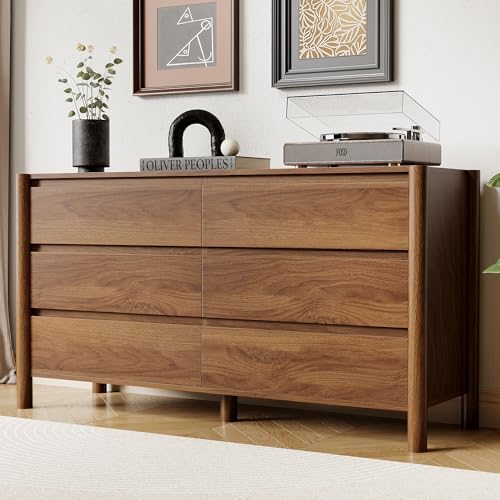
Dark Oak Dresser: Timeless Warmth for Your Bedroom
A dark oak dresser combines the natural depth of oak grain with a rich, moody finish that anchors any bedroom. Learn how to choose, style, and care for this enduring storage piece before you invest in one.
EXPLORE THE GUIDEWhy dark oak? Oak is one of the hardest, most durable hardwoods used in furniture-making. When finished in a deep tone, it hides everyday wear better than lighter finishes while still showing the character of the grain. A dark oak dresser is a long-term investment that suits both traditional and modern interiors.
What Makes a Dark Oak Dresser Distinct?
Oak is a dense, open-grained hardwood prized for its strength and resistance to warping. A dark oak dresser takes this sturdy foundation and applies a deep stain or reactive finish, ranging from espresso brown to near-black charcoal. The result is a piece that feels grounded, substantial, and quietly sophisticated. Unlike painted finishes, a stained dark oak surface lets the natural grain remain visible, adding texture and visual interest.
If you are comparing finishes more broadly, our guide to dark wood dressers explains how oak differs from walnut and mahogany in both tone and grain pattern. Dark oak tends to read warmer than walnut and carries a more pronounced grain than mahogany, which makes it especially good at hiding fingerprints and small scuffs.
Key Characteristics at a Glance
- Grain: Open, prominent grain with a warm undertone even when stained deeply.
- Durability: Oak ranks among the hardest common furniture woods, so a well-built dark oak dresser withstands decades of daily use.
- Finish options: Espresso, charcoal, dark walnut stain, and reactive smoky finishes are all common.
- Weight: Solid oak pieces are heavy, which means stability but also requires careful placement and sometimes two people to move.
- Style range: Works in traditional, farmhouse, transitional, and even minimalist rooms when the hardware is chosen thoughtfully.
Dark Oak Dresser Styles and Finishes
The finish you choose changes the entire personality of the piece. A deep espresso stain feels formal and classic, while a reactive charcoal finish leans contemporary. Below is a comparison of the most common dark oak finishes you will encounter.
| Finish Type | Visual Character | Best For |
|---|---|---|
| Espresso stain | Deep brown with visible grain, warm undertone | Traditional and transitional bedrooms |
| Charcoal / near-black | Moody, modern, grain subtly visible | Contemporary and minimalist spaces |
| Dark walnut stain on oak | Rich chocolate tone, strong grain contrast | Mid-century and eclectic rooms |
| Reactive / fumed finish | Smoky gray-brown, natural variation | Scandinavian and industrial interiors |
| Distressed dark oak | Weathered edges, rustic texture | Farmhouse and cottage styles |
If you prefer a cleaner, more contemporary silhouette, explore our selection of contemporary dresser and nightstand sets that often pair dark oak frames with streamlined hardware. For a softer, more relaxed look, a coastal dresser in a lighter finish may suit a bright bedroom better.
Choosing the Right Size and Configuration
A dark oak dresser can dominate a room if the scale is wrong. Measure your available wall space, account for door swing and drawer pull-out clearance, and match the dresser height to your bed frame for visual balance. As a rule of thumb, the top of a dresser used beside a bed should sit within a few inches of the mattress top.
Common Configurations
- Six-drawer wide dresser: The most versatile layout, offering a mix of deep and shallow drawers for folded clothing and accessories.
- Tall chest (five to seven drawers): A space-saving option for smaller rooms; our tall dressers guide covers height considerations in detail.
- Three-drawer accent dresser: Suited to guest rooms or as a secondary storage piece.
- Dresser with mirror: A classic pairing for traditional bedrooms; see dark brown dresser with mirror for styling ideas.
- Corner configuration: Useful in awkward layouts; compare options in our corner dresser collection.
For a coordinated bedroom, a dark wood dresser and nightstand set removes the guesswork of matching tones and hardware. If your room is compact, a compact dresser preserves floor space without sacrificing storage.
Materials and Construction Quality
Not every dark oak dresser is solid oak. Many pieces use oak veneer over engineered wood, which can be a perfectly sound choice when the veneer is thick and the core is stable. Solid oak offers greater longevity and can be refinished multiple times, while veneered oak is lighter and typically sits in a lower tier. When evaluating construction, check the following:
- Joinery: Dovetail or mortise-and-tenon joints indicate a sturdier build than stapled or glued butt joints.
- Drawer glides: Metal side-mount or under-mount glides with a smooth, full-extension action are preferable to wooden runners in the entry-level tier.
- Drawer bottoms: Look for reinforced bottoms that will not sag under the weight of folded clothing.
- Finish consistency: On a dark finish, uneven stain absorption is more visible, so inspect the grain across all drawer fronts.
- Hardware: Solid metal pulls outlast hollow or plated hardware; our dresser knobs guide covers replacement options if you want to customize.
If you are weighing solid wood against veneered construction, our solid wood vs engineered comparison breaks down the trade-offs in durability and longevity. For a broader overview of wood species, the oak dressers guide covers grain, hardness, and finish behavior.
Styling a Dark Oak Dresser in Your Bedroom
A dark oak dresser is a natural focal point. Because the tone is visually heavy, balance it with lighter walls, soft textiles, and deliberate negative space. Consider these approaches:
- Modern minimalist: Pair with white walls, a single ceramic vase, and brushed metal hardware for a clean, gallery-like feel.
- Farmhouse warmth: Add woven baskets, a linen runner, and a mirror with a natural wood frame; the farmhouse dressers guide offers more inspiration.
- Moody and dramatic: Lean into the dark tone with deep green or navy walls and warm brass accents.
- Mid-century character: Choose tapered legs and minimal pulls; see mid-century dressers for reference.
For wall treatments and mirror placement, our dresser wall decor ideas and dresser mirror ideas provide practical layouts that work especially well above a dark oak surface.
Caring for a Dark Oak Dresser
Dark finishes show dust more readily than light ones, so regular care keeps the surface looking rich rather than dull. Dust with a soft, slightly damp microfiber cloth weekly, and avoid silicone-based polishes that can build up and cloud the finish. Keep the dresser out of direct sunlight to prevent uneven fading, and use coasters under lamps or plants to protect the stain. For deeper cleaning guidance, see our how to clean a dresser article.
If the finish dulls over time, a furniture wax suitable for stained oak can restore sheen. Avoid abrasive cleaners and never place hot items directly on the surface, as heat can leave permanent marks on stained oak.
Ready to Compare Dark Oak Dresser Options?
Browse our recommended selection below to compare configurations, hardware finishes, and construction quality before you decide.
VIEW RECOMMENDED OPTIONSFrequently Asked Questions
Is a dark oak dresser suitable for a small bedroom?
Yes, provided you choose the right scale. A tall, narrow chest takes up less floor space than a wide dresser and can still hold a full wardrobe of folded clothing. A dark finish can make a small room feel cozy rather than cramped when paired with light walls and adequate lighting.
How can I tell if a dark oak dresser is solid oak or veneered?
Check the edges and the inside of drawers. Solid oak will show end grain at the edges, while a veneered piece typically has a thin matching strip or a visible core of engineered wood. Also look for a consistent grain pattern across drawer fronts; repeated identical patterns usually indicate veneer.
Does dark oak scratch easily?
Oak is hard, but a stained finish can still show scratches as lighter lines where the stain is removed. Use felt pads under decorative items and avoid dragging objects across the top. Minor scratches can often be touched up with a matching stain marker.
What hardware suits a dark oak dresser?
Brass and antique gold create warm contrast, while matte black hardware blends into the dark tone for a more modern look. Ceramic or leather pulls add a softer, artisanal feel. Our dresser handles guide covers sizing and style options.
Can a dark oak dresser be repainted or refinished?
Solid oak can be sanded and refinished, though removing a deep stain completely may require multiple passes. Veneered oak should generally not be heavily sanded. If you want a change without stripping, our how to paint a dresser guide explains the preparation steps.