Why Choose a Dark Wood Dresser?
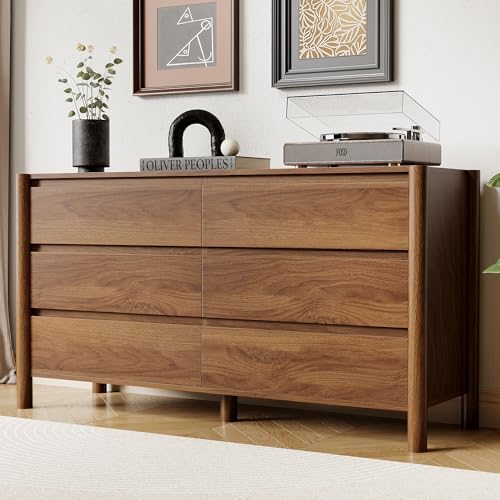
Dark wood dressers bring a sense of depth, warmth, and permanence that lighter finishes rarely match. A dark brown dresser or dark wood dresser serves as a grounding visual anchor in a bedroom, balancing light walls and airy textiles while adding a layer of quiet sophistication.
Beyond aesthetics, dark wood finishes are notably forgiving in daily use. Mid-tone and deep finishes conceal minor scuffs, fingerprints, and the natural patina that develops over years of handling — an advantage over white or pale finishes that show every mark. This makes dark wood an especially practical choice for busy households, guest rooms, and primary bedrooms alike.
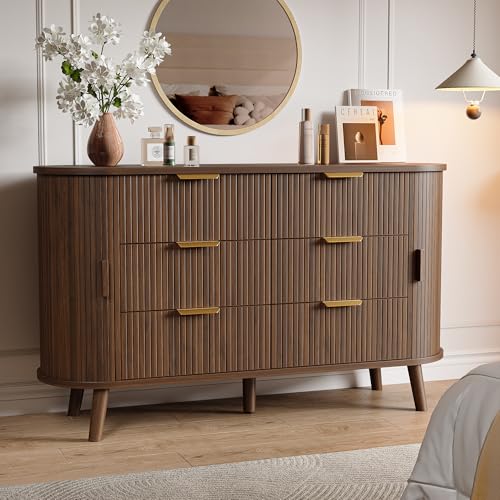
Dark wood also pairs exceptionally well with metallic hardware. A dark wood dresser with gold hardware creates an elegant contrast that reads as deliberate and premium, while matte black pulls give the same piece a more modern, architectural character.
Dark Wood Species: Oak, Walnut, and Beyond
The wood species determines not only the look of your dresser but also its hardness, weight, and long-term behavior. Here is how the most common dark wood options compare.
| Wood Species | Grain Character | Durability | Market Position | Best For |
|---|---|---|---|---|
| Dark Oak | Open, prominent grain; rustic and textured | Very high hardness; resists dents well | Mid-range to premium | Farmhouse, rustic, and traditional bedrooms |
| Dark Walnut | Tight, refined grain with chocolate undertones | High; softer than oak but stable | Premium to luxury | Modern, mid-century, and formal interiors |
| Mahogany | Rich reddish-brown; smooth, closed grain | High; excellent dimensional stability | Premium to luxury | Classic and traditional bedroom suites |
| Dark-Stained Pine | Knotty, informal grain | Moderate; softer wood prone to dents | Entry-level to mid-range | Rustic and cottage-style rooms |
| Engineered Dark Wood | Consistent veneer; uniform appearance | Moderate to high depending on core | Entry-level to mid-range | Modern apartments and humidity-variable spaces |
Practical takeaway: If you want a heritage piece that can be refinished and passed down, solid dark oak or walnut is the strongest long-term investment. If you need a stable, uniform finish in a climate-controlled apartment, a well-constructed engineered dark wood dresser is a sensible, balanced-tier option. For more on matching wood tones across your room, see our guide to dark oak furniture.
Styles and Design Directions
Modern and Contemporary
Contemporary dark wood dressers favor clean lines, flat drawer fronts, and minimal or integrated hardware. A contemporary dresser and nightstand set in dark wood creates a cohesive, uncluttered bedroom that feels intentional. Look for tapered or recessed legs to keep the silhouette from feeling heavy.
Mid-Century and Danish
Walnut is the defining wood of mid-century design. A Danish dresser in dark walnut with tapered legs and slim profile drawers is a classic that sits comfortably in both vintage and modern interiors. These pieces often feature subtle brass or wood pulls that complement the warm grain.
Classic and Traditional
For a more formal bedroom, a classic dresser in dark mahogany or walnut with decorative hardware, framed drawer fronts, and a coordinating mirror delivers timeless presence. Pairing a dark brown dresser with mirror adds vertical interest and makes the piece functional as a grooming station.
Rustic and Farmhouse
Dark-stained oak and reclaimed-wood dressers bring texture and warmth to farmhouse and rustic bedrooms. These pieces often feature visible knots, distressed edges, and matte finishes. They work well alongside dark wood changing table with drawers pieces in nursery settings where durability matters.
Sizing and Room Planning
Size is where most dresser purchases go wrong. Before comparing styles, measure your available wall space, the clearance needed for drawers to open fully, and the walking path around the piece.
- Compact rooms: A compact dresser or small dresser in dark wood keeps floor space open while still providing essential storage. Aim for a footprint under roughly four feet in width.
- Corner placements: A corner dresser or corner chest of drawers for bedroom maximizes awkward spaces that standard rectangular pieces cannot use.
- Tall, narrow rooms: A tall dresser or tallboy chest uses vertical space and suits rooms with limited wall length.
- Shared bedrooms: A couples dresser or a wide nine-drawer model provides balanced storage for two people. A dark wood dresser and nightstand set unifies the room visually.
- Dual-purpose pieces: If your bedroom also serves as a workspace, a desk and dresser combo in dark wood consolidates function and saves space.
Measuring tip: Leave at least 24 inches of clearance in front of the dresser for comfortable drawer access, and confirm that the drawer fronts do not collide with a door swing, closet opening, or bed frame. Check product dimensions in the specifications — not the marketing images — before ordering.
Construction Quality: What Separates Tiers
The visual finish of a dark wood dresser tells you very little about how it is built. Focus on these five components:
- Drawer joinery: Dovetail joints signal a higher-quality build and last decades. Stapled or nailed construction belongs to entry-level pieces and is more prone to loosening over time.
- Drawer glides: Metal ball-bearing slides offer smooth, quiet operation and support heavier loads. Basic wood-on-wood or plastic runners are common in entry-level dressers and may require periodic waxing.
- Case construction: Solid wood or high-grade plywood cases resist warping far better than particleboard. For dark wood finishes, veneer over a stable engineered core is a legitimate premium technique when the veneer is thick and properly applied.
- Finish durability: Catalyzed lacquer, conversion varnish, and oil-based polyurethane finishes hold up better against moisture and daily wear than thin water-based finishes.
- Safety hardware: Anti-tip straps are essential for any tall dresser, and they are non-negotiable in households with children. All dressers should be anchored to the wall regardless of height.
Tier guidance: Entry-level dark wood dressers typically use stapled drawer boxes and basic glides. Mid-range models upgrade to dovetail joinery and ball-bearing slides. Premium and luxury tiers offer full-extension soft-close glides, solid wood drawer boxes, and hand-finished surfaces. If longevity is your priority, target the mid-range tier at minimum — the jump in drawer mechanics alone is usually noticeable within the first year of use.
Hardware and Accent Pairing
Hardware is the fastest way to change the character of a dark wood dresser without altering the wood itself. Consider these pairings:
- Gold and brass: Warm metallics lift dark walnut and mahogany, creating a refined contrast. See our overview of the dark brown dresser with gold hardware for reference.
- Matte black: Creates an architectural, modern look; ideal for contemporary and industrial interiors.
- Wood pulls: Maintains a natural, Scandinavian feel; common on Danish dresser designs.
- Glass and acrylic: Lightens the visual weight of a dark piece and suits glam or minimalist rooms.
If you plan to swap hardware later, confirm that the drawer pull spacing is standard. Mixing a dark wood dresser with gold hardware alongside brushed nickel elements elsewhere in the room can work, but keep the dominant metal consistent to avoid visual noise.
Caring for a Dark Wood Finish
Dark finishes hide wear well, but they are not maintenance-free. Dust weekly with a microfiber cloth rather than a damp rag, and use a wood-safe polish only as needed — over-application attracts dust. Keep the dresser out of direct, prolonged sunlight to slow color shift, and maintain indoor humidity in a stable range to prevent drawer binding and veneer lifting. For scratches, tinted wax sticks matched to the finish are more effective than clear products on dark woods. Our guide to dark oak furniture care covers species-specific maintenance in more detail.
Coordinating Your Bedroom Set
A single dresser rarely stands alone in a well-planned bedroom. Matching finishes across pieces — even if the styles differ — creates coherence.
- Dark dresser and nightstand set — a unified solution for primary bedrooms.
- Dark brown dresser and nightstand — a warmer, classic pairing for traditional rooms.
- Dark gray dresser and nightstand — a cooler-toned alternative that reads modern.
- Dark wood dresser and nightstand set — the most versatile option for wood-grain lovers.
- Dark wood wardrobe with drawers — extends storage when a dresser alone is not enough.
Frequently Asked Questions
What is the difference between dark oak and dark walnut dressers?
Dark oak dressers feature a dense, open grain with a robust, rustic character and excellent durability. Dark walnut dressers display a tighter, more refined grain with rich chocolate and purple undertones, offering a sophisticated, luxury-tier appearance. Both are premium hardwood options, but walnut is generally softer and more formal, while oak is harder and more textured.
How do I style a dark wood dresser in a small bedroom?
In a small bedroom, choose a compact or tall dark wood dresser to maximize vertical storage without consuming floor space. Pair it with light-colored walls, a large mirror above the dresser, and light-toned bedding to balance the visual weight of dark wood. A dark dresser with gold hardware can serve as a deliberate focal point.
Are dark wood dressers suitable for modern bedroom styles?
Yes. Contemporary and modern dressers frequently use dark wood finishes with clean lines, minimal hardware, and tapered legs. A dark wood dresser with gold hardware or a mid-century dark walnut dresser blends seamlessly into modern, transitional, and Scandinavian-inspired interiors.
How many drawers should a dark wood dresser have for a couple?
For a couple sharing a bedroom, a wide dark wood dresser with six to nine drawers offers balanced storage for two people. Alternatively, a couples dresser with split drawer layouts or a dark wood dresser and nightstand set provides dedicated space for each person while maintaining a cohesive bedroom design.
What should I check before buying a dark wood dresser online?
Verify the wood species or veneer construction, drawer joinery (dovetail is preferred over stapled), drawer glide type (ball-bearing or metal roller), finish durability, and anti-tip safety hardware. Also confirm dimensions against your room layout, and review return policies and assembly requirements before ordering.
Ready to Choose Your Dark Wood Dresser?
You now have the framework to evaluate construction, size, style, and hardware with confidence. Explore our curated selection of dark wood dressers and storage pieces below.
Explore Recommended Options