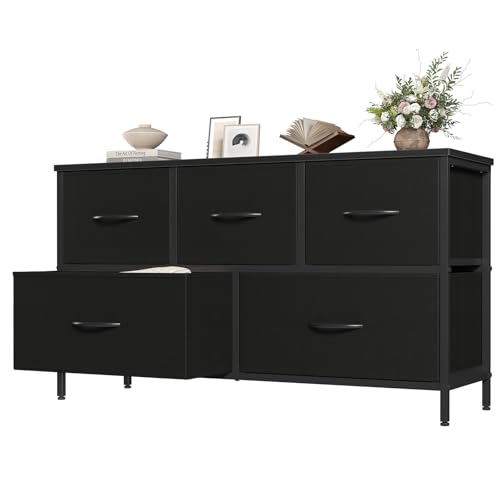
Clothes Drawer: The Complete Guide to Smarter Bedroom Storage
Everything you need to know about clothes drawers — from choosing the right depth and material to organizing every fold, divider, and seasonal swap. Make your bedroom storage work harder for you.
Explore the Buying GuideWhy the clothes drawer matters: A well-designed drawer system is the quiet engine of an organized bedroom. It protects garments, speeds up your morning routine, and keeps clutter out of sight. This guide breaks down drawer construction, tier expectations, organization systems, and the practical measurements that help you choose with confidence.
What Exactly Is a Clothes Drawer?
A clothes drawer is a sliding storage compartment built into a dresser, chest, or wardrobe, designed specifically for folded garments, undergarments, accessories, and small personal items. Unlike open shelving, a drawer encloses its contents — protecting fabric from dust, light, and everyday wear — while keeping the bedroom visually calm.
The term is sometimes used loosely. A clothes drawer usually refers to the compartment itself, while a clothes dresser describes the full furniture piece containing multiple drawers. Understanding the distinction helps when you shop: you may be replacing a single drawer box, buying an entire dresser, or adding modular storage.
Modern clothes drawers fall into a few broad categories based on where they live in the home:
- Bedroom dresser drawers — the most common setup, typically 5 to 9 drawers across two to three columns.
- Closet drawers — built into closet systems or freestanding closet units, often shallower for folded tops and accessories.
- Wardrobe and armoire drawers — interior drawers inside tall cabinets, ideal for small spaces.
- Under-bed and bench drawers — low-profile compartments for seasonal or bulky items.
Whatever the configuration, the goal is the same: create dedicated, protected zones for clothing so that every item has a home. If you are still mapping out your bedroom's storage plan, our guide to clothes drawer storage covers how to allocate space across categories.
Why a Well-Planned Clothes Drawer Matters
Storage furniture is not just about volume — it is about how efficiently that volume works. A drawer that is too deep hides items at the back; one that is too shallow cannot hold a folded sweater. A poorly fitted drawer wastes inches, while a well-designed one multiplies usable space.
Three practical benefits stand out:
- Garment protection: Enclosed drawers shield clothing from dust and direct sunlight, which slows fabric fading and reduces how often you need to launder lightly worn items.
- Faster routines: When categories are separated and visible, you spend less time searching and more time getting ready.
- Visual calm: Concealed storage keeps the bedroom tidy, which matters in small rooms where clutter visually shrinks the space.
Drawers also support better decision-making. When you can see your clothing clearly, you buy less duplicate items and notice gaps in your wardrobe sooner. That is one reason organization and storage planning belong together. If your bedroom is compact, our article on compact dresser options shows how to fit meaningful drawer capacity into a limited footprint.
Clothes Drawer Types and Configurations
Before comparing materials and construction, it helps to know the main drawer configurations. Each suits a different storage need and room layout.
1. Standard Dresser Drawers
The workhorse of bedroom storage. Standard dresser drawers typically range from 5 to 8 inches deep, 24 to 36 inches wide, and around 15 to 18 inches front to back. They handle folded shirts, jeans, knitwear, and loungewear. A three-column dresser with varying drawer heights — shallow on top, deep below — is the most flexible layout.
2. Shallow Accessory Drawers
These are usually 3 to 5 inches deep and often divided internally. They suit undergarments, socks, ties, belts, and jewelry. Many dressers include one or two shallow top drawers, which is one reason the top row stays the most-used zone.
3. Deep and Extra-Deep Drawers
Deep drawers of 9 inches or more hold bulky knitwear, jeans stacks, bedding, and seasonal clothing. They are efficient for volume but need internal organization to avoid becoming a pile. Pair them with clothes drawer dividers to keep categories distinct.
4. Closet and Wardrobe Drawers
Built-in closet drawers maximize vertical space and keep clothing in one zone. A closet dresser combines drawer storage with hanging space, while a closet dresser drawers setup focuses on drawer-only capacity inside the closet. These are excellent for small bedrooms that cannot fit a freestanding dresser.
5. Specialized and Modular Drawers
Modular and custom drawer systems let you size drawers to your clothing. You can also find drawer inserts that convert a deep drawer into two shallow tiers. For households that need flexibility, modular inserts are a smart middle path between off-the-shelf and fully custom furniture.
If you are comparing the drawer-only format against a full dresser, our breakdown of dresser vs chest of drawers explains when each layout makes more sense. And if your storage needs extend beyond clothing, a combo dresser can integrate drawers with other functions.
Clothes Drawer Buying Guide: What to Check Before You Buy
Most shoppers arrive already knowing they need more drawer space. The real question is which drawer specification fits their clothing, room, and long-term expectations. Use the checklist below to evaluate any candidate.
Measure the Space, Then Measure Again
Measure the available floor width, the height to any wall fixture or window sill, and the depth clearance for drawers to open fully. Add at least 24 inches of open floor space in front of the dresser if the room allows. For tight rooms, a corner dresser or narrow dresser can reclaim dead space.
Match Drawer Depth to Clothing
Shallow drawers suit folded tops and accessories; deep drawers suit knitwear and jeans. A mix is usually better than a uniform stack. Consider your actual folding style — if you fold bulky sweaters, a 5-inch drawer will frustrate you.
Check Drawer Slides and Glides
Drawer hardware determines daily feel. Wood-on-wood glides are common in entry-level pieces; ball-bearing side slides are typical of mid-range furniture; undermount soft-close slides appear in premium and luxury tiers. Test the drawer in person if possible — a loaded drawer should glide smoothly without wobble.
Inspect Joinery and Interior Finish
Dovetail joints signal durable construction. Stapled or glued butt joints are common in starter-tier furniture and can be adequate for light use, but they are less resistant to heavy loads over time. Also check that the drawer interior is sanded and sealed — rough interiors snag delicate fabrics.
Confirm Safety Features
Look for drawer stops that prevent accidental pull-out, and an anti-tip kit for the dresser itself. This is especially important in homes with children. Anchoring furniture to the wall is a standard safety practice and should be part of installation.
Plan for Organization Accessories
Drawer dimensions affect which organizers fit. A standard 24-inch-wide drawer accepts most modular dividers, while narrow drawers may need custom inserts. If organization is a priority, check our guide to clothing drawer organizer systems before finalizing your drawer size.
For a broader framework that covers size, material, and style together, see our complete dresser buying guide. Readers comparing specific formats may also find our guide to dresser size measurements useful.
Quality Tiers: Setting Realistic Expectations
Clothes drawers vary widely in build quality. Instead of thinking in absolute terms, it helps to map products to quality tiers. Each tier represents a relative position in the market and a distinct set of trade-offs.
Starter Tier
Engineered wood with basic glides and simpler joinery. Suitable for guest rooms, starter apartments, and light daily use. Expect functional storage and a straightforward finish rather than refined hardware.
Balanced Tier
Solid wood or reinforced plywood construction, ball-bearing or soft-close slides, and better interior finishing. This tier typically offers the smoothest everyday experience for the investment.
Top-Tier
Dovetail joinery, undermount soft-close hardware, premium veneers or solid hardwood, and meticulous interior detailing. Designed as a long-term investment and built to handle heavy, frequent use.
Mid-range models usually offer smoother drawer mechanisms than entry-level pieces, while top-tier construction adds joinery and hardware that can last for decades. Match the tier to how intensively the drawer will be used: a guest room may only need starter-tier durability, while a primary bedroom benefits from balanced or top-tier construction.
| Tier | Typical Construction | Hardware | Best For |
|---|---|---|---|
| Starter tier | Engineered wood, basic joinery | Wood-on-wood or basic side slides | Guest rooms, light use, starter apartments |
| Balanced tier | Solid wood or reinforced plywood | Ball-bearing or soft-close side slides | Primary bedrooms, daily use, families |
| Top-tier | Hardwood with dovetail joints | Undermount soft-close systems | Long-term investment, heavy daily use |
How to Read the Tiers
Tiers describe relative market position and construction expectations — not absolute quality judgments. A well-built balanced-tier drawer can outperform a poorly finished top-tier product. Always inspect hardware, joinery, and interior finish rather than relying on tier labels alone.
How to Organize a Clothes Drawer Like a Pro
Even a well-built drawer becomes a clutter trap without a system. The following approach works for dressers, closets, and wardrobe drawers alike.
1. Empty, Sort, and Purge
Remove everything, sort by category, and set aside items you have not worn in a year. A decluttered drawer is easier to organize and easier to maintain. If you are planning a larger reset, our declutter bedroom walkthrough covers the full room.
2. Assign Categories to Drawers
Give each drawer a single purpose: undergarments, socks, tops, bottoms, knitwear, or accessories. This prevents crossover clutter and makes restocking automatic after laundry day.
3. Use Dividers and Zones
Dividers create compartments that keep categories separate. They are especially useful in wide drawers where items otherwise slide together. Explore clothes drawer dividers for options that fit standard drawer widths, and pair them with clothes drawer organizers for smaller items.
4. Fold Vertically
The vertical folding method — often called file folding — lets you see every item at a glance. Instead of stacking, fold garments into rectangles and stand them upright. This reduces digging and helps you rotate clothing more evenly.
5. Rotate Seasonally
Move out-of-season clothing to higher or deeper drawers and keep the current season in the most accessible zones. Our guide to seasonal clothing storage explains how to plan the rotation.
6. Protect Delicates
Use drawer liners or breathable fabric bags for delicate items. Avoid storing damp clothing, and keep cedar or lavender sachets in drawers that hold woolens. For jewelry and small valuables, a dedicated jewelry storage insert prevents tangling and loss.
For a deeper dive into drawer-by-drawer systems, read our full dresser organization guide.
Materials and Finishes for Clothes Drawers
Material affects durability, weight, feel, and the drawer's response to humidity. Here is how the main options compare.
Solid Wood
Hardwoods such as oak, maple, and walnut offer the best long-term durability and a premium feel. Solid wood drawers resist wear well when properly finished, though they are heavier and typically appear in mid-range to top-tier furniture.
Plywood
Plywood is dimensionally stable and holds fasteners well. High-grade plywood with reinforced corners is a solid balanced-tier choice, often used for drawer boxes even when the dresser exterior is veneered.
MDF and Particleboard
These engineered woods are common in entry-level furniture. They are uniform and smooth but less resistant to moisture and heavy loads. They can perform well in low-traffic settings when the drawer is not overloaded.
Interior Finish
Look for sealed or lacquered drawer interiors. A smooth, sealed surface prevents splinters and makes cleaning easier. Unfinished interiors can snag knits and absorb odors.
Hardware Finishes
Drawer pulls and knobs affect both usability and style. Metal pulls with a quality finish resist tarnishing; wood knobs suit cottage and farmhouse styles. If you are coordinating a room, our guide to dresser handles covers pull selection in more detail.
For a comparison of construction materials across the whole dresser, see our article on solid wood vs engineered wood.
Typical Clothes Drawer Dimensions
Dimensions vary by manufacturer, but the following ranges represent common clothes drawer interiors. Use them as a starting point, then confirm exact measurements on the product specification sheet.
| Drawer Type | Typical Interior Depth | Typical Width | Best For |
|---|---|---|---|
| Shallow accessory | 3–5 inches | 12–30 inches | Socks, undergarments, accessories |
| Standard clothing | 5–8 inches | 18–36 inches | Folded shirts, jeans, loungewear |
| Deep storage | 9–12 inches | 24–36 inches | Knitwear, bedding, seasonal items |
| Closet drawer | 4–7 inches | 18–30 inches | Closet-based folded storage |
Two practical rules help: avoid drawers deeper than 8 inches unless you plan to use dividers, and keep the top row shallow so you can see contents without bending. For a full measurement framework, visit our dresser size guide.
Choosing Clothes Drawers by Room
Primary Bedroom
A freestanding clothes dresser with a mix of shallow and deep drawers covers most couples' needs. Consider a couples dresser layout with separate columns for each person.
Small Bedrooms and Apartments
Prioritize vertical storage and drawer efficiency. A tall dresser or small dresser can deliver substantial drawer count without a wide footprint. Closet-based drawers are another strong option.
Children's Rooms
Look for drawer stops, rounded edges, and anti-tip anchoring. A children's dresser with lower drawers sized for a child supports independence. For nursery setups, see nursery dressers for safety-focused choices.
Guest Rooms
A three- or four-drawer chest is usually sufficient. Entry-level construction is acceptable for occasional use, provided the drawer glides feel smooth.
Closets
Closet drawers keep clothing in one zone and free up bedroom floor space. Explore closet organization ideas for layouts that combine hanging space, shelves, and drawers.
Common Clothes Drawer Mistakes to Avoid
- Buying by drawer count alone. Six shallow drawers may hold less than four well-sized deep drawers. Compare cubic capacity and depth before deciding.
- Ignoring the open clearance. Drawers need room to slide out. Measure the swing or pull distance, especially in narrow rooms.
- Overloading deep drawers. Heavy contents strain slides and joinery. Distribute weight and use dividers to keep stacks stable.
- Skipping the anti-tip kit. Freestanding dressers should always be anchored. This is a basic safety step, not an optional extra.
- Choosing style before function. A beautiful dresser with stiff drawers will frustrate daily use. Test the mechanism whenever possible.
- Forgetting interior organization. Drawer capacity is only useful if you can access items easily. Plan for dividers from the start.
If you are replacing an older piece, review our guidance on dresser quality to judge whether repair or replacement makes more sense.
Caring for Clothes Drawers
Simple maintenance extends the life of any drawer system:
- Dust and vacuum interiors monthly. Fabric lint builds up quickly in clothing drawers.
- Wipe spills promptly. Moisture is the main enemy of engineered wood and can warp drawer boxes.
- Lubricate metal slides sparingly. A dry silicone lubricant works for most ball-bearing and side slides.
- Avoid overloading. Follow the manufacturer's weight guidance and redistribute heavy items.
- Keep drawers aligned. Tighten screws on pulls and check slides periodically; misalignment causes sticking.
For a broader maintenance routine, read how to clean a dresser.
Frequently Asked Questions
What is the best way to organize a clothes drawer?
Use dividers to create zones, fold garments vertically so every item is visible, assign one category per drawer, and rotate seasonal clothing. Keeping categories separate and labeling zones helps maintain the system over time.
How deep should a clothes drawer be?
Most clothes drawers have an interior depth of 5 to 8 inches. Shallow drawers of 3 to 5 inches suit accessories and folded tops, while 9 to 12 inches suits knitwear and seasonal items. Match depth to your folding style and the bulk of your clothing.
What material is best for clothes drawers?
Solid wood with dovetail joinery offers the best long-term durability. Reinforced plywood is a balanced mid-range choice, while MDF and particleboard suit entry-level and light-use scenarios. Always check that the drawer interior is smooth and sealed.
How many clothes drawers do I need?
A single person typically needs 4 to 6 drawers for year-round clothing; couples usually need 8 to 12. Drawer depth and width matter as much as count, so compare usable capacity rather than counting boxes.
Are soft-close drawer slides worth having?
Soft-close slides reduce noise and prevent slamming, protecting both the drawer and its contents. They are common in mid-range and premium clothes drawers and are especially valuable in shared bedrooms and nurseries.
Can I add dividers to an existing drawer?
Yes. Adjustable dividers, spring-loaded inserts, and modular trays can be fitted into most standard drawers. Measure the interior width, depth, and height first, then choose dividers that match those dimensions.
Ready to Upgrade Your Clothes Drawer Setup?
Compare drawer configurations, materials, and organization features in one place. Browse our curated selection of clothes drawers and dressers to find the right fit for your bedroom.
Explore Recommended Options