Clothing Drawer Organizer: Your Complete Guide to a Clutter-Free Dresser
Transform messy drawers into a neatly arranged system. Discover the best organizer types, folding methods, and layout strategies for every clothing category.
Explore Organizer TypesWhy a clothing drawer organizer matters: A well-organized drawer does more than look tidy — it protects your garments, reduces morning friction, and extends the life of your clothing. Whether you own a compact dresser or a spacious clothes dresser, the right organizer turns chaotic piles into a system you can maintain effortlessly.
Why Clothing Drawer Organization Is Worth the Effort
Most people underestimate how much time they lose digging through disorganized drawers. A structured drawer layout delivers benefits that compound daily:
- Faster mornings: When every item has a visible home, you grab what you need in seconds instead of rummaging through stacks.
- Better garment care: Neatly folded and separated clothing experiences less friction, stretching, and wrinkling than items crushed into a pile.
- More usable space: Vertical folding and dividers can increase a drawer's effective capacity, letting you store more in the same footprint.
- Easier maintenance: A clear system makes it simple to put items back correctly, which keeps the drawer organized between deep cleanings.
If you are working with limited bedroom space, pairing an efficient drawer system with a compact dresser or a corner dresser can free up valuable floor area while keeping clothing accessible.
Types of Clothing Drawer Organizers
Different drawers demand different solutions. Below is a breakdown of the most common organizer categories and where each one performs best.
Drawer Dividers
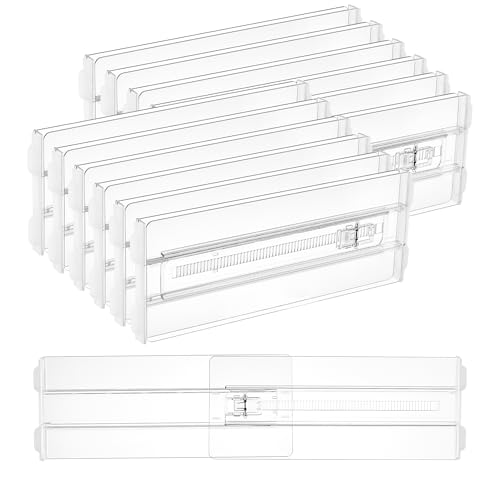
Dividers section a drawer into compartments. Adjustable or spring-loaded models fit most standard drawers without tools, while custom-built dividers offer a permanent, precise layout. They are ideal for separating tops, bottoms, and accessories within a single wide drawer.
Fabric Bins and Baskets
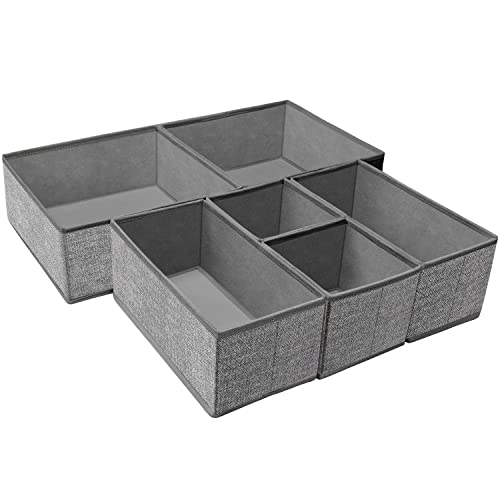
Soft fabric bins group loose items such as socks, underwear, or activewear. They are especially useful in clothes drawer storage setups where you want quick, flexible regrouping. Look for bins with reinforced sides that hold their shape when partially filled.
Honeycomb and Grid Organizers
These compartmentalized inserts are designed for small items. A honeycomb layout keeps socks, ties, and undergarments separated without any folding skill required. They work best in shallow to medium-depth drawers.
Stackable Trays and Tiered Inserts
Stackable trays create two levels of storage in a deep drawer, effectively doubling usable surface area. Use the top tier for frequently accessed items and the bottom tier for seasonal or backup pieces.
Compartmentalized Drawer Inserts
Pre-formed inserts with fixed sections are a good fit for standardized drawer sizes. They are commonly used in bedroom dressers and closet dresser drawers where a consistent, repeatable layout is preferred.
Tip: Measure before you buy
Always measure the interior width, depth, and height of your drawer before selecting an organizer. Interior dimensions rarely match the exterior, and a few centimeters of error can make a divider useless.
Organizer Tiers: Matching Solutions to Your Needs
The table below uses quality tiers to help you compare organizer categories without relying on numeric figures. Match the tier to how intensively you plan to use the drawer.
| Tier | Category | Best For | Key Characteristics |
|---|---|---|---|
| Essential tier | Fabric bins | Casual everyday drawers | Lightweight, flexible, easy to reposition |
| Balanced tier | Adjustable dividers | Mixed clothing categories | Tool-free installation, adaptable layout |
| Mid-tier | Stackable trays | Deep drawers and seasonal storage | Two-level capacity, sturdy construction |
| High-end tier | Custom drawer systems | Built-in wardrobe integration | Precision fit, premium materials, permanent |
| Top-tier | Modular organizer sets | High-frequency use, larger collections | Feature-rich for the category, durable, expandable |
For most households, a combination of balanced-tier adjustable dividers and essential-tier fabric bins delivers strong results without overcomplicating the drawer layout. Households with larger wardrobes often benefit from mid-tier stackable trays to handle volume.
Folding Techniques That Maximize Drawer Space
Organizers only reach their potential when paired with smart folding. The right technique depends on garment type and drawer depth.
- File folding: Fold garments into flat rectangles and stand them upright like files. This lets you see every item at a glance and removes the need to dig through stacks.
- KonMari-style vertical folding: Fold each item into a compact packet that stands on its edge. It pairs beautifully with clothes drawer dividers because each packet occupies a defined slot.
- Ranger rolling: Best for activewear and travel-ready items. Rolled items compress efficiently and fit neatly into small bins or honeycomb sections.
- Folded stacks for bulky items: Sweaters and bulky knits are better flat-folded in short stacks rather than file-folded, since their weight can distort vertical packets.
Whichever method you choose, consistency matters more than perfection. When every drawer uses the same folding logic, restocking becomes automatic.
Organizing Each Clothing Category
Tops and T-Shirts
File fold or vertically fold tops into a medium-depth drawer. Keep them in a single row or two rows divided by a low divider. Avoid piling more than one layer, which hides items and crushes the layer below.
Bottoms: Pants, Jeans, and Shorts
Jeans and trousers are heavy, so use a deeper drawer or a dedicated section. Fold them flat and stack no more than three high, or file fold with a sturdy divider supporting each packet. Heavier garments also benefit from a deep drawer dresser configuration.
Socks and Undergarments
Small items are the classic use case for honeycomb or grid organizers. Group by type, then by color for quick matching. A shallow top drawer is often the most ergonomic location.
Activewear
Roll or compact-fold activewear into fabric bins. Since these garments are flexible and quick-drying, compression is acceptable and even beneficial for saving space.
Sleepwear
Sleepwear deserves its own section so it does not mix with daywear. A simple divider or dedicated bin keeps pajamas and loungewear reachable for evening routines.
Organizing in Small Spaces and Apartments
Limited floor space does not mean limited storage. Apartment dwellers and shared rooms benefit from strategies that squeeze capacity from every drawer:
- Use vertical space: Stackable trays in deep drawers effectively create a second floor of storage.
- Choose multi-purpose furniture: A closet dresser or a closet organization system can absorb clothing storage that would otherwise occupy bedroom floor space.
- Repurpose awkward furniture: A corner dresser with drawers slots into unused room angles, and a deep chest of drawers can replace multiple shallow units.
- Keep a rotation: Store off-season clothing elsewhere and keep only current-season items in the bedroom drawers. This reduces volume and makes the organizer layout easier to maintain.
Keeping Your Drawer System Organized Long-Term
Organization is not a one-time project. A few small habits keep the system functional:
- Weekly reset: Spend five minutes refolding anything that has slipped out of its compartment.
- Seasonal audit: At each season change, review every drawer, remove items you did not wear, and adjust dividers for the new rotation.
- One-in, one-out: When adding new clothing, remove an equivalent item from the drawer to prevent gradual overflow.
- Clean the drawer surface: Wipe drawer interiors periodically to prevent dust buildup, which can transfer onto folded garments.
If you notice drawers becoming harder to close or items no longer fitting their compartments, it is a signal to audit rather than force. A quick reset restores both function and visibility.
Common Mistakes to Avoid
- Overfilling compartments: A drawer packed to the top cannot close smoothly and damages both the organizer and the garments. Leave a small margin in each section.
- Ignoring drawer depth: Shallow drawers need low-profile inserts; forcing a tall organizer into a shallow drawer wastes the space above it.
- Mixing categories in one section: A compartment containing socks and t-shirts quickly becomes a jumble. One section, one category.
- Skipping the measure step: Unmeasured organizers that do not fit properly slide around and defeat the purpose.
- Choosing style over function: A visually pleasing organizer that does not match your folding style will be abandoned within weeks. Match the organizer to your actual habits.
Ready to Transform Your Drawers?
Explore our recommended clothing drawer organizers and storage solutions to build a system that works for your daily routine.
View Recommended OrganizersFrequently Asked Questions
What is the best clothing drawer organizer for small drawers?
For small drawers, adjustable dividers and shallow fabric bins work best. Measure your drawer interior first, then choose modular dividers that can be trimmed to fit. Honeycomb or grid organizers are excellent for socks and underwear in compact spaces.
How do I organize clothes in a deep drawer?
Deep drawers benefit from vertical stacking or tiered organizers. Use stackable bins, file-fold clothing upright, and add a second layer of shallow trays on top. This prevents items from getting lost at the bottom and keeps everything visible.
Should I use drawer dividers or bins?
Dividers are ideal for separating categories within one drawer, while bins work better for grouping loose items like socks or accessories. Many people combine both: dividers for the main layout and small bins inside sections for granular organization.
How often should I reorganize my clothing drawers?
A quick weekly tidy keeps drawers functional, while a full reorganization each season helps rotate clothing and remove items you no longer wear. Seasonal swaps also let you adjust the organizer layout for different garment types.