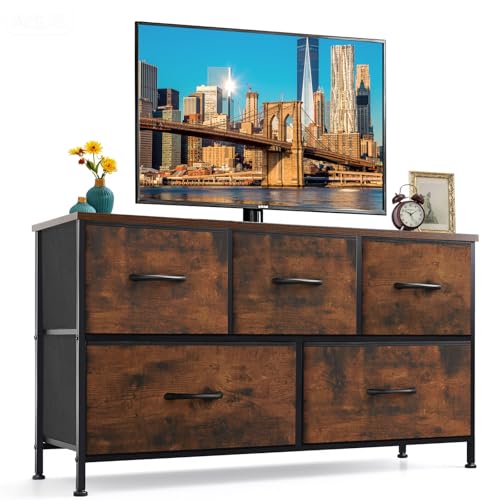
Combination Dresser and TV Stand
One piece of furniture, two essential functions. Learn how a dresser with an integrated TV stand can free up floor space, streamline your bedroom layout, and keep entertainment and clothing storage perfectly organized.
START THE GUIDEWhy a combination unit makes sense: Bedrooms are often the most space-constrained rooms in a home. A combination dresser and TV stand consolidates your clothing storage and entertainment setup into a single footprint, reducing visual clutter and giving you more usable floor area. This guide walks you through every decision point so you can choose a unit that fits your room, your viewing habits, and your storage needs.
What Is a Combination Dresser and TV Stand?
A combination dresser and TV stand is a dual-purpose furniture piece designed with two goals in mind. The lower portion provides traditional drawer storage for clothing, linens, and accessories, while the top surface is engineered to support a television. Unlike a standard combo dresser that focuses purely on drawer configurations, these units add a wider, flatter top and often include cable management features and reinforced construction to handle the weight of a screen.
This category sits at the intersection of bedroom storage and entertainment furniture. It is ideal for primary bedrooms, guest rooms, studio apartments, and dorm spaces where a dedicated media console would consume too much floor area. Many models also include open shelving or a media niche for streaming devices, gaming consoles, or soundbars.
Key Benefits of a Dresser With TV Stand
- Space efficiency: Combining two furniture pieces into one frees up wall and floor space, which is especially valuable in smaller bedrooms.
- Visual cohesion: A single well-designed unit looks more intentional than a mismatched dresser and separate TV stand placed side by side.
- Improved cable management: Purpose-built media dressers often include rear cutouts and channels that keep power cords and HDMI cables out of sight.
- Better viewing height: Dresser heights typically place a TV at a comfortable viewing angle for beds of standard height, reducing neck strain.
- Storage and entertainment in one zone: Everything you need for getting dressed and relaxing is within arm's reach, which simplifies daily routines.
Types of Combination Dresser and TV Stand Units
Not all media dressers are built the same way. Understanding the main configurations helps you match a unit to your room layout and viewing habits.
1. Standard Wide Dresser With Flat Top
The most common configuration: a wide dresser with six to nine drawers and a continuous flat top surface. These work best when the TV is placed directly on the dresser top or mounted on a wall just above it. Look for models with a depth of at least 18 inches to ensure stable TV footing.
2. Media Dresser With Open Shelf Niche
These units include a dedicated open compartment, usually centered or offset, sized to hold a cable box, streaming stick, or game console. The remaining drawers handle clothing storage. This style is practical for renters who cannot wall-mount a TV and want components visible but tidy.
3. Corner Combination Unit
A corner-friendly design angles the TV toward the bed while using otherwise dead corner space. These are particularly useful in small bedrooms where a flat wall is unavailable. Pair with a corner dresser layout mindset when planning the room.
4. Low-Profile Media Dresser
Lower units with wider drawers and a longer top surface. These suit bedrooms where the bed is positioned higher or where a sleeker, contemporary look is desired. They often double as a credenza dresser in multi-use rooms.
Buying Guide: What to Check Before You Choose
Measure Your TV and Your Room First
Before shopping, measure the width, depth, and weight of your television. Then measure the available wall space in your bedroom. A general rule is that the dresser top should be wider than the TV base by at least a few inches on each side for stability. Also confirm that the dresser height places the center of the screen at or slightly below eye level when you are sitting up in bed.
Weight Capacity and Construction
Televisions are heavier than they look, especially larger models. Check the manufacturer's stated weight capacity for the top surface. Units built with solid wood frames, reinforced corner joints, and a thick top panel handle TV weight far better than thin engineered wood with minimal bracing. If you plan to place a soundbar or console on top as well, factor that weight in.
Drawer Quality and Glide Mechanism
Since the dresser portion will see daily use, pay close attention to drawer glides. Mid-range and premium units typically use metal ball-bearing slides that open smoothly and support heavier loads. Entry-level units may use nylon or simple wood-on-wood runners, which are acceptable for light use but wear faster. Dovetail drawer joints signal sturdier construction than stapled or nailed boxes.
Cable Management Features
Look for rear cutouts, grommets, or a recessed channel along the back panel. These details make it much easier to route power cords, HDMI cables, and antenna lines without drilling into the furniture yourself. Some units include a dedicated shelf for a power strip, which keeps everything organized and accessible.
Style and Finish Coordination
A combination unit is a focal point in the bedroom, so its style should align with your existing decor. Modern and contemporary rooms pair well with clean-lined units in matte finishes. Traditional bedrooms suit wood tones like dark walnut or painted finishes with classic hardware. If your room leans coastal or cottage, consider a coastal dresser style with lighter finishes and relaxed detailing.
Comparison by Tier and Best Use
| Tier | Typical Construction | Best For | Drawer Glides |
|---|---|---|---|
| Entry-level | Engineered wood with laminate finish | Guest rooms, dorm spaces, light daily use | Nylon or basic metal slides |
| Mid-range | Engineered wood core with solid wood top and reinforced joints | Primary bedrooms, daily use with moderate TV sizes | Metal ball-bearing slides |
| Premium | Solid wood frame, dovetail drawers, thick top panel | Large TVs, long-term use, design-focused rooms | Full-extension ball-bearing slides |
| Luxury | Hardwood construction, hand-finished details, custom hardware | Statement bedrooms, oversized media setups | Soft-close full-extension slides |
Pre-Purchase Checklist
- Measure your TV's width, depth, and weight, then compare against the dresser's top dimensions and weight rating.
- Confirm the dresser height places the screen at a comfortable viewing angle from your bed.
- Check for rear cable cutouts, grommets, or a cable channel.
- Verify drawer glide type and drawer box construction (dovetail vs. stapled).
- Ensure the unit has a tip-over restraint kit, especially if children or pets share the room.
- Decide whether you need open shelving for media components or prefer all-drawer storage.
- Confirm the finish and hardware match your existing bedroom furniture and decor.
- Plan the cable route from the TV to the nearest outlet before assembly.
Setup and Placement Tips
Placement matters as much as the unit itself. Position the dresser so the TV screen faces the bed directly rather than at an angle, which reduces glare and neck strain. Leave at least a few inches of clearance behind the unit for cable routing and ventilation. If the dresser is tall and the TV sits on top, secure the TV with an anti-tip strap or mount it to the wall just above the dresser for maximum safety.
For cable management, run cords down the back of the dresser using adhesive cable clips, then bundle excess wiring with hook-and-loop straps. A cable management box behind the unit keeps power strips and adapters out of sight. If you use a streaming device, confirm the open shelf or top surface has enough ventilation clearance.
Matching the Unit to Your Bedroom Style
A media dresser should feel like part of the room rather than an afterthought. In modern bedrooms, a contemporary dresser and nightstand set creates a cohesive look with clean lines and matching finishes. If you prefer a warmer, more traditional feel, a classic dresser silhouette with framed drawer fronts and subtle molding works well. For rooms with a lighter palette, a cream dresser or white finish keeps the space bright and airy while still providing the wide top surface needed for a TV.
If your bedroom doubles as a workspace, consider how the unit interacts with other furniture. A desk and dresser combo can create a dedicated work zone, while a media dresser anchors the entertainment side of the room. Keep pathways clear and avoid placing the TV directly in front of a window to reduce glare.
Common Mistakes to Avoid
- Buying before measuring: A dresser that is too narrow for your TV or too tall for your bed height creates daily discomfort.
- Ignoring weight limits: Placing a heavy TV on a lightweight unit risks sagging, instability, and tip-over accidents.
- Skipping the anti-tip kit: Any dresser tall enough to hold a TV should be anchored to the wall, especially in homes with children.
- Overlooking cable management: Without planned routing, cords become tangled and visible, undermining the clean look you wanted.
- Choosing style over storage: A beautiful unit with too few or too-small drawers will leave clothing piles on the floor.
Frequently Asked Questions
Can any dresser be used as a TV stand?
Technically, many dressers can support a TV, but a purpose-built combination unit offers a wider top, better weight distribution, and cable management features. Standard dressers may have decorative tops, rounded edges, or insufficient depth for stable TV placement. Always check the manufacturer's weight rating before placing a television on any dresser.
What is the ideal height for a dresser TV stand?
The ideal height depends on your bed height. For most standard beds, a dresser between 28 and 34 inches tall places the TV at a comfortable viewing angle. If your bed is taller or you sit up frequently, a slightly higher unit may work better. Measure from the floor to your eye level while sitting in bed to determine the best screen center height.
How do I keep the TV stable on a dresser?
Use the TV's own stand or legs and ensure they sit fully on the dresser top with clearance on all sides. If the dresser has a lip or raised edge, use a non-slip mat under the TV base. For larger screens, attach an anti-tip strap to the TV and the wall or to the dresser frame. Anchoring the dresser itself to the wall is the most important safety step.
Can I wall-mount a TV above a combination dresser?
Yes. Wall-mounting above the dresser frees up the top surface for decor and keeps the TV at a custom height. Choose a wall mount rated for your TV's weight and size, and secure it into wall studs. Leave enough clearance between the bottom of the TV and the dresser top so you can still access items stored there.
What should I look for in drawer construction for a media dresser?
Look for dovetail joints on drawer boxes, metal ball-bearing glides, and a solid bottom panel. These features indicate a unit built to handle daily opening and closing without sagging or sticking. Drawers that slide smoothly under load are especially important when the dresser also serves as a media hub with cables running nearby.
Ready to Choose Your Combination Unit?
Use the buying guide above to narrow down the right size, tier, and style for your bedroom. Then explore our recommended options below to find a unit that matches your space and storage needs.
VIEW RECOMMENDED OPTIONS