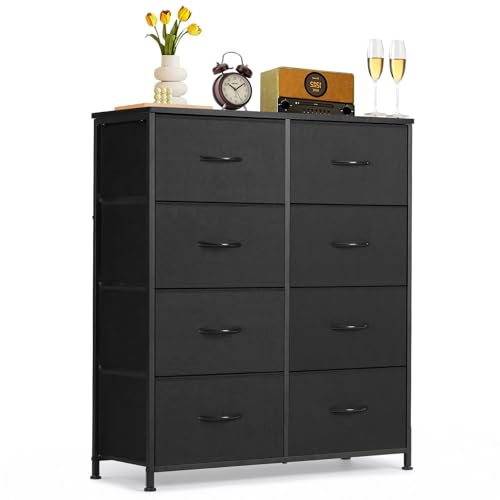
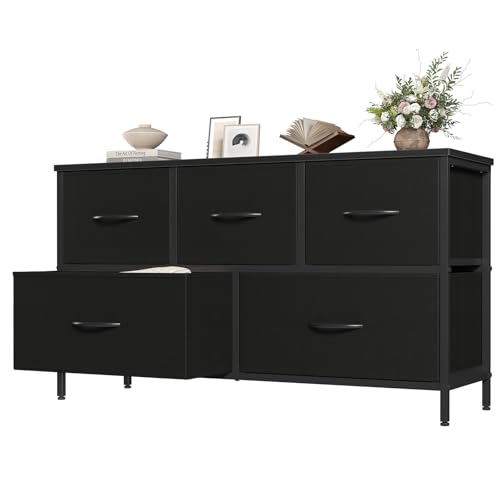
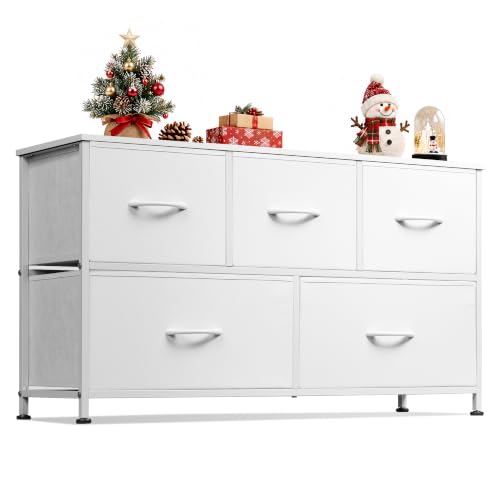
Closet Dresser: The Smart Storage Solution for Your Wardrobe
Transform your closet into a perfectly organized space with a closet dresser. Learn how drawer systems, island dressers, and smart organization can maximize every inch of your wardrobe.
EXPLORE CLOSET DRESSERSWhy a closet dresser? A closet dresser bridges the gap between hanging space and folded storage. Whether you have a walk-in wardrobe or a compact reach-in closet, integrating a dresser into your closet design keeps clothing, accessories, and essentials accessible and beautifully organized. This guide covers everything you need to know before choosing one.
Why Add a Dresser to Your Closet?
Most closets are designed around hanging rods, leaving folded items, delicates, and accessories without a dedicated home. A closet dresser solves this by introducing structured drawer storage directly into your wardrobe space. Here are the key benefits:
Maximize Vertical Space
Closet dressers use the vertical footprint of your wardrobe efficiently, stacking drawers where hanging rods end. This is especially valuable in walk-in closets with high ceilings.
Centralize Your Wardrobe
Keep everything in one place — folded clothes, undergarments, accessories, and even jewelry. No more walking between a bedroom dresser and a separate closet.
Improve Organization
Dedicated drawers encourage categorization. Use clothes drawer dividers and clothing drawer organizers to keep everything neatly separated and easy to find.
Hide Clutter Beautifully
Closed drawers conceal everyday items, keeping your closet looking tidy and streamlined. This is ideal for open-concept wardrobe systems where everything is visible.
Adapt to Any Closet Size
From compact dressers for reach-in closets to closet island dressers for spacious walk-ins, there is a configuration for every layout.
Increase Property Value
A well-designed closet with integrated storage is a desirable feature. A built-in closet dresser adds functional appeal that buyers appreciate.
Types of Closet Dressers and How to Choose
Closet dressers come in several configurations, each suited to different closet sizes and storage needs. Use the comparison table below to match a type to your space:
| Type | Best For | Key Features |
|---|---|---|
| Built-In Closet Dresser | Permanent closet systems and custom wardrobes | Integrated into the closet cabinetry; maximizes floor-to-ceiling efficiency; professional-grade installation recommended |
| Freestanding Closet Dresser | Renters and flexible layouts | Portable; can be repositioned; available in entry-level to premium tiers; pairs well with closet organizer chest of drawers |
| Closet Island Dresser | Large walk-in closets | Freestanding center island with drawers on both sides; luxury tier; ideal for accessory and jewelry storage |
| Stackable Drawer Units | Small closets and apartments | Modular design; can be stacked or placed side by side; essential tier option for tight spaces |
| Closet Dresser Drawers (Open-Front) | Modern closets with visible storage | Open or glass-front drawers for easy visibility; mid-range to high-end tier; suits curated wardrobe displays |
When selecting a type, measure your closet depth and height carefully. A standard closet depth of 24 inches accommodates most freestanding dressers, while custom built-ins can be tailored to any dimension. For narrow spaces, consider a closet dresser drawers unit that fits beneath a hanging rod.
Materials and Construction Quality
The durability of your closet dresser depends heavily on its construction. Here is a tier-based overview to help you evaluate options:
- Entry-level tier: Engineered wood with laminate finish. Suitable for light use and rental spaces, but may show wear over time.
- Mid-range tier: Plywood construction with solid wood drawer fronts. Offers a balance of durability and design flexibility for most households.
- High-end tier: Solid wood (oak, maple, or walnut) with dovetail joinery. Heavy-duty drawer glides and reinforced frames ensure long-term performance.
- Luxury tier: Custom-built cabinetry with premium hardware, soft-close mechanisms, and hand-finished details. A worthwhile long-term investment for custom closets.
Pay attention to drawer glides and joinery — these are the most common failure points. Soft-close glides and dovetail joints are hallmarks of quality construction. For closet environments, choose moisture-resistant finishes if your wardrobe shares a wall with a bathroom.
Closet Dresser Organization Ideas
Once your closet dresser is installed, organization determines how well it works. Here are practical strategies:
- Categorize by frequency: Place everyday items in the top drawers and seasonal clothing in lower or higher drawers.
- Use dividers: Clothes drawer storage systems with dividers keep socks, undergarments, and accessories separated.
- Fold vertically: The KonMari folding method allows you to see every item at a glance, reducing clutter and wasted space.
- Label drawers: Especially useful in shared closets. Labels reduce search time and keep categories consistent.
- Rotate seasonally: Store off-season clothing in higher or lower drawers and keep current-season items within easy reach.
- Add drawer liners: Protect the drawer interior and reduce sliding of folded items, especially in smooth-finish drawers.
For more comprehensive wardrobe organization strategies, explore our closet organization ideas guide. If you are designing a full closet system, pairing your dresser with an closet armoire wardrobe creates a complete storage solution.
Closet Dresser Buying Checklist
Before making a purchase decision, run through this checklist to ensure your chosen dresser fits both your space and your lifestyle:
- Measure closet width, depth, and height — leave clearance for doors and walking space.
- Confirm drawer count and configuration match your clothing volume.
- Check drawer weight capacity and glide quality.
- Verify the finish matches your closet's humidity and temperature conditions.
- Consider assembly requirements — flat-pack versus pre-assembled.
- Review safety features such as anti-tip hardware for tall units.
- Confirm the style complements your existing closet system and bedroom decor.
- Check return policy and warranty terms before ordering.
Ready to Organize Your Closet?
Browse our curated selection of closet dressers and storage solutions below. Each option is selected to help you build a wardrobe that works as hard as you do.
View Closet Dresser OptionsFrequently Asked Questions
What is the difference between a closet dresser and a regular dresser?
A closet dresser is designed specifically to fit within a wardrobe or closet space, often with a shallower depth or modular configuration. A regular bedroom dresser is typically freestanding and sized for bedroom floor space. Closet dressers prioritize vertical storage and compact footprints.
How deep should a closet dresser be?
Most closet dressers range from 15 to 20 inches in depth to fit within standard closet dimensions while leaving room for hanging clothes. Measure your closet's usable depth before selecting a unit, and account for drawer pull-out clearance.
Can I install a closet dresser in a rental apartment?
Yes. Freestanding and stackable closet dresser units are renter-friendly because they do not require permanent installation. Look for modular designs that can be disassembled and moved. Avoid built-in cabinetry in rentals unless your lease permits modifications.
What is a closet island dresser?
A closet island dresser is a freestanding unit placed in the center of a large walk-in closet, with drawers accessible from both sides. It is a luxury-tier option that adds significant storage and a dressing surface to spacious wardrobes.
How do I keep clothes organized in a closet dresser?
Use drawer dividers, fold items vertically, categorize by frequency of use, and label drawers. Rotate seasonal clothing and keep everyday essentials in easily accessible drawers. Regular decluttering prevents buildup and keeps the system functional.
Should a closet dresser match the closet system?
Matching finishes create a cohesive, custom look, especially in visible walk-in closets. However, contrast can work well in eclectic or modern designs. Prioritize functional fit and quality construction before aesthetic matching.