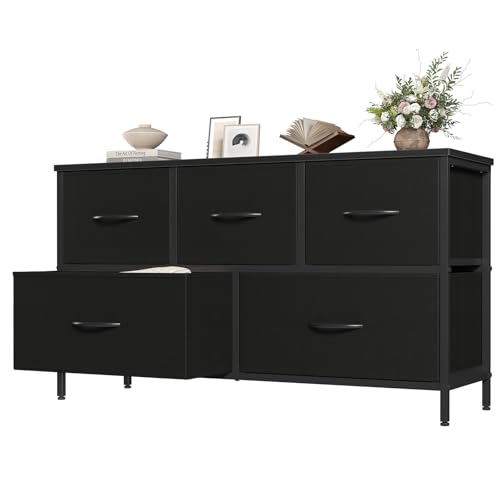
Closet Dresser Drawers: The Ultimate Storage Solution
Transform your walk-in closet into a fully organized dressing room with the right closet dresser drawers. Discover sizing, layout ideas, and expert organization strategies for a clutter-free space.
Explore the GuideWhy closet dresser drawers? A dedicated dresser inside or adjacent to your closet keeps folded clothing, accessories, and delicates within arm's reach. Instead of walking between a bedroom dresser and a closet, everything you need lives in one streamlined zone — saving time, reducing clutter, and making your morning routine effortless.
What Are Closet Dresser Drawers?
Closet dresser drawers are integrated drawer units designed to fit within a closet system, walk-in wardrobe, or reach-in closet. Unlike a freestanding bedroom dresser, these units are built to maximize vertical and horizontal space specific to your closet layout. They can be:
Built-In Drawer Banks
Permanently installed drawer stacks that integrate with closet shelving and hanging rods. Ideal for custom walk-in closets where every inch is planned.
Freestanding Closet Dressers
Compact dressers placed inside a large walk-in closet. These offer flexibility and can be repositioned as your storage needs change. See our guide to a closet dresser for placement ideas.
Closet Island Drawers
Drawers built into a closet island with access from both sides. A luxury option for spacious walk-ins, offering generous storage and a central dressing surface.
Modular Drawer Units
Stackable or add-on drawer modules that fit into existing closet organizer systems. Perfect for upgrading storage without a full renovation.
Key Benefits of Adding Drawers to Your Closet
Adding dresser drawers to your closet is more than a storage upgrade — it is a lifestyle improvement. Here is what you gain:
- Single-zone dressing: Keep folded clothes, undergarments, and accessories in the same room where you get dressed.
- Protected clothing: Drawers shield delicates and knits from dust, sunlight, and hanging-stretch.
- Maximized vertical space: Drawer banks use the awkward mid-height zone between hanging rods and shelves.
- Concealed clutter: Small items, socks, and accessories disappear behind clean drawer fronts.
- Better organization: Dedicated drawers for categories make it easy to maintain order. Explore our closet organization ideas for proven systems.
- Improved flow: No more walking back and forth between bedroom dresser and closet.
Types of Closet Drawer Layouts
Choosing the right layout depends on your closet size, shape, and storage volume. Here are the most common configurations:
| Layout | Best For | Tier |
|---|---|---|
| Full-height drawer tower | Narrow closets with limited floor space; stacks 5–7 drawers vertically. | Essential tier |
| Under-shelf drawer bank | Closets with existing shelving; uses the space below a shelf for 2–3 drawers. | Mid-tier |
| Island drawer unit | Large walk-in closets; drawers on both sides with a countertop above. | High-end tier |
| Corner drawer stack | Corner spaces that would otherwise be wasted; angled or square corner units. | Balanced tier |
| Integrated wardrobe drawers | Combination wardrobe systems where drawers sit beside hanging sections. | Professional-grade |
Closet Dresser Drawer Sizing Guide
Getting the dimensions right is critical. Drawers that are too deep waste space; drawers that are too shallow fail to hold bulky items. Use this guide:
Drawer Depth (Front to Back)
- 12–14 inches: Best for accessories, jewelry, and folded tees.
- 14–16 inches: Ideal for folded shirts, pants, and delicates.
- 16–20 inches: Suited for bulky knits, jeans, and bedding.
Drawer Height
- 4–6 inches: Shallow drawers for socks, undergarments, and accessories.
- 6–8 inches: Medium drawers for folded shirts and pants.
- 8–12 inches: Deep drawers for sweaters, jeans, and linens.
Drawer Width
- 18–24 inches: Narrow tower drawers — good for small closets.
- 24–30 inches: Standard closet drawer width for most folded clothing.
- 30–36 inches: Wide drawers for shared closets or bulky items.
How to Organize Closet Dresser Drawers Like a Pro
Even the best drawer system fails without a smart organization plan. Follow these steps to keep your closet dresser drawers functional and tidy:
- Assign one category per drawer: Socks in one, undergarments in another, folded tees in a third. Avoid mixing categories.
- Use drawer dividers: Clothes drawer dividers keep rows neat and prevent items from sliding.
- Fold vertically (file folding): Stand folded items upright so you can see every piece at a glance.
- Place most-used items at waist height: The middle drawers are the easiest to reach — reserve them for daily essentials.
- Keep heavy items low: Jeans and bulky knits belong in lower drawers for safety and structural balance.
- Rotate seasonally: Store off-season clothing in upper or less-accessible drawers and swap them each season.
- Label if needed: For shared closets, discreet labels help everyone maintain the system.
For a deeper dive into drawer organization, see our full clothes drawer storage guide.
Materials and Construction: What to Look For
Closet dresser drawers face daily use — they slide, bear weight, and hold delicate fabrics. Quality construction matters:
Drawer Box Material
Solid wood or high-grade plywood drawer boxes resist warping and hold up to frequent use. Avoid thin particle board in high-traffic drawers.
Glides and Slides
Full-extension ball-bearing glides offer smooth operation and full access to the drawer's contents. Soft-close mechanisms add a premium feel.
Joinery
Dovetail or box joints indicate sturdy construction. Stapled or glued joints are common in entry-level units and may loosen over time.
Finish
A smooth, sealed finish protects against moisture and makes cleaning easy. Look for low-VOC finishes for bedroom and closet environments.
Closet Island Dresser with Drawers on Both Sides
For spacious walk-in closets, a closet island dresser with drawers on both sides is the ultimate luxury upgrade. This configuration provides:
- Dual access — two people can use the island simultaneously.
- A generous countertop for folding, sorting, or displaying accessories.
- Substantial drawer capacity for folded clothing, linens, and seasonal items.
- A natural focal point that elevates the entire closet design.
Closet Organizer Chest of Drawers: A Flexible Alternative
If built-in cabinetry is not feasible, a closet organizer chest of drawers offers a freestanding solution. These units are designed to fit within closet footprints and often feature:
- Compact depths that align with standard closet dimensions.
- Multiple drawer sizes within a single unit for versatile storage.
- Neutral finishes that blend with closet shelving and walls.
- Easy installation without structural modifications.
Buying Considerations for Closet Dresser Drawers
Before selecting a closet dresser drawer system, evaluate these factors:
Measure Your Closet Space
- Width available for the drawer unit (account for door swing and walking clearance).
- Height from floor to the underside of shelving or hanging rods.
- Depth of the closet — ensure drawers can fully extend without obstruction.
Assess Your Wardrobe
- Count folded items vs. hanging items to determine drawer quantity.
- Identify bulky categories (sweaters, jeans) that need deeper drawers.
- Consider shared closets — plan for equal or proportionate drawer allocation.
Choose the Right Tier
- Starter tier: Basic drawer modules with standard glides — solid for guest closets or light use.
- Mid-tier: Improved glides, better drawer boxes, and more size options for daily-use closets.
- Top-tier: Full-extension soft-close glides, dovetail joinery, and premium finishes for high-end walk-ins.
Ready to Upgrade Your Closet Storage?
Explore our curated selection of closet dresser drawers and storage solutions below. Each option is chosen for quality, functionality, and fit within closet environments.
View Recommended OptionsFrequently Asked Questions
How deep should closet dresser drawers be?
Most closet drawers range from 14 to 16 inches deep. Shallower drawers (12–14 inches) work well for accessories and folded tees, while deeper drawers (16–20 inches) suit bulky knits and jeans. Always verify that the drawer can fully extend without hitting closet walls or doors.
Can I add drawers to an existing closet system?
Yes. Modular drawer units and add-on drawer banks are designed to integrate with many closet organizer systems. Measure your existing shelving and hanging-rod spacing, then choose a drawer module that fits the available slot. Freestanding closet dressers are another flexible option if built-in integration is not possible.
What is the difference between a closet dresser and a bedroom dresser?
A closet dresser is sized and configured to fit inside or adjacent to a closet, often with a narrower depth and modular design. A bedroom dresser is typically freestanding, may be wider and deeper, and serves as a room's primary storage piece. Both serve the same core function — organized drawer storage — but closet dressers prioritize space efficiency within the closet footprint.
How do I keep closet dresser drawers organized long-term?
Assign one category per drawer, use dividers to maintain rows, fold items vertically, and perform a seasonal rotation. The most successful systems are simple enough to maintain daily. For more strategies, see our clothing drawer organizer guide.
Are closet island dressers worth it?
For large walk-in closets, a closet island dresser adds substantial storage, a folding surface, and a luxurious focal point. The drawers on both sides allow two people to use the island at once. For smaller closets, a drawer tower or under-shelf drawer bank delivers most of the functional benefit in a more compact footprint.
Final thought: Closet dresser drawers are one of the most impactful upgrades you can make to your closet. By matching drawer depth, height, and layout to your actual wardrobe, and by committing to a simple organization system, you create a closet that works with you every single day — not against you.