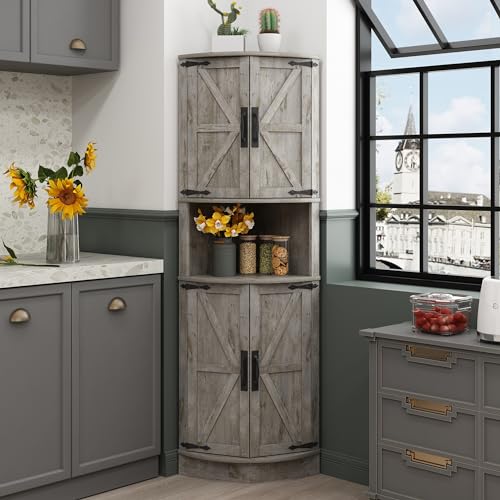
Corner Chest of Drawers: Smart Storage for Tight Spaces
Turn an awkward corner into your bedroom's most productive storage zone. Learn how to choose, measure, and style a corner chest of drawers that fits perfectly and works hard every day.
Explore Buying FactorsWhy a corner chest of drawers deserves your attention: Most bedrooms have at least one corner that sits empty—too narrow for a standard dresser, too awkward for a nightstand. A corner chest of drawers is purpose-built for exactly that dead zone. It reclaims floor space you already own, keeps walkways clear, and delivers the drawer capacity of a full-size dresser without blocking traffic flow. If you are researching before buying, this guide covers everything: shape, sizing, materials, drawer mechanics, placement, and the styling decisions that separate a good purchase from a great one.
What Exactly Is a Corner Chest of Drawers?
A corner chest of drawers is a storage unit engineered to occupy the intersection of two walls. Unlike a standard rectangular dresser pushed into a corner—which leaves triangular voids behind it—a dedicated corner piece hugs both walls simultaneously. There are two main construction approaches:
- Angled-front corner chests: The drawer faces are set at roughly 45 degrees across the corner, creating a wedge or fan-shaped footprint. These look intentional and often become a focal point.
- Compact rectangular corner chests: A narrow, deeper-than-usual rectangular unit that slides into the corner with one long side against a wall. Less dramatic visually, but more forgiving in rooms with tight clearances.
If you are still deciding between furniture categories, our guide to the chest of drawers explains how drawer chests differ from dressers, armoires, and wardrobes—useful context before you commit to a corner configuration.
Who Should Buy a Corner Chest of Drawers?
This piece earns its place in a wide range of rooms, but it shines brightest in a few specific scenarios:
- Small bedrooms and studio apartments: When every square foot counts, a corner footprint preserves the central floor area for movement and furniture arrangement.
- Rooms with a dedicated furniture wall: If your bed or desk already claims the longest wall, the corner becomes the last available storage real estate.
- Nurseries and children's rooms: Corners are naturally out of the primary play path, which makes a corner unit a safer, less disruptive location for clothing storage. Explore children's dressers for safety-focused options.
- Closets and dressing areas: A corner chest can sit inside a walk-in closet where wall space is fragmented. Our closet dresser guide covers integrated storage planning.
- Guest rooms and multi-use spaces: A compact corner chest doubles as a surface for a lamp, a tray, or a mirror while staying out of the way.
If your room is genuinely generous in size, a corner piece may underuse the available wall length. In that case, a corner dresser or a full-width unit might serve you better—compare footprints before deciding.
The Buying Factors That Actually Matter
1. Measure the Corner, Not the Wall
Corner measurement is where most buyers go wrong. You need three numbers: the depth along each adjoining wall, the diagonal distance across the corner at floor level, and the height clearance to any window sill, shelf, or wall art. Add two to three inches of buffer on each side—drawers need room to open, and walls are rarely perfectly square. Also check baseboard thickness: a unit designed to sit flush will rock or leave a gap if your baseboards are deep.
2. Drawer Count and Configuration
Corner chests typically range from three to six drawers. A three-drawer wedge is ideal for folded clothing and linens; five- and six-drawer versions add a top split drawer for accessories, jewelry, or small items. Deep bottom drawers suit bulky knitwear and bedding, while shallow top drawers keep socks and undergarments visible. If organization is a priority, pair the unit with clothes drawer dividers to keep the interior as efficient as the exterior.
3. Drawer Mechanics and Glide Quality
This is the single most overlooked specification. Entry-level corner chests often use single-extension roller glides that wobble under load. Mid-range models typically upgrade to side-mounted ball-bearing glides with smoother travel. Premium and luxury tiers use full-extension, soft-close undermount slides that let you reach the entire drawer depth and close quietly—a meaningful difference in a bedroom. Test the drawer travel in person if possible, or read the glide specification carefully before ordering online.
4. Material and Finish
Solid wood—oak, maple, walnut, or pine—delivers the longest service life and can be refinished if the surface dulls. Engineered wood with quality veneers is stable and consistent, and it holds up well in dry indoor climates. Particleboard cores with thin laminates belong to the essential tier and are best reserved for light-use guest rooms. For humid environments, insist on sealed finishes on all six sides of the drawer boxes, not just the visible faces. If you are weighing construction types in detail, our comparison of solid wood versus engineered options is worth reading before you shop.
5. Style Fit
A corner chest is a visible architectural element, so style coherence matters more than with a hidden-away piece. Modern and contemporary rooms suit slim metal legs, flat fronts, and handleless push-to-open drawers. Traditional and cottage interiors pair naturally with cottage-style chest of drawers featuring beadboard fronts and turned feet. Coastal rooms benefit from light finishes and woven or rattan accents; explore coastal-style chest of drawers for that relaxed look. Mid-century and Scandinavian spaces favor tapered legs and warm wood tones.
Corner Chest Profiles Compared by Tier
The table below groups corner chest configurations by market tier and intended use. Tier descriptors reflect relative positioning within the category—not any specific figure.
| Tier | Typical Construction | Best For | Drawer Mechanics |
|---|---|---|---|
| Entry-Level | Engineered wood with laminate finish; partial assembly | Guest rooms, first apartments, temporary setups | Single-extension roller glides |
| Mid-Range | Engineered wood with veneer, or mixed solid/engineered | Primary bedrooms, children's rooms, daily use | Ball-bearing side glides |
| Premium | Solid wood frame and drawer boxes; dovetail joinery | Long-term primary bedroom investment | Full-extension soft-close undermount |
| Luxury | Hardwood throughout, hand-finished, custom sizing | Design-led interiors, bespoke corner fits | Full-extension, self-closing, premium hardware |
A practical rule: the more frequently a drawer opens each day, the more you benefit from upgrading glide quality. Bedroom clothing storage opens daily, so mid-range is the sensible floor for a primary room; entry-level works where the unit is used occasionally.
Placement and Room Layout Tips
Positioning determines whether a corner chest feels like a smart solution or an obstacle. Keep these principles in mind:
- Respect the door swing: Never place the unit where an open door will collide with drawer fronts. Map the door arc on the floor with tape before ordering.
- Leave drawer clearance: Plan for the full extension of the deepest drawer plus a few inches of standing room. Soft-close full-extension slides need the most clearance.
- Anchor to the wall: Corner units can tip if a child climbs or a heavy drawer is pulled fully open. Use the included anti-tip strap or a furniture anchor kit—especially in nurseries and children's rooms.
- Consider light and outlets: A corner chest is a natural home for a table lamp or charging station. Confirm outlet access before final placement, or plan a cord channel.
- Pair with a mirror: An angled mirror above a corner chest visually expands the room and turns the piece into a dressing station. Our corner dresser with drawers page covers mirror-paired configurations.
For rooms where the corner is already claimed by a bed or desk, a freestanding corner chest can still work along a single wall if you choose a narrow-depth model. And if the corner is too shallow for any chest, a compact dresser may be the better answer.
Quick Sizing Checklist Before You Buy
- Measure wall depth from the corner along both adjoining walls.
- Measure the diagonal across the corner at floor level.
- Check baseboard height and thickness.
- Confirm door swing clearance and walkway width.
- Verify outlet and window sill positions.
- Add two to three inches of buffer on all sides.
Care and Longevity
A corner chest of drawers sits against two walls, which limits airflow behind and beside the unit. That makes a few maintenance habits worthwhile:
- Dust the back and side panels every few months to prevent buildup in the hidden gap.
- Wipe spills immediately—veneer edges are the most vulnerable point to moisture.
- Lubricate drawer glides annually with a dry silicone spray, not oil, which attracts dust.
- Check and tighten handle screws seasonally; corner units take more lateral stress than freestanding dressers.
- Rotate heavy items between drawers occasionally so the slide mechanism wears evenly.
If you are furnishing a full bedroom and want matching pieces, review our contemporary dresser and nightstand set options to coordinate the corner unit with bedside storage.
Frequently Asked Questions
What is a corner chest of drawers?
A corner chest of drawers is a storage piece shaped or positioned to fit into the corner of a room. It typically features an angled front, a triangular or wedge footprint, or a compact rectangular profile designed to sit flush against two adjoining walls, making it ideal for maximizing unused corner space.
How do I measure a corner for a corner dresser?
Measure the length of each wall from the corner outward to determine available depth, then measure the diagonal distance across the corner at floor level. Account for baseboards, outlets, and door swing clearance. Leave at least two to three inches of breathing room around the unit for easy drawer access and ventilation.
Are corner chests of drawers suitable for small bedrooms?
Yes, they are among the most space-efficient storage solutions for small bedrooms. By using the often-wasted corner footprint, a corner chest frees up valuable wall space for a bed, desk, or door swing. Compact models with three to five drawers deliver substantial storage without dominating the room.
What materials work best for a corner chest of drawers?
Solid wood such as oak, maple, or walnut offers the best long-term durability and can be refinished. Engineered wood with quality veneers provides a stable, consistent surface at a mid-range tier. For humid rooms, choose sealed finishes and avoid unfinished particleboard. Metal and mixed-material corner chests suit modern or industrial interiors.
Can a corner chest of drawers be used outside the bedroom?
Absolutely. A corner chest works well in a walk-in closet, a home office for document storage, a bathroom for towel and toiletry organization, or a dining room as a compact sideboard. Just confirm the finish is appropriate for the room's humidity and traffic level before placing it.
Ready to Reclaim Your Corner?
A corner chest of drawers is one of the few furniture purchases that gives you more usable space than it occupies. Measure carefully, match the tier to how often the drawers will open, and anchor the unit securely—then enjoy a bedroom that finally uses every square foot.
Explore Corner Chest Options