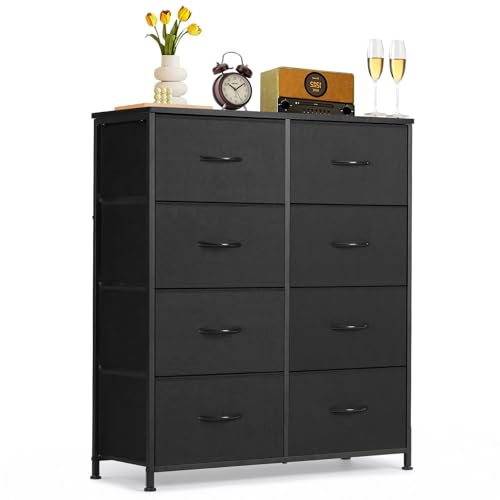
What Is a Clothes Dresser and Why It Deserves Careful Thought
A clothes dresser is a storage furniture piece built around stacked drawers, designed primarily for folded clothing, undergarments, sleepwear, and accessories. Unlike a wardrobe or closet armoire wardrobe, which handles hanging garments, a clothes dresser is optimized for flat-packed items. That distinction matters: if you fold more than you hang, the clothes dresser becomes the workhorse of your bedroom.
Most households interact with their clothes dresser multiple times a day. A poorly planned drawer layout means digging through piles, wrinkled shirts, and items that never quite fit. A well-planned clothes dresser, by contrast, supports a calm morning routine and keeps clothing visible and accessible. Before comparing styles or materials, it helps to understand the three core variables: drawer depth, drawer count, and internal configuration.
Drawer depth determines what the dresser can hold. Shallow drawers suit folded tops, socks, and accessories. Deep drawers accommodate bulky knitwear, jeans, and bedding. Drawer count determines capacity without overwhelming the footprint. Internal configuration — dividers, liners, and split drawers — determines how usable that capacity actually is in daily life. These three variables interact, which is why buying a clothes dresser purely by outward appearance often leads to regret.
Clothes Dresser Sizes: Matching the Piece to Your Room
Size is the first practical constraint. A clothes dresser must fit the wall space, leave clearance for doors and walkways, and scale correctly against the bed. As a rule of thumb, allow at least 24 inches of walking clearance in front of the dresser so drawers can open fully without blocking movement.
| Size Category | Typical Dimensions (W × D × H) | Best For | Drawer Count |
|---|---|---|---|
| Compact | 30–38 in × 16–18 in × 30–36 in | Small bedrooms, apartments, guest rooms | 3–4 |
| Standard | 48–60 in × 18–20 in × 32–36 in | Primary bedrooms, couples | 5–6 |
| Wide | 60–72 in × 18–20 in × 30–36 in | Large bedrooms, shared storage | 6–9 |
| Tall / Chest | 30–40 in × 18–20 in × 45–55 in | Narrow walls, vertical storage | 5–6 |
If floor space is tight, a compact dresser or a corner dresser can reclaim awkward areas. For narrow walls, a tall chest maximizes vertical capacity without consuming width. If you are furnishing a shared bedroom, a wide clothes dresser with split drawers lets two people claim separate zones — a detail covered further in our guide to the couples dresser.
One overlooked factor is ceiling and window placement. A tall clothes dresser placed under a window can block light and look top-heavy. Measure wall height, window sill height, and outlet positions before committing. Also confirm that the dresser's depth does not intrude into a doorway swing or closet access path.
Drawer Layout: The Hidden Engine of a Great Clothes Dresser
Drawer layout is where most clothes dresser purchases succeed or fail. A dresser can look beautiful and still be frustrating if the drawers are too deep, too shallow, or poorly divided. The goal is a layout that mirrors how you actually fold and store clothes.
Shallow vs. Deep Drawers
Shallow drawers, typically 4–6 inches deep, are ideal for folded t-shirts, underwear, socks, and accessories. They prevent stacking, which means you can see everything at a glance. Deep drawers, typically 8–12 inches, suit bulky items like sweaters, jeans, and linens. A balanced clothes dresser combines both: shallow drawers up top for small items and deep drawers below for heavier clothing.
Drawer Count and Width
Wider drawers offer more folding surface but become heavy when full. Narrow drawers are easier to slide and organize but hold less per drawer. A common sweet spot is a 5–6 drawer clothes dresser with a mix of widths. If you own many small accessories, consider a closet dresser drawers configuration with dedicated narrow columns.
Split Drawers and Internal Dividers
Split drawers — two side-by-side compartments within one drawer front — are excellent for couples or for separating categories like socks and underwear. Internal dividers, whether built-in or added later, transform a wide drawer into organized zones. If your dresser lacks dividers, consider clothes drawer dividers as an inexpensive upgrade that dramatically improves usability.
Drawer Glides and Stops
Drawer hardware matters as much as layout. Look for metal side-mounted or under-mount glides with a smooth, full-extension motion. Full-extension glides let you reach the back of the drawer, which reduces the dreaded "lost items at the rear" problem. Drawer stops prevent accidental pull-out. Entry-level dressers often use simple wood-on-wood runners; mid-range and premium tiers typically move to ball-bearing metal glides with soft-close mechanisms. The upgrade is noticeable in daily use and worth prioritizing if the dresser will be opened many times per day.
Materials and Construction: What to Look For
The material determines durability, weight, and how the clothes dresser ages. Solid wood remains the long-term benchmark. Engineered wood — MDF, particleboard, and plywood — dominates the mid-range market and can be perfectly serviceable when well constructed. The key is to inspect the joints, the drawer boxes, and the finish rather than relying on a single label.
Solid Wood
Solid wood dressers offer repairability, structural strength, and the ability to be refinished. Oak, maple, walnut, and pine are common choices. Oak and maple resist wear well; pine is softer and more prone to dents. A solid wood clothes dresser is a long-term investment that can be sanded and refinished if the finish dulls. Our guide to the dark oak dresser explores how one popular solid wood finish performs in real bedrooms.
Engineered Wood
MDF and particleboard are dimensionally stable and resist warping, but they are vulnerable to moisture and cannot be easily repaired if chipped. Plywood sits between the two, offering layered strength and better screw-holding than particleboard. When comparing tiers, premium engineered dressers often use thicker panels, reinforced corner blocks, and better edge banding — differences you can feel when the drawer is fully loaded.
Joinery and Back Panels
Dovetail joints on drawer boxes signal careful construction; stapled or glued butt joints are common at entry level. A solid back panel adds rigidity and prevents racking. If you plan to move the dresser frequently, check that the back panel is attached rather than stapled cardboard.
Clothes Dresser Styles That Fit Real Bedrooms
Style affects longevity as much as appearance. A clothes dresser that clashes with the room's architecture tends to get replaced sooner. The safest approach is to match the dresser to the dominant style already present — or to choose a neutral silhouette that can adapt.
- Modern and contemporary: Clean lines, minimal hardware, and flush drawer fronts. A contemporary dresser and nightstand set creates a cohesive, uncluttered look.
- Mid-century modern: Tapered legs, warm wood tones, and inset handles. Works well in smaller rooms because the legs create visual lightness.
- Farmhouse and cottage: Painted finishes, beadboard details, and cup pulls. A cottage style chest of drawers pairs naturally with soft textiles and natural light.
- Classic and traditional: Molded edges, bracket feet, and symmetrical drawer fronts. A classic dresser ages gracefully and suits formal bedrooms.
- Coastal: Light finishes, woven textures, and airy proportions. A coastal dresser keeps a bedroom feeling open.
Color is a separate decision. A cream dresser brightens a dark room; a dark gray dresser grounds a light-filled space. If you want a statement, a colorful dresser can anchor the room — but keep the surrounding palette restrained.
Organizing Your Clothes Dresser: A Practical System
Even a well-chosen clothes dresser becomes chaotic without a system. The most effective approach is to assign drawers by category and frequency of use, not by garment type alone.
The Frequency-Zone Method
Place the items you wear most often in the drawers at waist height. These are the easiest drawers to reach, and they should hold your daily rotation: everyday tops, underwear, and socks. Reserve the top drawers for accessories and items used less often, and the bottom drawers for bulky or seasonal clothing.
Folding Techniques That Save Space
Vertical folding — also called file folding — stores garments upright so you can see every item at once. It works best in shallow drawers and pairs naturally with clothes drawer storage organizers. For deeper drawers, use drawer dividers to create vertical sections, then file-fold within each section.
Seasonal Rotation
Rotate seasonal clothing out of the primary clothes dresser and into under-bed storage or a closet. This keeps the dresser focused on the current season and prevents drawers from becoming overstuffed. A simple two-bin system — one for the current season, one for off-season — is usually enough.
Maintenance Habits
Empty and wipe each drawer every few months. Check that drawer glides are free of lint and debris. Tighten handle screws periodically. These small habits extend the life of the clothes dresser and keep drawers sliding smoothly.
Safety, Stability, and Placement
Clothes dressers hold significant weight, and a loaded dresser can tip if a child climbs on open drawers. Anti-tip straps or wall anchors are essential, especially in homes with young children. Anchor the dresser to a wall stud whenever possible, and avoid placing heavy items in the top drawers, which raises the center of gravity.
Placement also affects usability. Keep the dresser away from radiators and direct sunlight, which can warp finishes and fade wood over time. Leave a small gap behind the dresser for ventilation and to accommodate baseboards. If the dresser sits opposite a window, check for glare on the finish and consider a position that avoids direct afternoon sun.
When a Clothes Dresser Is the Right Choice — and When It Isn't
A clothes dresser is the right choice when folded clothing dominates your wardrobe, when you want quick visual access to everyday items, and when floor space allows a stable footprint. It is less suitable when hanging space is the priority, when the room is extremely narrow, or when you need a combined dressing and storage station.
For hanging-heavy wardrobes, a closet dresser or a closet armoire wardrobe may work better. For rooms that need both seating and storage, a combination dresser and TV stand or a credenza dresser can multitask. And for children's rooms, a childrens dressers sized to the child's reach is safer and more usable than an adult-height piece.
Quick Decision Checklist
- Measure the wall, doorway clearance, and drawer opening space before shopping.
- Choose a drawer mix: shallow for tops and accessories, deep for knitwear and jeans.
- Prioritize full-extension metal glides if the dresser will be used daily.
- Confirm the dresser can be anchored to the wall.
- Plan a frequency-zone layout before the dresser arrives.
- Add dividers or drawer organizers to match your folding style.
Frequently Asked Questions About Clothes Dressers
How many drawers does a clothes dresser need?
For a single adult, a 5–6 drawer dresser is usually sufficient when combined with closet hanging space. Couples often benefit from 6–9 drawers, especially with split drawer configurations. The right number depends more on drawer depth and internal dividers than on raw count.
What is the difference between a clothes dresser and a chest of drawers?
The terms overlap significantly. A chest of drawers tends to be taller and narrower, while a dresser is often wider and lower. Functionally, both store folded clothing. The choice usually comes down to wall space and whether you prefer vertical or horizontal storage.
Can a clothes dresser be used in a closet?
Yes. A closet dresser is specifically sized for walk-in closets and can replace shelving. Just ensure the closet has enough clearance for drawers to open and that the dresser is anchored or built in securely.
How do I stop drawers from sticking?
Clean the glides, check for loose screws, and avoid overloading drawers. For wood-on-wood runners, a small amount of paraffin wax on the runner can help. If the dresser uses metal glides, confirm they are aligned and free of debris.
Is solid wood always better than engineered wood?
Not automatically. Solid wood offers repairability and long-term durability, but a well-built engineered wood dresser with reinforced joints and quality glides can perform well for years. Inspect construction details rather than relying on the material label alone.
How do I organize a shared clothes dresser?
Split the dresser into zones: one side per person, or separate drawers by category. Split drawers and internal dividers help. Labeling drawers, even discreetly, reduces crossover and keeps the system working.