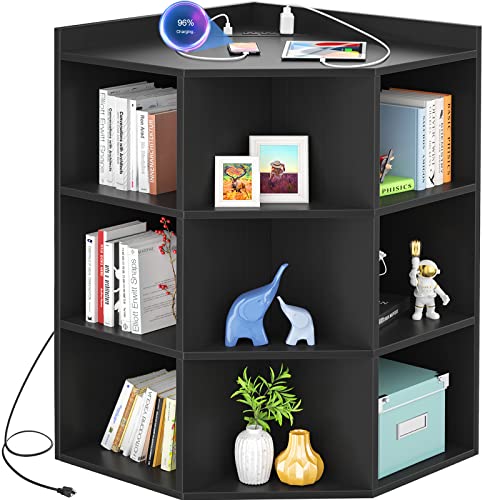
What Exactly Is a Corner Dresser?
A corner dresser is a chest of drawers shaped to nestle into the angle where two walls meet. Instead of a flat rectangular back, it usually has a triangular, wedge, or angled profile. The front may be flat, gently curved, or faceted, but the rear geometry is designed to sit flush against both walls with minimal wasted clearance.
This differs from simply pushing a regular dresser into a corner. A standard rectangular dresser leaves a triangular void behind it, which collects dust and looks unfinished. A true corner dresser closes that gap, so the piece reads as built-in storage rather than furniture that was forced into place.
Corner dressers come in several functional flavors. Some are freestanding wedge units with two to five drawers. Others are taller corner chest of drawers designs that prioritize vertical storage. A few are combined with open shelving or a small display surface on top. The common thread is that every design is optimized for the geometry of a corner.
Why Choose a Corner Dresser for Your Bedroom
The primary benefit is space efficiency. Bedrooms often have at least one corner that is difficult to furnish. A corner dresser converts that zone into usable drawer space while keeping the center of the room open for a bed, a walking path, or a reading chair. In rooms where every square foot counts, that efficiency is significant.
A second benefit is visual balance. A corner dresser anchors the room and softens harsh right angles. Because it follows the architecture of the room, it can make a small bedroom feel more deliberate and less cluttered. This is especially true when the dresser is paired with a mirror or a lamp that draws the eye upward.
Third, corner dressers can improve safety and circulation. By removing a bulky rectangular piece from the middle of a wall, you free up clearance near doors, closets, and windows. That matters in corner chest of drawers for bedroom layouts where the bed and dresser compete for the same narrow strip of floor.
Types of Corner Dressers
Understanding the main configurations helps you match a dresser to your room and storage habits. The three broad categories below cover most of what you will encounter.
Wedge Corner Dresser
The classic triangular footprint. The back forms a right angle that fits snugly into the corner, while the front is usually a flat or slightly curved drawer face. Best for tight corners and small bedrooms.
Angled Front Corner Dresser
Similar rear geometry to a wedge, but the drawer fronts are angled or faceted. This creates a more sculptural look and can make the piece feel lighter in the room. Often chosen for contemporary and transitional bedrooms.
Tall Corner Chest
Vertical rather than wide. A tall corner chest stacks four to six drawers in a narrow footprint, which is ideal when floor space is limited but you still need generous storage. Frequently used in guest rooms and nurseries.
There is also a hybrid category: corner dressers with open shelving or a small hutch on top. These bridge the gap between a dresser and a display piece, and they work well in rooms that need both concealed storage and a spot for books or decor. If your priority is drawer volume, lean toward a dedicated drawer stack. If you want flexibility, a hybrid design may serve you better.
For rooms that need even more specialized storage, it helps to compare a corner dresser with a corner chest or a corner dresser chest for bedroom configuration. The differences usually come down to drawer height, overall depth, and whether the top surface is designed for display or utility.
Measuring for a Corner Dresser
Accurate measurements prevent the most common corner dresser mistake: buying a piece that looks right online but does not fit the actual angle of the room. Follow these steps before you shop.
Measurement Checklist
- Measure both walls that form the corner from the corner outward to the nearest obstruction.
- Record the depth of baseboards, trim, and any wall outlets or switches.
- Note the height from floor to ceiling, and check for windows or wall art that limit height.
- Account for door swings, closet doors, and the walking path in front of the dresser.
- Confirm the corner angle. Most rooms are 90 degrees, but older homes may deviate slightly.
- Leave a small clearance at the back so the dresser does not scuff the walls.
Depth is the measurement people most often overlook. A corner dresser that is too deep will protrude into the room and defeat the purpose of saving space. Width matters too, but because the piece is angled, the front face is often narrower than the wall span it occupies. Always compare the manufacturer's footprint dimensions, not just the overall width, against your measured corner.
Sizes and Configurations
Corner dressers range from compact two-drawer units to full-size angled chests. The right size depends on how much you need to store and how much floor area you can spare.
A small corner dresser with two or three drawers is a good fit for a guest room, a nursery, or a bedroom that already has a closet. It handles socks, undergarments, and folded tops without dominating the room. A mid-size four-drawer corner dresser suits a primary bedroom where the dresser is the main clothing storage. A tall corner chest with five or six drawers works best when you want maximum capacity in a narrow footprint.
If you are furnishing a genuinely compact room, it is worth reviewing options for a compact dresser or a small dresser before committing to a larger angled piece. In some layouts, a shallow rectangular dresser along a long wall outperforms a corner unit. The goal is to match the storage piece to the room's geometry, not to force a corner dresser into a space where it does not belong.
For bedrooms with very little floor space, a corner dresser with drawers that rises vertically can be the most efficient choice. It keeps the footprint tight while still offering several drawers of usable storage.
Materials and Build Quality
Corner dressers are available across the full spectrum of construction quality. Understanding the tiers helps you set realistic expectations and choose a piece that will hold up to daily use.
| Tier | Typical Construction | Best For |
|---|---|---|
| Entry-level | Engineered wood with paper or laminate veneer, basic metal glides | Guest rooms, temporary setups, light use |
| Mid-range | Engineered wood core with real wood veneer, side-mounted or ball-bearing glides | Primary bedrooms, daily use, balanced durability |
| Premium | Solid wood frames and drawer boxes, dovetail joinery, soft-close glides | Long-term investment, heavy daily use, heirloom intent |
| Luxury | Solid hardwood throughout, hand-finished surfaces, premium hardware, custom sizing | Design-focused rooms, bespoke fits, flagship-tier expectations |
For most bedrooms, mid-range construction offers the best balance of durability and refinement. Entry-level pieces are fine for low-traffic rooms, but drawer glides and veneers tend to show wear sooner. Premium and luxury tiers are worthwhile investments when the dresser will be used daily for many years, or when the angled shape needs to be custom-built to fit an unusual corner.
Pay attention to the drawer boxes and glides, not just the exterior finish. A corner dresser with solid wood drawer boxes and soft-close glides will feel noticeably smoother than one with stapled particleboard boxes. If the dresser will hold heavier items like jeans or linens, reinforced drawer bottoms matter as well.
Style and Finish Options
Corner dressers are no longer limited to basic wood tones. The style you choose should harmonize with the rest of the bedroom while making the angled shape feel intentional.
For a warm, classic look, a corner dresser in a natural wood finish pairs well with traditional bedding and brass hardware. For a cleaner, more contemporary room, a painted white or soft gray corner dresser with minimal hardware keeps the silhouette light. Dark finishes can add drama in a larger bedroom, but in a small room they may feel heavy; a light or mid-tone finish usually reads better in tight corners.
Hardware is an easy way to shift the style. Simple knobs suit casual and coastal rooms, while slim bar pulls lean modern. If you plan to keep the dresser for years, choose a finish and hardware combination that is easy to update rather than one tied to a short-lived trend.
Corner Dresser vs. Standard Dresser
The choice between a corner dresser and a standard rectangular dresser comes down to room layout and storage priorities. A standard dresser offers a wider, flatter top surface and generally more drawer width per drawer. It is easier to find in stores and often simpler to match with a nightstand set. If your bedroom has a long, unobstructed wall, a standard dresser may be the more natural fit.
A corner dresser wins when the room has an awkward angle, limited wall space, or a layout where a rectangular piece would block circulation. It is also a strong choice when you want the dresser to serve as a visual anchor in a small room. The trade-off is usually a smaller top surface and fewer width options. Neither option is universally better; the right answer depends on the specific geometry of your bedroom.
If you are still weighing the differences between dresser types, it can help to review a broader overview of dresser types before narrowing down to corner-specific designs.
How to Style a Corner Dresser
Because a corner dresser sits at an angle, styling it well requires a slightly different approach than a flat-wall dresser. The goal is to make the piece feel deliberate and balanced rather than tucked away.
- Use the top sparingly. A small lamp, a tray for everyday items, and one decorative object are usually enough. Overfilling the top makes the corner feel crowded.
- Add a mirror above. A mirror reflects light and visually opens the corner. A simple round or arched mirror works well above an angled dresser.
- Keep the drawers organized. Corner drawers can be deep, so use dividers to keep smaller items from sliding around. See our drawer organization ideas for practical systems.
- Mind the lighting. A small lamp or a wall sconce near the dresser makes the corner usable in the evening and adds warmth to the room.
- Coordinate with the bed. If the dresser is visible from the bed, choose a finish or hardware that echoes the bed frame or nightstands for a cohesive look.
Common Mistakes to Avoid
The most frequent mistake is underestimating depth. A corner dresser that projects too far into the room can make a small bedroom feel cramped and can interfere with walking paths. Measure the footprint carefully and compare it to the open floor area, not just the corner span.
A second mistake is ignoring the corner angle. Some older homes have corners that are slightly more or less than 90 degrees, which can leave gaps behind a standard wedge dresser. If your corner is irregular, consider a custom or adjustable design, or accept a small gap and use it for a slim storage basket.
Third, do not overlook drawer function. Corner dressers sometimes have deeper drawers that are awkward to reach. Check that the drawers open fully without hitting adjacent walls or furniture, and confirm the glide quality before buying.
Frequently Asked Questions
What is a corner dresser?
A corner dresser is a storage piece shaped to fit into the angle where two walls meet. It usually has a triangular, wedge, or angled profile so it sits flush against both walls, turning unused corner space into functional drawer storage.
How do I measure for a corner dresser?
Measure both walls forming the corner, note baseboards and trim, record the available height, and account for door swings and walkways. Compare the dresser's footprint dimensions to your measured corner before ordering.
What size corner dresser is best for a small bedroom?
Compact two- to four-drawer corner dressers with a modest footprint usually work best. When floor space is tight, prioritize vertical height over width and choose a wedge shape that hugs the corner tightly.
Can a corner dresser be used in other rooms?
Yes. Corner dressers suit nurseries, guest rooms, entryways, home offices, and bathrooms. The angled design is useful anywhere wall space is limited and efficient storage is needed.
Ready to Reclaim Your Corner Space?
Browse our recommended corner dressers and storage pieces below. Each option is selected to help you compare shapes, drawer configurations, and build quality so you can choose with confidence.
View Recommended Corner Dressers