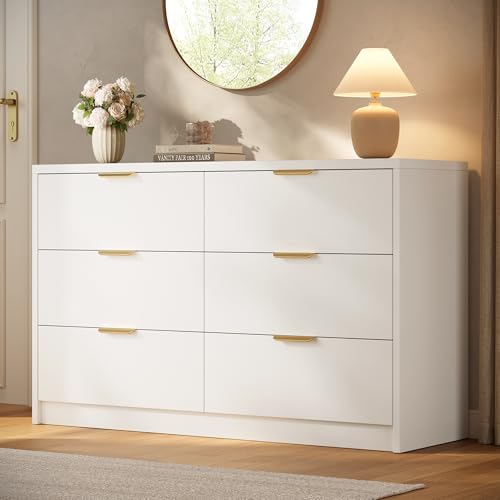
Cream Dresser: The Complete Buying Guide
A cream dresser sits at the sweet spot between bright white and warm beige, which is exactly why it works in so many bedrooms. This guide breaks down finishes, drawer counts, dimensions, construction quality, and styling so you can choose with confidence.
Explore Cream DressersWho this guide is for: You already know you want a cream dresser and you are comparing options before ordering. Below you will find the practical details that decide whether a piece fits your room, your wardrobe, and your daily routine.
What Makes a Cream Dresser Different
Cream is not a single color. Furniture manufacturers use the term for finishes that range from a soft ivory to a warm sand tone, often with a subtle glaze or brushed texture. Compared with a stark white dresser, cream softens a room and reflects light without feeling clinical. Compared with beige, cream usually carries more warmth and a slightly brighter undertone.
That versatility is the main reason cream dressers appear in so many design styles. A classic dresser in cream reads elegant, while a coastal dresser in the same finish feels relaxed and airy. The color is neutral enough that you can change bedding, rugs, and artwork over the years without repainting the furniture.
If you want a narrower footprint, cream also works well on compact pieces such as a compact dresser or a corner dresser, where a light finish keeps a tight space from feeling closed in.
Cream Dresser Styles and Finishes
Two cream dressers can look completely different depending on finish technique and hardware. Knowing the main variations helps you narrow a long list quickly.
Painted Cream
A painted cream dresser has an opaque, uniform surface. It hides wood grain and is the easiest finish to wipe clean, which makes it a practical choice for family bedrooms. Painted pieces pair especially well with contrast hardware, such as gold hardware dressers, where brass pulls add warmth against the pale surface.
Washed or Glazed Cream
A wash or glaze leaves some grain visible and adds depth around drawer edges and moldings. This finish suits cottage style chest of drawers designs and farmhouse bedrooms where a slightly lived-in look is intentional. Glazed finishes show smudges less than flat paint but can be harder to touch up.
Lacquered Cream
Lacquer gives a smooth, slightly reflective surface that reads more contemporary. It is common on contemporary dresser and nightstand sets and on pieces with clean, handle-free fronts. Lacquer looks refined but generally benefits from coasters and gentle cleaning products.
Cream with a Mirror
A cream color dresser with mirror combines storage with a dressing area, which is useful in bedrooms without space for a separate vanity. The mirror usually sits on top of a wider dresser, so measure wall height and clearance before choosing this configuration.
How to Choose the Right Drawer Count
Drawer count is the single biggest factor in whether a dresser keeps up with your wardrobe. The table below maps typical configurations to realistic use cases.
| Configuration | Best For | Typical Placement |
|---|---|---|
| 3 drawers | Guest rooms, small bedrooms, shared spaces | Compact dresser or corner dresser |
| 4 to 5 drawers | Couples and primary bedrooms | Standard-width dresser against a wall |
| 6 drawers | Families, seasonal clothing storage | Wide dresser or cream tallboy chest of drawers alternative |
| 7 to 9 drawers | Multi-person households, linen and clothing combined | Tall, narrow footprint to save floor space |
Drawer depth matters as much as drawer count. Shallow top drawers suit accessories and folded tops, while deeper lower drawers handle knitwear and bedding. If you want one place for everything, a deep drawer dresser configuration reduces the number of storage boxes you need elsewhere.
Sizing a Cream Dresser for Your Bedroom
Measure three things before you buy: wall width, walking clearance, and ceiling height for any mirror. A dresser that is too deep can crowd the foot of the bed, and a tall piece placed beside a low bed can feel unbalanced.
- Width: Leave at least 60 cm of open floor on each side where possible so drawers can open fully.
- Depth: Standard dressers run roughly 40 to 50 cm deep. Measure door swing and bedside walking paths.
- Height: A dresser top around waist height is comfortable for daily use. Taller chests save floor space but need clear overhead room.
For tight layouts, a corner chest of drawers for bedroom uses otherwise dead space, and a narrow dresser can slide into a gap beside a door. If you are furnishing a full room at once, a cream dresser and nightstand set keeps proportions and finish consistent across the bedroom.
Construction Quality: What to Check
Cream finishes hide some flaws that darker woods would expose, so it pays to inspect construction rather than rely on appearance alone.
Entry-Level Tier
Engineered wood panels with veneer, stapled or cam-lock assembly, and basic metal slides. Suitable for guest rooms and low-traffic use. Check weight ratings and whether the back panel is reinforced.
Mid-Tier
Solid wood fronts on engineered carcasses, dovetail or reinforced drawer joints, and smoother side-mounted or ball-bearing glides. A solid choice for daily use in a primary bedroom.
Premium Tier
Solid hardwood construction, fully finished drawer interiors, soft-close undermount glides, and dust panels between drawers. Built as a long-term investment piece.
Luxury Tier
Hand-finished surfaces, custom hardware, and joinery details such as corner blocks and reinforced frames. Typically paired with matching collections and longer warranties.
Regardless of tier, test the drawers in person if possible. Pull each one fully open and check for wobble, listen for grinding in the glides, and confirm that the drawer box closes flush with the front. On painted cream pieces, look closely at drawer edges for cracking that suggests poor surface preparation.
Styling a Cream Dresser
Cream is forgiving, but a little planning makes the piece look intentional rather than accidental. A few reliable approaches:
- Contrast hardware: Black pulls create a crisp modern look, while brass adds warmth. Swapping hardware is a simple upgrade on an entry-level piece.
- Wood and rattan accents: A rattan mirror or wooden tray breaks up the pale surface and adds texture.
- Layered lighting: A small table lamp on one side and a plant on the other balances the top without clutter.
- Consistent palette: Keep bedding and curtains in warm neutrals or soft sage so the cream dresser anchors the room instead of competing.
If you like to change decor often, a colorful dresser as an accent elsewhere in the room can offset the calm of a cream centerpiece. For a coordinated look across the room, browse our coastal style chest of drawers ideas, which pair naturally with cream finishes.
Care and Maintenance
Cream furniture shows dust and scuffs more readily than dark wood, but upkeep is straightforward:
- Dust weekly with a soft microfiber cloth, working with the grain on any visible wood sections.
- Wipe spills immediately with a lightly damp cloth, then dry the surface to prevent water marks.
- Avoid abrasive cleaners, scouring pads, and solvent-based products that can dull painted finishes.
- Keep the dresser out of direct sunlight to reduce yellowing and uneven fading over time.
- Use felt pads under decorative items to prevent scratches on the top surface.
Frequently Asked Questions
What is a cream dresser?
A cream dresser is a bedroom storage piece finished in a warm off-white tone between pure white and beige. It typically has three to nine drawers and fits transitional, coastal, farmhouse, and classic interiors.
How many drawers should a cream dresser have?
Three to four drawers suit compact rooms and couples, five to six drawers fit most primary bedrooms, and seven to nine drawers work well for families or anyone storing clothing across seasons.
Is a cream dresser easy to style?
Yes. Cream is one of the most versatile furniture finishes. It pairs naturally with wood tones, brass and black hardware, rattan accents, and both warm and cool bedding palettes.
How do I keep a cream dresser looking clean?
Dust weekly with a soft microfiber cloth, wipe spills promptly with a slightly damp cloth, and avoid abrasive cleaners. Keep the piece out of direct sunlight to prevent yellowing or uneven fading.
Should I choose a cream dresser with a mirror?
A mirror adds a dressing function and makes a small bedroom feel larger. Choose one if you lack space for a separate vanity, but confirm wall height and clearance first.
Related Storage and Organization Guides
Once your cream dresser is in place, these guides help you get more from it:
- Closet organization ideas for overflow clothing and seasonal rotation.
- Clothes drawer dividers to keep folded stacks upright and visible.
- Clothes drawer storage techniques for maximizing every drawer inch.
- Clothing drawer organizer options for socks, accessories, and small items.
- Custom drawer systems if you want to retrofit an older dresser.
Before you buy: Confirm the drawer count matches your wardrobe, check the construction tier against how heavily the dresser will be used, and measure your wall and floor clearance. A well-chosen cream dresser should last through several rounds of redecorating.