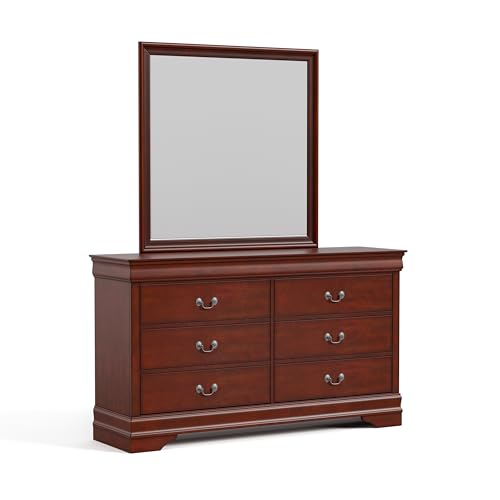
Antique Dressers with Mirrors
Discover the timeless elegance of antique dressers with mirrors. Learn about styles, wood types, mirror designs, and what to inspect before bringing home this classic bedroom centerpiece.
Explore the Buying GuideWhy Antique Dressers with Mirrors? An antique dresser with a mirror is more than storage—it is a statement piece that combines craftsmanship, history, and everyday function. Whether you are drawn to a mahogany dresser with a mirror or a white antique dresser with mirror, understanding construction and provenance helps you choose wisely.
What Makes Antique Dressers with Mirrors Special
Antique dressers with mirrors occupy a unique place in bedroom furniture. They serve dual purposes as both storage and vanity, and many date from eras when joinery and finishing techniques were performed entirely by hand. The attached mirror—often tilting or framed in carved wood—adds vertical presence and makes the piece a natural focal point.
Unlike modern reproductions, genuine antique dressers with mirrors carry the patina of age: subtle wear on drawer fronts, hand-cut dovetails, and glass that may show the gentle foxing characteristic of older mirrors. These details are not flaws—they are evidence of authenticity and character. For buyers researching the broader category, our antique dresser guide provides foundational context before narrowing down to mirror-topped models.
When shopping, you will encounter terms like lowboy dresser with mirror (a lower, wider form) and highboy dresser (a taller chest). Each silhouette pairs differently with mirror styles, and understanding these forms helps you match the piece to your room's proportions.
Popular Styles and Eras of Antique Dressers with Mirrors
The style of an antique dresser with mirror reflects the period and region of its origin. Here are the most common categories buyers encounter:
Victorian (Mid-to-Late 1800s)
Ornate carvings, heavy proportions, and often marble tops. Mirrors are typically large and framed in carved wood. These pieces suit traditional bedrooms with generous space.
Edwardian (Early 1900s)
Slightly lighter than Victorian designs with cleaner lines. Mahogany and walnut are common. Mirror frames may feature inlay or subtle veneer work. See our guide to antique dressers from the early 1900s for more detail.
French Provincial
Curved legs, soft paint or natural wood finishes, and graceful mirror frames. These pieces bring a romantic, country-French character to a bedroom. Explore antique French dressers for related styles.
Art Deco (1920s–1930s)
Geometric lines, waterfall fronts, and bold veneers. Mirrors often have angular frames that complement the streamlined silhouette.
English Antique
Refined proportions, quality mahogany or oak, and restrained decoration. A classic antique English chest of drawers with mirror is a versatile choice for many interiors.
Painted and Shabby Chic
Later-period pieces that have been painted or refinished. A painted antique chest of drawers can lighten a room and suit cottage or farmhouse aesthetics.
Wood Types and Their Characteristics
The wood used in an antique dresser with mirror affects both appearance and longevity. Here is how the main types compare:
| Wood Type | Best For | Characteristics |
|---|---|---|
| Mahogany | Formal bedrooms, traditional styles | Rich reddish-brown tone, fine grain, durable. A mahogany antique dresser is a classic investment. |
| Oak | Rustic, farmhouse, and country interiors | Strong and heavy with prominent grain. Antique oak dressers age gracefully. |
| Walnut | Mid-range to premium traditional rooms | Dark, warm tone with attractive figure. Common in Edwardian and Art Deco pieces. |
| Pine | Cottage and casual bedrooms | Lighter wood with knots and character. An antique pine dresser can be painted or left natural. |
| Marble-Top Combinations | Formal and Victorian settings | Marble tops add elegance but require care. See antique marble top dressers for examples. |
Mirror Designs and What to Look For
The mirror is often the defining feature of these dressers. Mirror styles range from simple rectangular frames to elaborate carved crests. When evaluating an antique mirror, consider the following:
- Original glass: Original mirrors may show foxing (small dark spots) or slight clouding. This is acceptable for antique character, but extensive desilvering can reduce clarity.
- Frame integrity: Check that the mirror frame is securely attached to the dresser. Loose or repaired frames should be noted.
- Tilt mechanisms: Some mirrors tilt on pivots. Test that the mechanism holds position and is not stripped.
- Proportion: The mirror should be proportional to the dresser width. An oversized mirror on a narrow antique chest of drawers can look unbalanced.
For a broader look at mirror-paired dressers, browse our antique dressers with mirrors collection page.
Buying Guide: What to Inspect Before You Buy
1. Drawer Construction and Function
Open and close every drawer. Antique drawers should slide smoothly without excessive wobbling. Look for hand-cut dovetail joints—a sign of quality. Check drawer bottoms for cracks or repairs. A wooden antique chest of drawers with solid drawers will serve for decades.
2. Structural Integrity
Inspect the frame for wobble. Gently rock the dresser—if it shifts significantly, joints may be loose. Check legs and feet for repairs or replacements. For taller pieces like an antique tall dresser, stability is especially important.
3. Finish and Patina
Original finish is generally preferred by collectors, but a well-executed refinish is acceptable for everyday use. Avoid pieces with heavy polyurethane coatings that mask the wood's natural character. Patina—the mellowing of wood over time—is a desirable trait.
4. Mirror Condition
As noted above, assess the mirror glass and frame. If the mirror is heavily damaged, replacement is possible but affects authenticity. Decide whether you prioritize originality or clarity.
5. Hardware
Original drawer pulls add character. Replacement hardware is common and not necessarily a drawback, but mismatched or poorly fitted pulls can indicate hasty repairs. For period-appropriate options, see our notes on bedroom furniture drawer handles.
6. Size and Scale
Measure your space before shopping. Antique dressers with mirrors are often deeper and taller than modern equivalents. Consider ceiling height and wall space—a lowboy dresser with mirror may suit a room with low ceilings better than a highboy.
7. Provenance and Authenticity
Ask about the piece's history. Labels, stamps, or maker's marks can confirm origin and add interest. Be cautious of "antique-style" pieces presented as genuine antiques. If you are specifically looking at antique dressers for sale, verify the seller's description carefully.
Understanding Quality Tiers in the Antique Market
Antique dressers with mirrors are not graded by a single standard, but buyers can think in terms of relative quality tiers. These descriptors help set expectations without relying on numeric values:
| Tier | Best For | Typical Characteristics |
|---|---|---|
| Entry-Level Antique | First-time antique buyers, casual use | Later-period pieces, possible refinishing, simpler construction. May have replaced hardware or minor repairs. |
| Mid-Range Antique | Everyday bedroom use with character | Solid wood construction, original or sympathetically restored finish, functional drawers and mirror. |
| Premium Antique | Collectors and design-focused interiors | Earlier period, high-quality joinery, original hardware, well-preserved mirror and finish. |
| Museum-Grade / Top-Tier | Serious collectors, investment pieces | Rare forms, documented provenance, exceptional craftsmanship, near-original condition. |
Styling and Placing an Antique Dresser with Mirror
An antique dresser with mirror can anchor a bedroom or serve as a vanity in a dressing area. Placement tips:
- Allow clearance for drawers to open fully—antique drawers often extend further than modern ones.
- Position the mirror to reflect natural light where possible; this enhances the room and the piece.
- Pair with a bench or stool if using the dresser as a vanity.
- Consider the mirror height relative to ceiling and windows—tall mirrors can make a room feel taller but may overwhelm small spaces.
- If the piece is a white antique dresser and nightstand set, coordinate with bedding and wall color for a cohesive look.
Caring for Antique Dressers with Mirrors
Proper care preserves both function and value:
- Dust regularly with a soft, dry cloth. Avoid silicone-based polishes that can build up.
- Use a quality furniture wax occasionally to nourish the wood.
- Clean mirror glass with a non-ammonia cleaner and a soft cloth; avoid spraying directly onto the frame.
- Keep the dresser away from direct heat sources and prolonged sunlight, which can fade finishes and warp wood.
- Use coasters or felt pads under decorative items to prevent scratches.
- Check drawer runners periodically and apply a small amount of paraffin wax if drawers become stiff.
Explore Related Antique Dresser Guides
Ready to Find Your Antique Dresser with Mirror?
Browse our curated selection of recommended antique-style and vintage-inspired dressers with mirrors. Each option is selected for quality and character.
View Recommended DressersFrequently Asked Questions
Look for hand-cut dovetail joints, original hardware, and a finish that shows consistent patina. Check for maker's marks or labels, and examine the mirror glass for signs of age. Genuine antiques often have minor irregularities that machine-made reproductions lack. When in doubt, consult a reputable antique dealer or appraiser.
It depends on your priorities. Original mirrors, even with foxing or slight clouding, preserve authenticity and are valued by collectors. If clarity is essential for daily use, a professional can replace the glass while retaining the original frame. Keep the original mirror if you sell the piece later.
A lowboy is a lower, wider dresser, often with a mirror on top. A highboy is a tall chest, sometimes in two sections. Lowboys suit rooms where wall space is wide but ceiling height is limited; highboys provide more vertical storage. Both can feature mirrors, though highboys more commonly have attached or tilting mirrors.
Remove drawers to reduce weight. If the mirror is detachable, remove it and wrap it separately. Use furniture blankets and straps, and lift rather than drag. For large pieces, hire professional movers experienced with antiques. Always secure the mirror during transport to prevent cracking.
Yes, but consider the piece's value first. Painting a rare or high-quality antique can reduce its value significantly. For entry-level or already-refinished pieces, painting is a common way to update the look. Proper preparation—cleaning, sanding, and priming—is essential for a durable finish. See our painted antique chest of drawers guide for inspiration.
Measure your available wall space and consider a narrow or lowboy style. A narrow antique chest of drawers with a modest mirror can fit tight spaces while providing character. Avoid oversized mirrors that dominate a small room; a proportional mirror maintains balance.