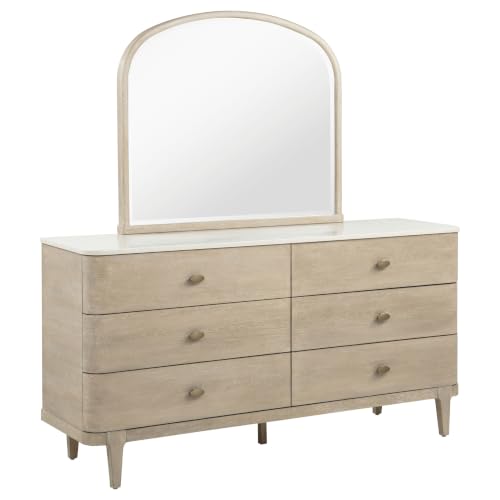
Antique Marble Top Dresser: The Complete Guide
Everything you need to know about antique marble top dressers — from identifying authentic pieces and understanding marble types to sizing, restoration, and choosing the right chest of drawers for your bedroom.
Why an antique marble top dresser? A marble-topped chest of drawers combines old-world craftsmanship with a striking natural stone surface. Whether you are hunting for a Victorian-era piece, a French provincial commode, or an Edwardian mahogany chest, understanding the marble, the wood, and the joinery will help you buy with confidence. This guide walks you through every decision point before you bring one home.
What Defines an Antique Marble Top Dresser?
An antique marble top dresser is a chest of drawers built during a historical period — typically the 18th to early 20th century — and fitted with a natural stone top. Unlike modern reproductions, authentic antiques show hand-cut joinery, aged patina, and period-specific hardware. The marble top is usually a single slab, often with a molded or beveled edge, and it sits on a wooden carcass that has developed character over decades.
Buyers often compare these pieces to a classic antique English chest of drawers or a Chippendale dresser, both of which share the same period construction ethos. If you are also considering a mirror-topped configuration, our guide to an antique dresser with mirror is a useful companion read.
Authentic Marble Slab
Genuine antique tops are solid natural stone — often Carrara, Nero Marquina, or Belgian marble — with veining that cannot be replicated in laminate or resin.
Period Construction
Look for hand-cut dovetail joints, solid wood drawer sides, and hand-forged or cast brass hardware characteristic of the era.
Historical Provenance
Victorian, Edwardian, French provincial, and Louis Philippe styles each carry distinct leg shapes, proportions, and decorative motifs.
Patina & Finish
The wood finish and stone surface show age-related wear — a genuine sign of authenticity that also adds visual warmth.
Popular Period Styles for Marble Top Dressers
Antique marble top dressers appear across several design traditions. Knowing the style helps you match the piece to your bedroom and spot reproductions. The table below summarizes the most common categories and what each is best suited for.
| Style | Typical Features | Best For |
|---|---|---|
| Victorian | Heavy proportions, carved details, mahogany or walnut, dark marble tops | Traditional and formal bedrooms |
| French Provincial | Curved legs, painted or natural wood, soft marble tones, elegant hardware | Romantic and cottage-inspired interiors |
| Edwardian | Lighter silhouettes, satinwood or mahogany, white or gray marble | Bright, airy bedrooms |
| Louis Philippe | Rounded corners, low profile, cherry or walnut, gray-veined marble | Mid-range and high-end tier bedrooms |
| Victorian Marble Chest | Tall chest configuration, multiple drawers, ornate pulls | Primary storage in larger rooms |
For a broader overview of period chests, see our antique English chest of drawers guide. If you prefer a wider silhouette, a wide chest of drawers in a period style can complement a marble top beautifully.
Marble Types You Will Encounter
The marble top is the defining feature of these dressers, and the stone type affects both appearance and care. Here are the most common marbles found on antique pieces:
- Carrara marble: Soft white with gray veining; classic and versatile.
- Nero Marquina: Deep black with white veining; dramatic and formal.
- Belgian marble: Dense black or gray; often used in Victorian pieces.
- Statuario marble: Bold gray veining on white; premium tier and highly sought after.
- Rosso Levanto: Reddish-brown with veining; adds warmth to traditional rooms.
When evaluating a piece, check for chips, cracks, and repairs along the edges. Minor patina is acceptable, but deep cracks can compromise the stone. For a complementary storage solution, consider a wardrobe closet with drawers and shelves.
Sizing Your Antique Marble Top Dresser
Antique dressers were built for rooms with different proportions than modern homes, so measuring your space first is essential. A typical marble top chest measures between 36 and 48 inches wide, with taller chests reaching 50 to 60 inches in height. Narrow bedrooms may suit a tall skinny dresser or a narrow cabinet instead of a wide chest.
For a quick reference, compare your intended placement against these common configurations:
- Standard bedroom chest: 36–48 inches wide, 18–22 inches deep
- Tall chest or tallboy: 30–40 inches wide, 48–60 inches tall
- Wide or lowboy: 50–60 inches wide, 30–36 inches tall
- Bachelor chest: 30–36 inches wide, 30–34 inches tall
If you need additional context, our tall chest of drawers and tall bedroom dressers pages offer detailed dimension guidance. For a more in-depth methodology, read our dresser buying guide.
Materials and Construction Quality
Beyond the marble, the wooden carcass determines how well an antique dresser will function in daily use. Solid wood construction — mahogany, walnut, oak, or cherry — is the gold standard. Hand-cut dovetails, solid drawer bottoms, and smooth-running wooden runners are indicators of professional-grade craftsmanship. Entry-level reproductions often use veneered particleboard, which is less durable.
Hardware matters too. Original brass pulls and escutcheons are a sign of authenticity; replacement hardware is common but should match the period. If you are restoring a piece, our refinishing wood furniture with paint guide explains how to preserve value while refreshing the finish. For related storage, a solid wood armoire with drawers pairs naturally with a marble top chest.
Buying Checklist for Antique Marble Top Dressers
Before committing to a purchase, run through this practical checklist. It will help you distinguish a genuine antique from a reproduction and avoid costly surprises.
- Confirm the marble is natural stone, not laminate or resin composite.
- Inspect drawer joints — hand-cut dovetails signal authentic period construction.
- Test every drawer for smooth movement and check runners for wear.
- Check for structural repairs, especially at the marble-to-wood junction.
- Verify hardware originality or period-appropriate replacements.
- Measure doorways and stairwells before arranging delivery.
- Ask about provenance, restoration history, and any replaced components.
- Review the marble surface under natural light for cracks and repairs.
For a deeper look at quality signals across categories, our dresser reviews hub is a good next step. You may also want to explore reclaimed wood dressers if you like the antique aesthetic with sustainable materials.
Care and Maintenance for Marble Tops
Marble is porous and can stain if liquids sit on the surface. Wipe spills promptly with a soft, damp cloth and avoid acidic cleaners that etch the stone. Use coasters under lamps and vases, and consider a professional sealant application every few years. Wooden carcasses benefit from occasional polishing with a pH-neutral furniture wax.
If you plan to place a jewelry drawer or accessory compartment nearby, a tall dresser with jewelry drawer offers a complementary storage solution. For a coordinated bedroom set, see our guide to bedroom set dresser with mirror.
Ready to compare options? Browse our curated selection of antique marble top dressers and period-inspired chests below. Each listing is chosen to help you evaluate construction, style, and fit for your bedroom.
View Recommended PiecesFrequently Asked Questions
How can I tell if a marble top dresser is truly antique?
Look for hand-cut dovetail joints, period hardware, and a natural marble slab with age-appropriate patina. Reproductions often use uniform machine-cut joints and laminate or resin tops. Provenance and a professional appraisal provide additional confirmation.
What marble types are most common on antique dressers?
Carrara, Nero Marquina, Belgian black, Statuario, and Rosso Levanto are among the most frequently found marbles. The stone type often correlates with the period and region of origin.
Can a marble top be repaired if it cracks?
Minor chips and hairline cracks can be professionally filled and polished. Deep structural cracks may require replacement or reinforcement. Always consult a stone restoration specialist before attempting repairs yourself.
How do I measure my room for an antique chest?
Measure the available wall space, doorway clearances, and the distance from the bed. Allow at least 30 inches of walking space in front of the dresser. Compare your measurements to common antique dimensions — typically 36 to 48 inches wide.
For related reading, explore our guides to bachelor chests, wide chest of drawers, and antique English chest of drawers. If you are furnishing a full bedroom, a bedroom set dresser with mirror or a bedroom dresser and side table set can complete the look.