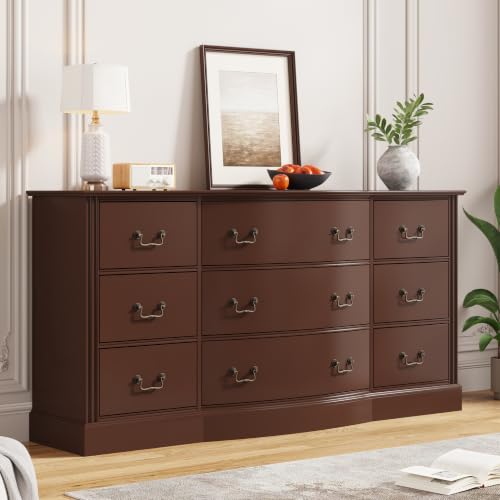
Antique Painted Chest of Drawers: A Complete Buying Guide
From soft farmhouse finishes to bold distressed color, discover how a painted antique chest brings character, storage, and timeless charm to any bedroom.
Start Your ResearchWhy an antique painted chest of drawers? A painted finish transforms an old wooden chest into a statement piece. Whether you love the weathered look of a farmhouse heirloom or the bold color of a refreshed vintage find, painted antiques let you enjoy historic craftsmanship with a modern, personal style — all while adding practical bedroom storage.
What Makes an Antique Painted Chest of Drawers Special?
An antique painted chest of drawers combines historic construction with a decorative painted surface. The paint could be original — applied decades ago and now showing a beautiful patina — or a later refinish that gives the piece a fresh, curated look. Either way, the painted finish sets it apart from bare wood antiques and mass-produced modern furniture.
Collectors and decorators value these pieces for several reasons:
- Character and history: Every brush stroke, worn edge, and layered finish tells a story that new furniture cannot replicate.
- Versatile styling: Painted finishes blend easily with modern, farmhouse, shabby chic, coastal, and eclectic interiors.
- Solid construction: Many antique chests were built with dovetail joints, solid wood drawers, and durable frames that outlast contemporary flat-pack pieces.
- One-of-a-kind appeal: No two hand-painted antiques are exactly alike, making your bedroom truly unique.
If you are new to the category, our broader guide to the antique dresser covers construction basics, wood types, and period styles that apply to painted pieces as well.
Popular Styles of Antique Painted Chests
Painted antiques come in a wide range of looks. Understanding the main styles helps you narrow your search and match the piece to your bedroom decor.
1. Shabby Chic and Distressed Finishes
These pieces feature intentionally worn paint — chipped edges, rubbed corners, and visible wood underneath. The look is romantic and relaxed, pairing beautifully with soft linens, floral accents, and vintage mirrors. A distressed antique chest works especially well in cottage-style bedrooms.
2. Farmhouse and Milk Paint Finishes
Milk paint and chalk-style finishes give antique chests a matte, chalky texture with subtle color variation. Classic farmhouse colors include creamy white, sage green, and soft gray. These chests feel warm and grounded, ideal for rustic or country-inspired rooms. Explore our antique white dressers for sale selection for similar inspiration.
3. Bold Color Statements
Some antique chests are repainted in saturated colors — navy blue, mustard yellow, deep teal, or coral. A bold painted chest becomes the focal point of the bedroom and pairs well with neutral walls and simple bedding. If you prefer a more understated approach, browse our antique style chest of drawers guide for transitional options.
4. French and Provincial Painted Pieces
French provincial chests often feature carved details and soft painted finishes in cream, gray, or pale blue. These elegant pieces bring a refined European touch to the bedroom. See our antique French chest of drawers article for a deeper dive into this style.
5. Original Paint vs. Repainted
Original painted surfaces that have aged naturally are prized by collectors for their authenticity. Repainted pieces, on the other hand, let you choose a color that fits your room. Neither is inherently better — it depends on whether you prioritize historical integrity or personal style. Just inspect the paint quality carefully in either case.
💡 Quick Tip: Look Beneath the Paint
A painted finish can hide repairs, wood damage, or even inferior materials. Always inspect drawer interiors, the back panel, and the underside of a painted chest before you commit.
How to Evaluate an Antique Painted Chest Before You Buy
Because paint obscures the wood beneath, buying a painted antique requires a slightly different checklist than buying a bare wood piece. Use the following criteria to separate well-built heirlooms from decorative imitations.
Construction and Joinery
- Dovetail joints: Look inside the drawers. Hand-cut dovetails (irregular spacing) suggest older, higher-quality construction. Machine-cut dovetails are common in mid-20th-century pieces and still indicate solid build.
- Solid wood drawers: Drawer sides and bottoms should be solid wood, not particleboard or thin plywood. Painted drawer interiors are a warning sign — they may hide stains or repairs.
- Frame integrity: Gently rack the chest (push one corner and pull the opposite) to check for wobble. A sturdy antique should feel solid with minimal movement.
- Dust boards: The horizontal boards between drawers protect clothing from dust and add structural strength. Their presence is a mark of quality.
Paint Condition and Finish
- Adhesion: Run your hand over the surface. Paint should not flake or chalk off easily. Peeling paint may indicate moisture problems or poor prep work.
- Layering: Some antiques have multiple layers of paint. Thick, uneven layers can hide carving details and may crack over time.
- Lead paint caution: Antiques painted before the 1970s may contain lead. If the finish is intact, risk is low, but avoid pieces with heavily chalking or peeling paint in nurseries or children's rooms.
- Hardware: Original hardware (brass pulls, wooden knobs) adds authenticity. Mismatched or missing hardware is not a dealbreaker but factor it into your restoration plans.
Size and Proportion
Measure your space before shopping. Antique chests were built for different room proportions than modern homes, so verify that the piece fits your wall, doorway, and stairwell. For tall options, see our antique tall dresser guide, and for compact spaces, review antique narrow chest of drawers options.
Painted Antique vs. Other Chest Styles
Use this comparison to understand where a painted antique fits relative to other options on the market.
| Category | Best For | Notable Traits |
|---|---|---|
| Antique painted chest | Character-driven bedrooms, cottage and farmhouse decor | One-of-a-kind finish, solid joinery, vintage charm |
| Bare wood antique chest | Traditional and formal interiors | Visible grain, period authenticity, refinishing potential |
| Antique-style new chest | Modern homes needing vintage look without restoration | Uniform finish, easier maintenance, consistent sizing |
| Mid-century painted chest | Retro and eclectic bedrooms | Cleaner lines, bold color potential, lighter proportions |
Styling a Painted Antique Chest in Your Bedroom
A painted antique chest is more than storage — it is a design anchor. Here are practical ways to style one in different bedroom settings.
Farmhouse Bedroom
Pair a cream or sage painted chest with white shiplap walls, a linen-upholstered bed, and woven baskets on top. Keep hardware simple and add a vintage mirror above the chest. Our antique dressers with mirrors collection offers matching inspiration.
Shabby Chic Bedroom
Choose a distressed white or pale pink chest and layer it with fresh flowers, stacked books, and a ruffled lamp shade. Soft textures and pastel bedding complete the romantic look.
Modern Eclectic Bedroom
A bold navy or teal painted chest creates contrast against white walls and minimal bedding. Add a sculptural lamp and a piece of abstract art above it. This approach works well in apartments and smaller rooms.
Coastal Bedroom
Soft blue or weathered gray painted chests evoke a seaside feel. Pair with white bedding, natural fiber rugs, and driftwood accents. The painted finish hides wear from humid coastal climates better than bare wood.
Nursery and Kids' Room
Painted antiques can work in nurseries if the finish is intact and lead-safe. Anchor the chest to the wall and add drawer stops. For more ideas, see our antique white dresser and nightstands guide.
Caring for a Painted Antique Chest
Painted finishes need gentle care to stay beautiful for decades. Follow these maintenance guidelines:
- Dust regularly: Use a soft, dry cloth or microfiber duster. Avoid abrasive pads that can dull the finish.
- Clean with care: Wipe with a slightly damp cloth and mild soap only when needed. Dry immediately. Never soak the surface.
- Avoid direct sunlight: Prolonged UV exposure can fade painted finishes and cause cracking. Position the chest away from strong windows or use curtains.
- Control humidity: Painted wood expands and contracts with moisture changes. Keep indoor humidity stable to prevent paint from cracking or flaking.
- Touch up thoughtfully: Small chips can be touched up with matching paint, but avoid repainting original finishes that have historical value.
- Protect the top: Use coasters, felt pads, and a table runner to prevent scratches and water rings.
For broader furniture care guidance, see our dresser cleaning guide.
Where to Find Antique Painted Chests
Painted antiques appear in many channels. Each has trade-offs in selection, condition, and buying experience.
Antique Shops and Fairs
Local dealers and antique fairs let you inspect the piece in person. You can check drawer action, paint adhesion, and structural integrity before buying. Build a relationship with a dealer who specializes in painted furniture.
Online Marketplaces
Online listings offer broader selection but require careful photo review. Ask for close-ups of drawer joints, the back panel, and any damaged areas. Review our antique dressers for sale guide for online buying tips.
Estate Sales and Auctions
Estate sales often feature painted chests at competitive positions in the market. Inspect before bidding and confirm pickup logistics, since these pieces are heavy and bulky.
Restoration Specialists
Some dealers restore and repaint antiques professionally. These pieces command a higher tier position in the market but arrive ready to use, with structural repairs and a durable finish already completed.
For related styles, explore antique pine dresser and antique oak dressers for sale collections, which are frequently repainted.
💡 Buying Checklist
Bring a tape measure, a flashlight (to inspect drawer interiors), and a small level. Ask the seller about paint history, repairs, and whether the piece has been treated for pests.
Frequently Asked Questions
Is it okay to repaint an antique chest of drawers?
Yes, repainting is common and can refresh a worn piece. However, if the chest has original paint with historical value, consult a conservator before repainting. For most decorative antiques, a quality repaint preserves usability and style.
How can I tell if painted furniture is truly antique?
Check joinery (hand-cut dovetails), hardware style, wood species, and signs of wear in expected places. Paint can hide age, so inspect drawer interiors, the back, and the underside where original wood is often visible.
Does paint reduce the value of an antique?
It depends on the piece. Original painted surfaces in good condition are valued by collectors. Later repaints can reduce value for high-end antiques but are acceptable for decorative pieces. Consider the piece's tier in the market before refinishing.
What is the best paint for an antique chest?
Milk paint, chalk-style paint, and high-quality water-based furniture paint are popular choices. Proper surface preparation — cleaning and light sanding — matters more than the specific brand. A topcoat improves durability.
Can a painted antique chest be used in a nursery?
Yes, with precautions. Ensure the paint is intact and lead-safe, anchor the chest to the wall, and add drawer stops. Avoid pieces with peeling or chalking paint in rooms where children spend time.
How do I match a painted chest to my bedroom style?
Start with your existing color palette and dominant style. Soft neutrals suit farmhouse and coastal rooms, while bold colors work in eclectic and modern spaces. Bring fabric swatches or paint chips when shopping.
Ready to Find Your Painted Antique Chest?
Explore our curated recommendations below and compare styles, construction quality, and finish options to choose the perfect piece for your bedroom.
Explore Recommendations