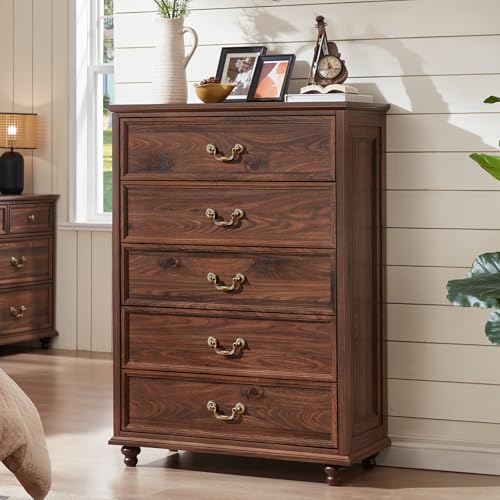
Antique Tall Dresser: A Complete Guide to Timeless Vertical Storage
Everything you need to know about antique tall dressers — from identifying genuine period pieces and choosing the right wood to placement, care, and styling for a bedroom that feels collected rather than decorated.
An antique tall dresser is more than a place to fold shirts. It is a piece of furniture with a past — a vertical chest of drawers that has survived decades (often a century or more) and still earns its place in a modern bedroom. Also called a tallboy or highboy depending on proportions, the antique tall dresser solves a problem that never goes out of style: how to store a lot of clothing in a small footprint while making the room feel intentional and warm.
If you have been researching this category, you already know roughly what you want. What you likely still need is clarity: which styles exist, which woods hold up, how many drawers are practical, how to spot a genuine antique versus a reproduction, and how to place and care for a tall piece safely. This guide answers those questions in plain language so you can move from research to a confident decision.
What Exactly Is an Antique Tall Dresser?
An antique tall dresser is a vertically oriented chest of drawers, typically standing between four and six feet high with five to nine drawers stacked in a narrow footprint. In antique trade terminology, the form overlaps with the tallboy (a tall chest, often with a top section) and the highboy (a tall chest on legs). The defining trait is proportion: height far exceeds width, which is why these pieces work so well in rooms where floor space is limited but ceiling height is generous.
The word “antique” is not a style label — it is an age claim. Strictly speaking, a piece should be at least one hundred years old to be called a genuine antique. In practice, the market also uses the term loosely for vintage and antique-style pieces. Knowing this distinction matters because it affects construction quality, repairability, and how you should care for the piece. If you want a broader overview of the category, our guide to the antique dresser covers the full spectrum of forms, while this page focuses specifically on the tall variant.
Why Choose a Tall Antique Dresser?
A tall antique dresser offers practical and aesthetic advantages that modern flat-pack furniture rarely matches:
- Vertical storage efficiency. A narrow footprint with five to nine drawers stores a full wardrobe in the space of a single armchair. Ideal for small bedrooms and apartments.
- Solid construction. Genuine antique tall dressers were built from solid hardwoods with joinery designed to last generations — a long-term investment rather than a disposable purchase.
- Character and patina. Age gives these pieces a depth of color, softened edges, and surface history that new furniture cannot replicate.
- Repairability. Solid wood can be refinished, re-glued, and re-hardwared. Many antique pieces outlive their owners and remain serviceable.
- Design flexibility. A tall antique dresser works as a bedroom anchor, a hallway statement, or a bathroom storage piece, bridging traditional and contemporary interiors.
Antique Tall Dresser Styles to Know
Tall antique dressers come in distinct regional and period styles. Understanding these helps you match a piece to your room and recognize value:
English Tallboy
Often built in mahogany or walnut with a flat top, canted corners, and brass hardware. English tallboys favor restrained elegance and are among the most collected tall dressers. See our guide to the antique English chest of drawers for regional detail.
American Highboy
Characterized by a narrower top section over a wider lower body, frequently on bracket feet. Popular in Colonial Revival interiors. Compare forms in our antique highboy dresser overview.
French Provincial Tall Chest
Curved lines, carved details, and painted or fruitwood finishes. French provincial tall chests bring softness to a room and pair well with upholstered bedding. Explore the antique French chest of drawers style.
Painted Country Tall Dresser
Pine or poplar bodies with layers of aged paint, often in cream or soft blue. These pieces add instant cottage character. Learn more about the antique painted chest of drawers look.
Oak Tall Chest
Heavy, durable, and often Victorian or Arts and Crafts in origin. Oak tall dressers are the workhorses of the antique category. See antique oak dressers for typical construction.
Mahogany Tall Dresser
Rich reddish-brown wood with fine grain, often with inlay or flame veneers. Mahogany tall dressers read as premium and formal. Our antique mahogany dresser guide covers the details.
Anatomy of a Quality Antique Tall Dresser
When evaluating a tall antique dresser, inspect construction rather than surface appearance. The following features separate a well-built piece from a fragile one:
| Feature | What to Look For | Why It Matters |
|---|---|---|
| Drawer joints | Hand-cut dovetails, tight and slightly irregular | Signals genuine period construction and long-term durability |
| Drawer runners | Wood-on-wood guides, worn but smooth | Indicates original mechanics; easier to repair than modern slides |
| Secondary wood | Pine or poplar drawer sides and bottoms | Confirms traditional construction; avoids plywood reproductions |
| Hardware | Period-appropriate pulls with matching wear and patina | Original hardware supports authenticity and value |
| Case joinery | Mortise-and-tenon or doweled frames, tight and square | Structural integrity for a tall, top-heavy piece |
| Feet | Original bracket, bun, or turned feet in good condition | Feet bear the load; replacements reduce authenticity |
Wood Types in Antique Tall Dressers
Wood choice affects appearance, durability, and care requirements. The most common antique tall dresser woods are:
- Mahogany — dense, stable, and richly colored. Common in premium English and American tallboys. Ages to a deep reddish-brown and takes polish beautifully.
- Walnut — warm brown with dramatic grain. Frequently used in French and American pieces. Walnut tall dressers are often mid-tier to high-end tier in the antique market.
- Oak — exceptionally durable and heavy. Common in Victorian and country pieces. Oak tall dressers are practical workhorses that handle daily use well.
- Cherry — fine-grained and warm, darkening with age. Often found in American highboys and country furniture.
- Pine — softer and lighter, often painted. Common in country tall chests; check for dents and wear, which are normal for the material.
For a deeper comparison of specific woods and finishes, browse the full materials and finishes section.
Antique Tall Dresser Sizing Guide
Because tall dressers are vertical, height and drawer count matter more than width. Use this reference to plan placement:
| Category | Typical Height | Typical Drawer Count | Best For |
|---|---|---|---|
| Compact tall chest | 48–52 inches | 5 drawers | Small bedrooms, guest rooms |
| Standard tall dresser | 52–56 inches | 6–7 drawers | Primary bedrooms, dressing areas |
| Full tallboy | 56–60 inches | 7–9 drawers | Large bedrooms, collectors |
| Highboy | 60+ inches | 8–10 drawers | Statement pieces, period interiors |
For a broader planning reference that includes widths and clearances, see our dresser size guide. If space is tight, consider a narrow antique chest of drawers which keeps the tall proportion in an even slimmer footprint.
Genuine Antique vs. Reproduction: How to Tell
The market for tall dressers includes genuine antiques, vintage pieces, and modern reproductions. Here is how to distinguish them before you commit:
Genuine Antique Signs
- Hand-cut dovetails with slight irregularity
- Patina and wear consistent with age and use
- Original hardware with matching oxidation
- Hand-planed drawer bottoms and backs
- Wood shrinkage and age cracks in secondary wood
- Layered finish or paint history
Reproduction Signs
- Uniform machine-cut dovetails or staples
- Perfectly even finish with no wear
- Modern hardware with bright plating
- Plywood or MDF drawer components
- Identical distressing applied mechanically
- Factory labels or barcodes
If you want period-specific detail, our guide to antique dressers from the early 1900s explains construction shifts around the turn of the century. For mirrors and companion pieces, see antique dressers with mirrors.
How to Place an Antique Tall Dresser
Tall dressers are top-heavy by design, so placement and anchoring deserve attention:
- Anchor to the wall. Always use an anti-tip strap or wall anchor, especially in homes with children or pets.
- Choose a solid wall. Plaster or drywall with proper anchors is fine; avoid unsupported partition walls for heavy pieces.
- Keep away from direct sun. UV light fades wood and dries finishes; place away from windows or use UV-filtering blinds.
- Avoid heat sources. Radiators and vents can warp drawers and crack veneers over time.
- Allow drawer clearance. Leave at least 24 inches in front of the dresser for full drawer extension.
- Mind the ceiling. In rooms with low ceilings, a tall dresser can feel heavy; balance with a mirror or open wall space above.
For room-specific inspiration, our bedroom dresser ideas collection shows how tall pieces anchor a room.
Caring for an Antique Tall Dresser
Antique furniture rewards gentle, consistent care. Follow these practices to preserve finish and structure:
- Dust regularly with a soft, slightly damp cloth. Avoid silicone-based polishes that build up residue.
- Use paste wax sparingly once or twice a year on finished wood to maintain sheen and protection.
- Control humidity. Keep indoor humidity between 40 and 55 percent to prevent drawer swelling and veneer lifting.
- Lubricate drawer runners with paraffin or a dedicated wood-runner lubricant when drawers stick.
- Address loose joints early. A professional can re-glue joints before structural damage spreads.
- Avoid harsh cleaners. Never use ammonia or abrasive pads on antique finishes.
Antique Tall Dresser Buying Checklist
Before you commit, run through this practical checklist. It is designed for a buyer who has already narrowed the field and wants to avoid costly mistakes:
If you are shopping specifically for available pieces, browse antique dressers for sale and antique wooden chests for sale to compare options across styles and tiers.
Market Tiers in Antique Tall Dressers
Antique tall dressers fall into recognizable market tiers. Understanding these helps you set expectations and compare pieces fairly:
| Tier | Typical Characteristics | Best For |
|---|---|---|
| Entry-level | Country pine or basic oak, later period, some repairs, simpler hardware | First antique purchase, casual rooms |
| Mid-range | Solid oak or walnut, good original hardware, minor restoration | Everyday bedroom use, balanced collectors |
| Premium | Mahogany or fine walnut, original dovetails, strong patina | Primary bedrooms, design-led interiors |
| Luxury / museum tier | Rare period tallboys, documented provenance, exceptional condition | Serious collectors, period homes |
Tier descriptors are relative and reflect market positioning rather than absolute value. A well-maintained entry-level tall dresser can serve a household for decades, while a premium piece is a long-term investment in both utility and character.
Related Antique Forms Worth Considering
If a tall dresser is not quite the right fit, these related antique forms offer similar storage with different proportions:
- Antique lowboy dresser with mirror — lower height, wider top, often paired with a mirror.
- Antique marble top dresser — adds a durable, elegant surface for display.
- Antique wooden chest of drawers — the broader category for wooden drawer storage.
- Antique-style chest of drawers — reproductions with period-inspired detailing.
- Antique-looking chest of drawers — modern pieces with aged finishes.
- Antique miniature chest of drawers — small-scale accent storage.
For companion storage, pair a tall dresser with a bedroom dresser and nightstand set or explore antique white dresser and nightstands for a coordinated look.
Frequently Asked Questions
What defines an antique tall dresser?
An antique tall dresser is a vertically oriented chest of drawers, typically standing four to six feet high with five to nine stacked drawers. Genuine antiques are generally pieces at least one hundred years old, often built from solid hardwoods with hand-cut joinery and period-specific hardware.
How tall should an antique tall dresser be?
Most antique tall dressers range from forty-eight to sixty inches in height. A piece around fifty inches suits average-height users comfortably, while taller models above fifty-five inches maximize vertical storage in compact rooms.
Which woods are common in antique tall dressers?
Mahogany, oak, walnut, cherry, and pine are the most common woods. Mahogany and walnut typically signal premium period craftsmanship, oak is prized for durability, and pine is common in painted country pieces.
How can I tell a genuine antique from a reproduction?
Check for hand-cut dovetail joints, uneven patina, aged hardware with matching wear, hand-planed drawer bottoms, and signs of traditional construction. Reproductions often use machine-cut joints and uniform finishes.
Where should I place an antique tall dresser?
Place it against a solid interior wall away from direct sunlight and heat sources. Anchor it to the wall for safety, and leave clearance for drawer extension. Bedrooms, dressing rooms, and entryways all suit a tall antique dresser well.