
Antique English Chest of Drawers: The Complete Guide
From Georgian elegance to Victorian craftsmanship — learn how to identify, evaluate, and choose an authentic antique English chest of drawers that will last for generations.
Explore the Buying GuideAn antique English chest of drawers is more than bedroom storage — it is a piece of furniture history. Whether you are furnishing a period home, adding character to a modern bedroom, or starting a collection of English antique furniture, understanding the styles, materials, and construction methods of these pieces is essential before you make a decision.
This guide walks you through the major periods of English chest-of-drawers design, the woods and joinery that signal quality, the difference between a chest of drawers and a tallboy, and the practical checks that separate a genuine antique from a later reproduction. By the end, you will be equipped to evaluate any piece you encounter with confidence.
What Is an Antique English Chest of Drawers?
In English furniture terminology, a chest of drawers is a case piece with a stack of horizontal drawers, typically between three and five, used for storing clothing and linens. The form has been a staple of English bedroom furniture since the late 17th century, evolving through the William and Mary, Queen Anne, Georgian, Regency, and Victorian periods.
Strictly speaking, "antique" generally means a piece at least 100 years old. An English chest of drawers from the Georgian or Victorian era therefore qualifies, while mid-20th-century pieces are better described as vintage. When shopping, the term "antique English chest of drawers" usually refers to pieces made between roughly 1700 and 1920.
Quick definition: A chest of drawers is a low-to-mid-height storage piece with horizontal drawers. A tall chest of drawers extends the same form upward, often with six or more drawers. A tallboy is the tallest variant, sometimes split into two sections with a cornice or secretarial top.
Major Periods and Styles to Know
The character of an English chest of drawers changes dramatically across periods. Recognizing these styles helps you date a piece and judge whether it is a faithful example of its era.
| Period | Approximate Era | Signature Features | Best For |
|---|---|---|---|
| William & Mary | Late 17th – early 18th century | Walnut veneer, bun feet, elaborate marquetry, dome tops | Collectors seeking early formal pieces |
| Queen Anne | Early 18th century | Cabriole legs, pad feet, walnut, graceful curves | Period interiors and classic bedrooms |
| Georgian | 18th – early 19th century | Mahogany, bracket feet, brass swan-neck handles, clean lines | Elegant traditional bedrooms |
| Regency | Early 19th century | Satinwood, rosewood, brass inlay, splayed legs, lighter forms | Refined, decorative interiors |
| Victorian | Mid – late 19th century | Mahogany and walnut, heavy proportions, carved details, marble tops | Statement pieces and family heirlooms |
| Edwardian | Early 20th century | Mahogany, satinwood, inlaid bands, lighter silhouettes | Transitional classic-to-modern rooms |
Woods and Materials Used in English Antique Chests
The wood tells you a lot about a piece's age, origin, and quality. English cabinetmakers favored dense hardwoods for drawer fronts and carcasses, with secondary woods for interiors and backs.
- Mahogany: The dominant wood of the Georgian and Victorian eras. Cuban and Honduran mahogany were prized for their deep color and fine grain. Mahogany pieces are heavy, warm in tone, and take carving beautifully.
- Walnut: Common in Queen Anne and early Georgian work, often with figured veneers. Walnut chests tend to feel slightly lighter in visual weight than mahogany.
- Oak: Used in earlier and country pieces. Oak chests are sturdy and often simpler in decoration, making them a good entry point into antique English furniture.
- Satinwood: A Regency favorite, satinwood has a pale golden sheen and was often combined with painted or inlaid decoration.
- Rosewood: Dense and dark, used for high-style Regency and Victorian pieces, often with brass inlay.
Look at the drawer sides and backboards too. Period makers used secondary woods such as pine, cedar, or oak for interiors, and the quality of those secondary woods is a reliable indicator of overall craftsmanship. If you prefer a warmer, more rustic look, a reclaimed wood dresser can deliver similar character with a more contemporary footprint.
Construction and Quality Checks
Antique English chests were built to last, and the joinery is one of the best ways to assess authenticity and quality. Here is what to look for when you inspect a piece.
- Dovetail joints: Hand-cut dovetails are irregular and tapered; machine-cut dovetails are uniform and evenly spaced. Hand-cut joints on the drawer fronts and sides suggest an older, higher-quality piece.
- Drawer bottoms: Period drawers often use solid wood bottoms with a slight bevel, set into a groove rather than stapled. Look for signs of hand-planing on the underside.
- Backboards: Original backs are usually made from rough-sawn boards. A uniform, smooth backboard can indicate later repair or reproduction.
- Hardware: Brass handles should sit in original holes. Extra holes around a handle often mean the hardware was replaced, which is common but should be noted.
- Feet and legs: Bracket feet, bun feet, and cabriole legs should be checked for repairs. Look for matching patina and grain continuity where a leg meets the carcass.
- Patina: Genuine age produces a soft, uneven sheen. A too-uniform finish can signal refinishing or a modern reproduction.
Pro tip: Bring a small flashlight and a magnet. A flashlight reveals repairs and old woodworm holes inside drawers. A magnet will stick to steel hardware but not to brass, helping you assess whether fittings are period-appropriate.
Chest of Drawers vs Tallboy vs Bachelor Chest
English furniture uses several related terms, and understanding them helps you search more precisely.
- Chest of drawers: The standard form, usually waist height with three to five drawers. Ideal as a bedroom storage anchor or a hallway console.
- Tallboy: A tall chest, often in two sections, with six or more drawers. It maximizes vertical storage in smaller rooms. See our guide to tall 8-drawer dressers for modern equivalents.
- Bachelor chest: A compact chest, historically used in bachelor quarters, typically three or four drawers with a folding or brushing slide. Browse bachelor chests for compact options.
- Lingerie chest: A narrow, tall chest with many shallow drawers, historically used for linens and intimate apparel.
If you are furnishing a guest room or a smaller bedroom, a tall skinny dresser offers antique-style verticality in a space-conscious footprint. For a full comparison of forms, our dresser buying guide covers the practical differences between chests, dressers, and armoires.
Restoration and Care
Antique English chests benefit from gentle, consistent care. Avoid aggressive cleaning products, which can strip patina and damage veneers. Dust with a soft cloth, use a wax-based polish sparingly, and keep the piece away from direct heat and prolonged sunlight.
If a piece needs cosmetic work, consider reversible treatments first. Refinishing should be a last resort for antiques, as it can reduce historical value. For guidance on gentle cosmetic updates, see our article on refinishing wood furniture with paint, and remember that professional conservation is the safest route for valuable pieces.
Drawer slides and handles are the most common wear points. Waxing wooden runners with a candle stub or paraffin improves glide without altering the piece. For locking drawers or replacing worn hardware, heavy-duty locking drawer slides can be adapted in some restoration projects, though period-appropriate replacements are preferable for antiques.
How to Choose an Antique English Chest of Drawers
Antique pieces vary enormously in condition, rarity, and craftsmanship. Use the following tier framework to calibrate your expectations and focus your search. The tiers describe market positioning and craftsmanship, not any specific figure.
Entry-Level Tier
Country oak or later mahogany chests with visible repairs. Good for a first antique purchase or a rustic interior. Expect simpler decoration and heavier wear.
Mid-Range Tier
Solid Georgian or Victorian mahogany chests in good original condition. Reliable joinery, period hardware, and a settled patina. A balanced choice for most homes.
High-End Tier
Fine examples with documented provenance, exceptional veneers, or rare forms such as satinwood Regency pieces. Suitable for collectors and period interiors.
When comparing pieces, prioritize structural integrity over cosmetic perfection. A chest with a sound carcass, functional drawers, and original feet is a better long-term investment than a cosmetically flawless piece with hidden repairs.
Measure your space first. Antique chests were built for rooms of a different era, and dimensions vary widely. A 45-inch wide dresser is a useful reference point for many period pieces, while a 48-inch wide dresser suits larger bedrooms. If you are pairing the chest with a bed, consider a coordinated bedroom dresser and side table set for a unified look.
Where an Antique English Chest Works Best
These pieces are remarkably versatile. In the bedroom, a mahogany chest anchors the room and pairs naturally with a dresser with mirror. In a hallway, a low chest works as a console with a tray for keys and mail. In a living room, a storage dresser for the living room can hold table linens, games, and media.
For a period-inspired bedroom, combine an antique English chest with a Shaker dresser or a simpler solid wood 6-drawer dresser for a layered, collected look. If you are building a full bedroom set, browse our dresser reviews for guidance on pairing antique and modern storage.
Frequently Asked Questions
What woods are most common in antique English chest of drawers?
Mahogany is the most common, followed by walnut, oak, and satinwood. Georgian and Victorian pieces frequently use mahogany, while earlier pieces may feature oak or walnut.
How can I tell if an antique English chest of drawers is authentic?
Look for hand-cut dovetail joints, period-appropriate hardware, patina consistent with age, and maker's marks. Seek professional appraisal for valuable pieces.
What is the difference between a chest of drawers and a tallboy?
A chest of drawers typically sits at waist height with three to five drawers, while a tallboy is a taller chest, often with six or more drawers, sometimes split into two sections.
Should I refinish an antique chest of drawers?
Refinishing should be a last resort. Preserving original patina maintains historical value. For cosmetic updates, prefer reversible treatments and consult a professional conservator for valuable pieces.
Where can I place an antique English chest in a modern home?
Bedrooms, hallways, and living rooms all work well. A low chest can serve as a console or sideboard, while a taller piece suits a bedroom storage anchor position.
Ready to Bring Home a Piece of English Craftsmanship?
Browse our curated recommendations for antique-style and heirloom-quality chests of drawers below.
View RecommendationsRecommended Antique English Chest of Drawers & Storage
⚠️ AFFILIATE DISCLOSURE: This website contains affiliate links. As an Amazon Associate, we earn from qualifying purchases. If you make a purchase through these links, we may receive a small commission at no additional cost to you. Read our full affiliate policy.

chartustriable Farmhouse 12 Drawer Dresser for Bedroom, 63” Wood Chest of Drawers with Rustic Handles, Wide Closet Dressers Organizer, Living Room, Hallway, Bedroom Furniture, Antique White
Check price on Amazon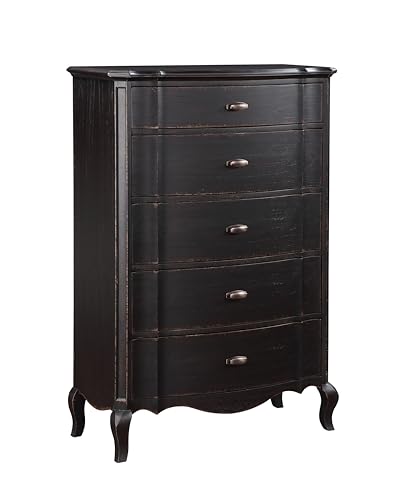
Acme Chelmsford 5-Drawer Chest in Antique Black
Check price on Amazon
5-Drawer 47" Tall Fluted Dresser, Vertical Chest of Drawers,Walnut | Vintage Dark Brown Wood-Look, Freestanding Vertical Organizer, Antique Pulls, For Bedroom, Living Room, Closet, Hallway
Check price on Amazon
VVFLU Farmhouse 8 Drawer Dresser for Bedroom, 54" Wide Wood Dresser with Natural Texture, Vintage Metal Double Hand Knobs, Rustic Chest of Drawers for Bedroom, Living Room, Hallway, Antique White
Check price on Amazon
Coaster Kauffman 5-Drawer Bedroom Chest of Drawers Dark Cocoa 204395 | 5 drawers with English dovetails and Kenlin glides; antique brass pulls
Check price on Amazon
ACME Chelmsford Chest - 26056 - Antique Taupe
Check price on Amazon
BOSHIRO Farmhouse 4 Drawer Dressers for Bedroom | Tall Chest of Drawers with Carved Wood Pilasters, Dressers Organizer for Bedroom, Antique White
Check price on Amazon