Antique French Dresser: Complete Buying & Style Guide
Explore the timeless elegance of French antique dressers — from Louis Philippe and French Provincial styles to painted Country pieces. Learn how to identify authentic craftsmanship, evaluate condition, and choose a dresser that elevates your bedroom.
Start the GuideWhy French antique dressers endure: Their graceful curves, refined proportions, and hand-finished details make them a focal point in any bedroom. Whether you prefer a painted French Country chest or a mahogany Louis Philippe commode, understanding construction and provenance is the key to a confident purchase.
What Is an Antique French Dresser?
An antique French dresser is a wooden chest of drawers crafted in France before the mid-20th century. Unlike the straightforward lines of many American or English chests, French dressers are celebrated for their flowing curves, cabriole legs, scalloped aprons, and ornamental hardware. The category encompasses several distinct styles, each with its own personality and construction hallmarks.
Collectors and decorators often use the terms commode and chiffonnière interchangeably with dresser, though traditionally a commode is a low chest with two or three drawers, while a chiffonnière is a taller, narrower piece. If you are exploring the broader market, our guide to antique dressers provides a helpful overview of categories and eras.
French antique dressers are typically made from oak, walnut, cherry, or mahogany. Many Provincial pieces feature fruitwood solids with subtle carvings, while high-end Parisian examples may include marquetry, marble tops, or ormolu mounts. Painted finishes — especially soft greys, creams, and blues — are common in French Country and Provincial styles, often with a gently distressed patina that adds warmth to a room.
Key French Dresser Styles to Know
Understanding the major French styles helps you narrow your search and recognize value. The most commonly encountered antique French dressers fall into the following categories:
Louis Philippe (1830–1848)
Clean, gently curved lines with a slightly bow-front profile, rounded corners, and simple ring pulls or keyhole escutcheons. Louis Philippe dressers are often mahogany or walnut and feel understated yet elegant. They pair well with both traditional and transitional interiors.
French Provincial (17th–19th century, revived later)
Country-made furniture from outside Paris, typically in walnut, cherry, or fruitwood. Provincial dressers feature hand-carved details, scalloped aprons, and graceful cabriole legs. Many were later painted, making them a favorite for French Country and shabby-chic interiors.
Louis XV / Rococo
Ornate and curvaceous, with bombe fronts, elaborate carvings, and often marble tops. Authentic Louis XV pieces are rare and valuable; many later reproductions capture the look. If you love this silhouette, our guide to antique French chest of drawers explores the chest format in more depth.
French Country / Painted Provincial
Painted finishes in soft greys, creams, and blues, often with a gently worn patina. These pieces are popular for their approachable elegance and blend beautifully with rustic and cottage décor. Look for solid joinery beneath the paint.
If you are comparing dresser formats, our article on antique dressers with mirrors can help you decide whether a mirror-topped piece suits your space.
Materials, Joinery & Hardware
Quality in an antique French dresser is revealed in its construction. Hand-cut dovetail joints, solid wood drawer sides, and hand-forged hardware are strong indicators of authentic craftsmanship. Machine-cut dovetails or Phillips-head screws suggest later production or reproduction.
Common woods include:
- Walnut — rich, dark grain; common in Provincial and Louis Philippe pieces.
- Oak — sturdy and widely used in country furniture.
- Cherry and fruitwood — warm tones, often found in Provincial dressers.
- Mahogany — favored for finer city-made pieces, sometimes with veneers.
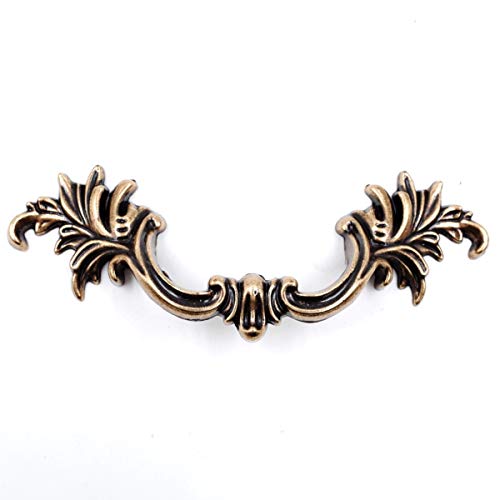
Hardware is another tell. Original brass pulls, escutcheons, and keyhole covers often show wear consistent with age. Replacements are common, so check whether the holes align with the pulls. For a deeper look at wood options, see our guide to antique mahogany dressers.
How to Evaluate an Antique French Dresser
Condition drives both enjoyment and long-term care. Use this checklist when inspecting a piece in person or reviewing detailed photos online:
Inspection Checklist
- Joinery: Look for hand-cut dovetails and tight joints; avoid drawers that wobble or bind.
- Drawer action: Open and close each drawer — smooth movement suggests sound construction.
- Patina: Uneven, warm patina is a good sign; uniform synthetic finishes may indicate refinishing.
- Hardware: Check for original pulls and escutcheons; mismatched holes suggest replacements.
- Legs and feet: Look for repairs, splits, or replaced feet.
- Wood shrinkage: Minor shrinkage is normal; large gaps may signal structural issues.
- Odor and pests: Musty smells or frass (wood dust) can indicate moisture or insect activity.
- Marble tops: Check for cracks and chips; marble is repairable but adds care requirements.
If a marble top is part of the appeal, our article on antique marble top dressers covers care and authenticity considerations. For taller storage, see antique tall dressers.
Buying Guide: Sizing, Placement & Budget Tiers
Before you shop, measure your space and plan the dresser's role. A French dresser can serve as a bedroom focal point, a hallway console, or a dining room sideboard. Consider drawer depth, height, and whether you need a mirror.
Use the table below to compare common tiers and use cases. Tier descriptors reflect market positioning and craftsmanship rather than any specific figure.
| Tier | Typical Characteristics | Best For |
|---|---|---|
| Entry-level / starter tier | Simpler joinery, later production or reproduction, painted finishes with less patina | First-time buyers, casual décor, guest rooms |
| Mid-range / balanced tier | Solid wood construction, hand-cut dovetails, original or period-correct hardware | Primary bedrooms, collectors building a core collection |
| Premium / high-end tier | Fine woods, marble tops, ornate carving, documented provenance | Statement pieces, formal bedrooms, investment collectors |
| Luxury / flagship tier | Rare signed pieces, museum-quality condition, important maker marks | Serious collectors, heritage interiors |
When comparing pieces, focus on construction and condition rather than cosmetic trends. A well-built mid-tier dresser often outlasts a heavily decorated entry-level piece. If you are shopping for a painted finish, our guide to antique painted chest of drawers offers useful context.
For sourcing options, browse antique dressers for sale and antique French dressers. If you prefer a specific wood or silhouette, explore antique oak dressers for sale or antique white dressers for sale.
Care & Maintenance
Antique French dressers reward gentle care. Dust with a soft, dry cloth and avoid silicone-based polishes. Use a mild wood conditioner sparingly on unpainted surfaces; painted finishes should be cleaned with a barely damp cloth and dried immediately. Keep the piece away from direct sunlight and radiators to prevent fading and cracking.
Humidity swings are the enemy of antique wood. Aim for a stable indoor environment and avoid placing the dresser in damp basements or against exterior walls. When moving the piece, lift rather than drag to protect legs and joints. For related storage pieces, see antique wooden chest of drawers.
Styling an Antique French Dresser
French dressers are natural focal points. A few styling principles help them shine:
- Keep the top restrained: A small tray, a lamp, and one or two decorative objects let the wood and hardware speak.
- Mix eras: Pair a Provincial dresser with modern art or a clean-lined mirror for contrast.
- Respect scale: A tall chiffonnière works well in a narrow room; a low commode suits a wide wall.
- Use a mirror thoughtfully: A mirror can amplify light, but ensure it complements the dresser's proportions.
For more inspiration, explore antique dressers with mirrors and antique white dresser with mirror.
Where to Find Authentic Pieces
Antique French dressers appear at estate sales, auction houses, antique fairs, and specialist dealers. Online marketplaces can be convenient but require careful photo review and seller vetting. Ask for detailed images of joinery, drawer bottoms, hardware, and any maker's marks.
If you are exploring broader antique categories, our guides to antique English chest of drawers and antique Japanese chest of drawers offer useful comparisons. For a first purchase, antique dressers from the early 1900s can be a good entry point.
Frequently Asked Questions
What defines an antique French dresser?
An antique French dresser is typically a wooden chest of drawers made in France before the mid-20th century, characterized by graceful curves, refined carvings, elegant hardware, and often a painted or waxed finish. French Provincial and Louis Philippe styles are among the most common.
How can I tell if a French dresser is truly antique?
Look for hand-cut dovetail joints, uneven patina, aged hardware with wear patterns, hand-forged nails, and wood shrinkage. Maker's marks, stamps, or labels inside drawers or on the back can also help confirm age. Consulting a professional appraiser is recommended for high-value pieces.
What woods are used in antique French dressers?
Common woods include oak, walnut, cherry, and mahogany. Many French Provincial pieces use fruitwoods like cherry or walnut, while higher-end pieces may feature mahogany or exotic veneers. Painted finishes are also common in French Country styles.
How do I care for an antique French dresser?
Dust regularly with a soft cloth, avoid direct sunlight and humidity extremes, and use a mild wood conditioner sparingly. For painted finishes, avoid harsh cleaners. Always lift rather than drag the piece to protect joints and legs.