Bedroom Furniture Drawer Handles: The Complete Guide
Drawer handles are the most-touched part of any dresser or chest of drawers. This guide explains knob and pull types, materials, finishes, sizing, and installation so you can choose hardware that looks right and performs for years.
EXPLORE RECOMMENDED HARDWAREWhy drawer handles matter: A dresser's drawers open and close hundreds of times each year. The right handle improves grip, reduces wear on the drawer front, and ties the piece into the rest of your bedroom's design. The wrong handle can loosen, chip, or feel awkward every single day. This guide walks you through every decision point before you buy.
Knobs vs. Pulls: The Core Decision
Almost every bedroom drawer handle falls into one of two categories: knobs and pulls. Understanding the difference is the first step toward choosing hardware that suits both your dresser and the way you use it.
Drawer Knobs
A knob is a single-point fastener. It mounts through one hole and is grasped with the fingertips. Knobs are the traditional choice for dressers and chests of drawers, and they remain common on smaller drawers where a full hand grip is unnecessary.
- Best for: lighter drawers, jewelry and accessory drawers, traditional and cottage-style bedroom furniture.
- Advantages: simple installation, wide range of decorative shapes, easy to swap on a single hole.
- Limitations: less leverage for heavy drawers, can feel small in larger hands.
Drawer Pulls
A pull is a bar, handle, or bail fastened through two holes. It allows a fuller hand grip and distributes force across two anchor points, which makes it the sturdier choice for large or heavily loaded drawers.
- Best for: wide dresser drawers, deep chests, modern and transitional bedroom furniture.
- Advantages: better leverage, two-point anchoring, cleaner look on wide drawer fronts.
- Limitations: hole spacing must match exactly when replacing existing hardware.
Quick rule of thumb
Drawers wider than about 24 inches usually feel better with a pull. Narrow drawers, top-row accessory drawers, and nursery dressers often work perfectly with knobs. Many bedroom sets mix both: pulls on the large drawers and knobs on the small top drawers.
Common Drawer Handle Styles
Style affects both appearance and grip. The main families you will encounter when shopping for bedroom furniture drawer handles include:
- Bar pulls: straight or slightly curved bars, typically mid-century or modern. Easy to grip and clean.
- Bail pulls: swinging handles that hang from two mounts. Classic on antique and traditional dressers.
- Cup pulls: recessed or half-cup shapes that sit against the drawer face. Common on farmhouse and vintage-style pieces.
- Shell and teardrop pulls: decorative shapes associated with French provincial and antique styles.
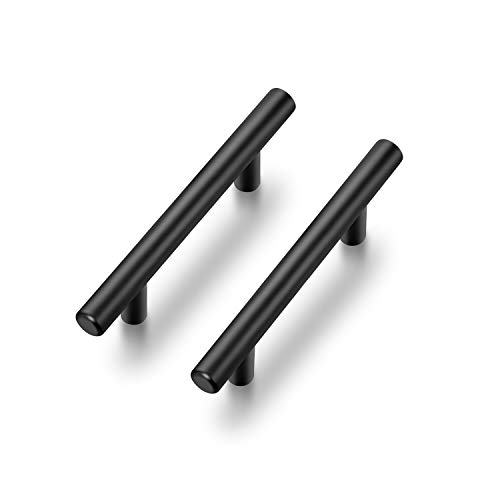
- T-bar pulls: a simple perpendicular bar mounted on a single post. Minimal and industrial-adjacent.
- Round and square knobs: the most common knob shapes, available in nearly every material and finish.
- Edge pulls: integrated recessed pulls mounted at the drawer edge for a seamless look.
If you are restoring an older piece, matching the original style matters more than personal preference. Pages on antique dressers and antique wooden chests of drawers often describe the hardware styles that pair with each era.
Materials: Durability and Feel
Handle material determines how the hardware feels in the hand, how it ages, and how well it tolerates daily use. The table below compares the most common options for bedroom dressers and chests.
| Material | Durability Tier | Best For | Notes |
|---|---|---|---|
| Solid brass | Premium / luxury | High-use dressers, traditional and transitional styles | Develops a patina; heavy and warm to the touch |
| Stainless steel | Mid-range to premium | Modern bedrooms, busy households | Corrosion-resistant; brushed finishes hide fingerprints |
| Zinc alloy | Entry-level to mid-range | Everyday dressers and chests | Wide range of finishes; solid feel at a balanced tier |
| Aluminum | Entry-level to mid-range | Lightweight modern pulls | Light and corrosion-resistant; can feel hollow |
| Wood | Entry-level to mid-range | Cottage, Scandinavian, and rustic dressers | Warm look; can crack or loosen over time |
| Ceramic / porcelain | Decorative tier | Knobs on light drawers and accent pieces | Attractive patterns; chips if struck hard |
| Glass / crystal | Decorative tier | Statement knobs on low-traffic drawers | Reflective and elegant; best on light pulls |
For drawers that carry jeans, sweaters, or bedding, prioritize solid brass, stainless steel, or a well-finished zinc alloy. Decorative materials work well on top-row drawers that hold accessories and see less weight.
Finishes: Matching Your Bedroom Style
Finish ties the hardware to the rest of the room. The most versatile options for bedroom furniture drawer handles are:
- Matte black: strong contrast on white, cream, and light oak dressers. Popular in modern and farmhouse bedrooms.
- Brushed nickel: neutral and fingerprint-resistant. A safe choice for transitional and contemporary rooms.
- Satin brass: warm without being shiny. Pairs well with walnut, mahogany, and painted finishes.
- Antique brass / bronze: traditional and antique looks, especially on period-style dressers.
- Chrome and polished nickel: bright and reflective; suit modern and glam styles.
- Painted and two-tone finishes: common on ceramic and wood knobs for nursery and cottage dressers.
Consider the other metals already in the room, such as lamp bases, curtain rods, and bed frames. Repeating a finish two or three times makes the room feel intentional, while a single contrasting accent can act as a focal point.
Sizing and Hole Spacing
Measurements are the most common source of replacement mistakes. Before ordering new hardware, check three things:
- Center-to-center spacing: the distance between the centers of the screw holes on a pull. This is the critical measurement for any bar, bail, or cup pull.
- Screw diameter: most drawer hardware uses standard machine screws, but older pieces may use a different size.
- Drawer front thickness: the included screw length must be long enough to pass through the drawer face without protruding inside.
Measuring tip
Measure from the center of one hole to the center of the other, not from edge to edge. For new installations, aim for at least two inches of clearance between the outermost hole and the drawer edge so the hardware looks balanced and does not interfere with the drawer sides.
Knobs are simpler: they use a single hole and a single screw. This makes knobs the easiest upgrade for renters or anyone who wants to refresh a dresser without drilling. If your existing dresser already has pulls, look for replacements with the same center-to-center spacing to avoid new holes.
Installation and Care Basics
Most drawer handle replacements take under an hour with a screwdriver. A few practical steps keep the job clean:
- Remove the drawer from the dresser before swapping hardware so you can work at a comfortable angle.
- Keep old screws in a small container; matching thread sizes can be difficult to find later.
- Hand-tighten first, then finish with a screwdriver to avoid over-tightening and cracking wood or ceramic.
- For ceramic or glass knobs, use a rubber washer between the knob and the drawer front to reduce stress.
- Wipe metal hardware with a soft dry cloth. Avoid abrasive cleaners on plated or painted finishes.
If you are refreshing a full bedroom set, browse the bedroom dresser and nightstand sets to see how matching hardware ties a collection together.
Matching Handles to Dresser Types
The right handle style depends on the piece it is attached to. A few common pairings:
Modern dressers
Slim bar pulls or edge pulls in matte black, brushed nickel, or satin brass. Minimal profiles keep the look clean.
Traditional dressers
Bail pulls, shell pulls, and round knobs in antique brass or bronze. These echo period furniture and look natural on wood finishes.
Farmhouse and rustic
Cup pulls, T-bar pulls, and wood or ceramic knobs. Mixed materials add character without feeling busy.
Nursery and kids' dressers
Smooth, rounded knobs with no sharp edges, secured with safety hardware. Easy to grip for small hands.
If you are working with an older piece, the guide to antique dressers from the early 1900s explains which hardware styles were common in that era. For painted furniture, painted chests of drawers often pair well with simple knobs that let the finish stand out.
Frequently Asked Questions
What is the difference between a drawer knob and a drawer pull?
A knob is a single-point fastener that attaches through one hole and is grasped with the fingertips, while a pull is a bar or handle fastened through two holes that allows a fuller hand grip. Knobs suit lighter drawers and traditional styles, whereas pulls are better for larger or heavier drawers and modern or transitional looks.
How do I measure drawer handle hole spacing?
Measure center-to-center between the existing screw holes on the drawer front. This is the critical measurement for replacement pulls. If you are drilling new holes, choose a spacing that leaves at least two inches of clearance from each drawer edge for a balanced look.
Which drawer handle material is most durable?
Solid brass and stainless steel are among the most durable options for high-use bedroom furniture. Zinc alloy offers a solid mid-range balance, while wood and ceramic knobs work well for decorative or low-traffic drawers but may chip or wear over time.
Can I replace dresser handles without drilling new holes?
Yes. Choose replacement pulls or knobs with the same center-to-center spacing and screw diameter as your existing hardware. Single-hole knobs are the easiest swap since they only require one existing hole per drawer front.
What finish is best for a modern bedroom dresser?
Matte black, brushed nickel, and satin brass are versatile finishes that suit modern and transitional bedrooms. Brushed nickel hides fingerprints well, while matte black creates strong contrast on white or light wood dressers.
Final Checklist Before You Buy
- Confirm whether your drawers need knobs, pulls, or a mix of both.
- Measure center-to-center spacing on any existing pulls.
- Check drawer front thickness and screw length.
- Choose a material tier that matches how heavily the drawer is used.
- Pick a finish that repeats or intentionally contrasts with other bedroom metals.
- Order a small quantity first if you are unsure about the look or fit.
With the right hardware, even an ordinary dresser feels more solid and more intentional. Use this guide as a reference, and you will be able to choose bedroom furniture drawer handles that hold up through daily use and match the room around them.