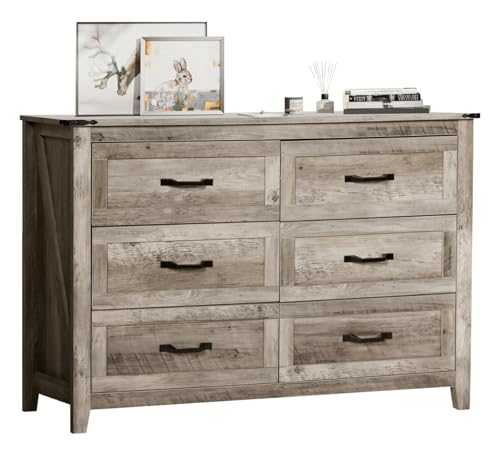
Antique Oak Dressers For Sale
Your complete guide to finding, evaluating, and choosing a genuine antique oak dresser that will serve your home for generations. Learn what separates a true antique from a reproduction and how to make a confident purchase.
Why Choose Antique Oak? Oak has been the backbone of fine furniture making for centuries. Its dense grain, natural durability, and rich patina make antique oak dressers a timeless investment. Whether you are furnishing a period home or adding character to a modern space, an antique oak piece brings warmth and history that no new furniture can replicate.
Understanding Antique Oak Dressers
An antique oak dresser is more than a storage piece — it is a snapshot of craftsmanship from a bygone era. Oak furniture has been produced in Europe and North America for over 400 years, with distinct regional styles emerging across England, France, and the American colonies. When shopping for antique oak dressers for sale, understanding the wood itself is the first step.
Oak is a hardwood known for its prominent grain pattern, strength, and resistance to wear. Two primary species dominate the antique market: European oak (Quercus robur) and American white oak (Quercus alba). European oak tends to have a tighter grain and warmer honey tone, while American oak often shows more pronounced ray flecks and a slightly cooler hue. Both develop a beautiful patina over time that cannot be replicated by modern staining techniques.
How to Identify Genuine Antique Oak
The market contains many reproductions, so knowing how to spot a genuine antique is essential. Here are the key indicators:
- Construction methods: Authentic antiques use mortise-and-tenon joints, hand-cut dovetails, and wooden pegs. Machine-cut dovetails with uniform spacing suggest a later or reproduction piece.
- Patina and wear: Genuine antiques show uneven wear patterns, especially around drawer pulls and edges. Reproduction "distressing" tends to look uniform and artificial.
- Wood grain continuity: On a true antique, the grain on drawer fronts often continues from the sides, indicating the wood was cut from a single board. This level of craftsmanship is rare in modern reproductions.
- Hardware: Original brass or iron hardware will show appropriate wear and often mismatched screws. Replaced hardware is common but should be noted.
- Smell and finish: Antique oak often has a subtle, aged wood scent. A strong chemical smell may indicate recent refinishing or a newer piece.
- Drawer bottoms: Look for hand-planed surfaces and irregular thickness on drawer bottoms — a hallmark of pre-industrial woodworking.
Tip: Always inspect the back and underside of a piece. These areas are less likely to have been refinished and reveal more about age and construction than the front.
Popular Styles of Antique Oak Dressers
Antique oak dressers come in many forms, each reflecting the design trends of its era. Understanding these styles will help you narrow your search and appreciate the piece you choose.
Jacobean and Tudor Revival
Dating from the late 16th to early 17th century, these pieces feature heavy, carved oak with geometric panels and bold proportions. They are statement pieces that suit traditional and historic homes. If you are drawn to this style, explore our guide to antique dresser styles for more context.
Georgian and Victorian Oak Chests
The Georgian era (1714–1837) brought refinement to oak furniture, with cleaner lines and more delicate proportions. Victorian oak chests (1837–1901) are heavier again, often with ornate carving and substantial drawer capacity. These are among the most sought-after antique wooden chest of drawers on the market.
Arts and Crafts Oak Dressers
The Arts and Crafts movement of the late 19th century celebrated honest construction and natural materials. Oak was the primary wood, often left with a fumed or lightly stained finish to emphasize the grain. These pieces are highly prized for their clean, functional design and visible joinery.
American Oak Dressers
American furniture makers produced distinctive oak dressers throughout the 19th and early 20th centuries. From simple Shaker-influenced designs to ornate Eastlake pieces, American oak dressers offer a wide range of styles. Our antique dressers from early 1900s guide covers this era in more detail.
What to Check Before You Buy
Before committing to an antique oak dresser, perform a thorough inspection. Here is a structured approach to evaluating any piece:
| Inspection Area | What to Look For | Red Flags |
|---|---|---|
| Drawer action | Smooth glide, no sticking, consistent gaps | Warped drawers, chipped runners, excessive play |
| Joinery | Hand-cut dovetails, mortise-and-tenon, wooden pegs | Nails, screws, or machine-cut joints |
| Wood condition | Stable cracks, natural patina, tight grain | Active splitting, rot, insect damage, excessive staining |
| Hardware | Period-appropriate brass or iron, consistent wear | Modern reproduction hardware, stripped screws |
| Finish | Waxed or oiled surface, even patina | Heavy polyurethane, spray lacquer, overspray on glass or hardware |
| Structure | Solid frame, level stance, no wobble | Loose joints, sagging, mismatched repairs |
For a deeper dive into condition assessment, see our antique oak file cabinet 4 drawer guide, which shares many of the same evaluation principles.
Sizing and Placement
Antique oak dressers come in a range of sizes, from compact antique narrow chest of drawers to grand antique tall dresser designs. Measure your space carefully before shopping, and consider the scale of the piece relative to your room and other furniture.
Common configurations include:
- Lowboy: Wider than tall, often with a mirror. Ideal for bedrooms with limited wall height.
- Highboy: Tall and narrow, maximizing vertical storage. Suited to rooms with high ceilings.
- Chest of drawers: A straightforward stack of drawers, available in many heights and widths.
- Dresser with mirror: Adds a functional vanity element to the bedroom. Explore our antique dressers with mirrors collection.
Care and Maintenance for Antique Oak
Antique oak is remarkably resilient, but it benefits from proper care. Keep the piece away from direct sunlight and heat sources, which can cause the wood to dry and crack. Dust regularly with a soft, dry cloth. Avoid silicone-based polishes, which can build up and dull the finish. A high-quality beeswax polish applied sparingly once or twice a year will nourish the wood and maintain its patina.
If the piece has a waxed finish, avoid water-based cleaning products. For deeper cleaning, use a slightly damp cloth and dry immediately. If you are considering refinishing, weigh the decision carefully — original finish and patina are significant value factors in antique furniture. Our antique wooden chests for sale article includes further care guidance.
Where to Find Antique Oak Dressers For Sale
Antique oak dressers are available through a variety of channels, each with its own advantages:
- Antique dealers and shops: The safest route for authentic pieces, often with restoration expertise and provenance information.
- Auctions: Can yield exceptional finds, but requires confidence in condition assessment. Preview days are essential.
- Online marketplaces: Provides the widest selection, but condition descriptions can be subjective. Ask for detailed photos of joinery, drawer bottoms, and hardware.
- Estate sales: Often feature well-preserved pieces from single households, with the benefit of seeing the item in its original context.
When buying online, verify the seller's return policy and ask specific questions about structural integrity. Reputable sellers will gladly provide additional photos and details.
Antique Oak vs. Reproduction: What to Know
Reproduction oak dressers can be attractive and functional, but they are not antiques and should not be valued as such. Modern reproductions often use veneered oak, machine-cut joints, and uniform finishes. They lack the patina, patina, and historic character of genuine antiques. If authenticity matters to you, verify age through provenance, construction details, and the seller's reputation.
If your goal is simply the aesthetic without the conservation concerns, a high-quality reproduction may serve you well. For a comparison of styles that mimic the antique look, see our antique looking chest of drawers guide.
Frequently Asked Questions
How can I tell if an oak dresser is truly antique?
Look for hand-cut dovetails, mortise-and-tenon joints, wooden pegs, uneven patina, and hand-planed drawer bottoms. Check the back and underside for consistency. Provenance from a reputable dealer adds confidence.
What is the difference between European and American oak?
European oak typically has a tighter grain and warmer tone, while American oak shows more ray flecks and a slightly cooler hue. Both are durable and well-suited to furniture.
Should I refinish an antique oak dresser?
Original finish and patina are significant value factors. Refinishing should be a last resort and is best left to professionals. If the finish is severely damaged, consult an antique furniture restorer.
How do I maintain an antique oak dresser?
Dust regularly, keep away from direct sunlight and heat, and apply a beeswax polish sparingly once or twice a year. Avoid silicone-based products and excessive moisture.
Are antique oak dressers suitable for modern homes?
Yes. Their warm tones and character can complement both traditional and contemporary interiors. Choose a style that fits your space and proportions.
Ready to Find Your Antique Oak Dresser?
Explore our curated selection of antique oak dressers and chests of drawers. Each piece is evaluated for authenticity, condition, and character.
View Available Pieces