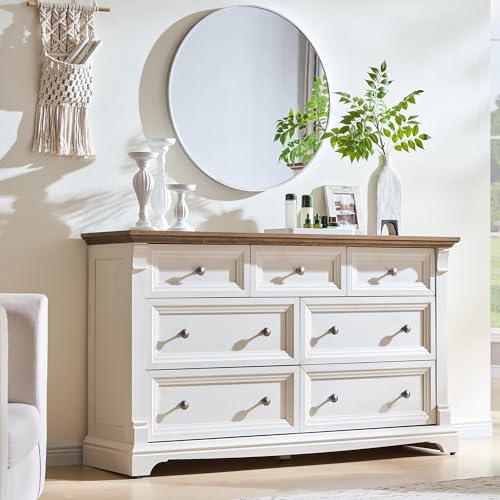
Antique Pine Dresser: A Complete Buyer's Guide
Explore the character, construction, and practical considerations behind antique pine dressers. Learn how to evaluate patina, joinery, drawer function, and finish so you can confidently choose a rustic storage piece that suits your bedroom for years to come.
What Is an Antique Pine Dresser?
An antique pine dresser is a storage piece built primarily from pine, typically at least several decades old, and valued for its warm grain, honey-toned patina, and hand-built joinery. Unlike modern pine reproductions, genuine antiques often carry evidence of hand-planing, hand-cut dovetails, and hardware that reflects the period in which the piece was made.
Pine has been a favored furniture wood for centuries because it is abundant, workable, and visually warm. In rural and cottage settings, pine dressers served as practical bedroom storage, often paired with a mirror or used as a chest of drawers in guest rooms. Today, collectors and design enthusiasts seek them out for the same reasons: character, durability, and a relaxed, lived-in aesthetic that suits farmhouse, cottage, and rustic interiors.
If you are also weighing broader options, our guide to antique dressers provides a helpful overview of period styles and construction across different woods. For buyers specifically researching pine, the key is to distinguish genuine age and craftsmanship from newer pieces styled to look old.
Why Pine Appeals to Buyers
Pine offers a distinctive combination of visual warmth and practical function. Its grain is pronounced and informal, which makes it forgiving in casual interiors where perfect uniformity is not the goal. Antique pine pieces often show patina that cannot be replicated convincingly by modern finishes, adding depth to a bedroom scheme.
Character and Patina
Over decades, pine develops a mellow amber tone. Edges soften, drawer fronts acquire a subtle sheen from use, and small dings contribute to the piece's story. For many buyers, this patina is the primary attraction.
Solid Construction
Many antique pine dressers were built with solid boards and traditional joinery. A well-maintained example can remain functional for generations, making it a long-term investment in bedroom storage rather than a disposable purchase.
Design Versatility
Pine's neutral tone integrates easily with painted walls, white bedding, natural textiles, and both light and dark wood accents. It works well in farmhouse, cottage, Scandinavian-inspired, and rustic interiors.
Practical note: Pine is a softer wood than oak or mahogany, so it is more prone to dents and surface marks. This is part of its charm for many buyers, but it is worth considering if you prefer a pristine surface.
Construction and Joinery
Assessing construction is the most reliable way to judge quality and age. The following features are worth examining closely when evaluating a pine dresser.
Dovetail Joints
Hand-cut dovetails are a strong indicator of traditional craftsmanship. Look at drawer corners: irregular spacing and slight variation suggest hand work, while perfectly uniform dovetails may indicate later machine production. Either can be acceptable, but the distinction informs value and character.
Drawer Bottoms and Runners
Check that drawer bottoms are solid and free of splits. Wooden runners should allow smooth travel without excessive wobble. Slight wear is normal; deep grooves or broken runners may require restoration.
Back Panels and Case Construction
Older pieces often use tongue-and-groove or nailed backboards. Look for signs of original construction rather than later modifications. A stable case with tight joints is preferable to one with widespread separation.
Hardware
Original pulls and escutcheons add authenticity. Replacement hardware is common and not necessarily a drawback, but mismatched holes or heavily enlarged openings can signal repeated changes. Our overview of antique wooden chest of drawers offers additional context on hardware and case construction across wood types.
Styles and Silhouettes
Antique pine dressers appear in a range of forms, each suited to different rooms and storage needs.
| Style | Typical Traits | Best For |
|---|---|---|
| Chest of Drawers | Stacked drawers, often four to six, compact footprint | Bedrooms with limited wall space |
| Lowboy | Wide, lower profile with generous top surface | Guest rooms and rooms with sloping ceilings |
| Tallboy | Vertical stack, taller than standard chests | Narrow alcoves and small bedrooms |
| Dresser with Mirror | Attached or companion mirror above the top | Bedrooms where a vanity function is useful |
| Painted Pine | Later paint over original finish, often distressed | Cottage and shabby-chic interiors |
If you prefer a lighter finish, explore antique white dresser with mirror options for a brighter bedroom palette. For narrower spaces, an antique narrow chest of drawers can fit where a full-width dresser cannot.
Sizing and Placement
Measure carefully before committing to an antique piece, as older dressers often have dimensions that differ from modern standard furniture. Consider the following:
- Room footprint: Allow clearance for drawer extension and walking space.
- Drawer depth: Deeper drawers suit bulky clothing; shallower drawers work well for folded shirts and accessories.
- Height: A dresser top is often used for display or a mirror; check that the height works with your wall decor and lighting.
- Doorways and stairs: Confirm the piece can be delivered into the intended room without disassembly.
For context on how pine compares with other period woods in similar silhouettes, our guide to antique oak dressers is a useful comparison point when weighing grain and density.
Evaluating Condition
Condition affects both usability and long-term care requirements. Use this checklist when inspecting an antique pine dresser in person or reviewing detailed photos from a seller.
- Structural stability: Check for wobble, loose joints, and separation between case sides and drawer runners.
- Drawer function: Open and close each drawer fully; note sticking, misalignment, or damaged runners.
- Wood condition: Look for active woodworm evidence (fresh dust), splits, and repairs. Historic worm holes that are inactive are common and usually stable.
- Finish: Original finish in good condition is preferable. Heavy refinishing can reduce character and long-term appeal.
- Hardware: Confirm pulls are secure and functional; missing or broken hardware may require sourcing replacements.
- Odor: Musty smells can indicate damp storage; persistent odors may be difficult to remove.
Tip: Ask sellers for close-up photos of drawer corners, the back panel, and the feet. These areas reveal the most about construction and condition.
Care and Maintenance
Pine responds well to simple, consistent care. Avoid aggressive cleaning products and silicone-based polishes, which can build up and dull the finish.
Routine Care
- Dust weekly with a soft, dry cloth.
- Wipe spills promptly with a slightly damp cloth and dry immediately.
- Use a mild wax or oil suitable for aged wood, following product guidance.
- Keep the piece away from direct heat sources and prolonged sunlight.
Environmental Considerations
Wood expands and contracts with humidity. Maintain a stable indoor environment and avoid placing the dresser against damp exterior walls. In very dry seasons, a room humidifier can help prevent shrinkage cracks.
Restoration vs. Preservation
Preserving original patina generally supports long-term appeal. If restoration is necessary, consult a furniture conservator before sanding or repainting. For broader context on period pieces and their care, see our antique dresser resource.
Buying Checklist
Use this checklist to structure your evaluation. It is designed for buyers in the research stage who already know they want a pine piece and need a reliable framework for decision-making.
- Authenticity signals: Hand-cut joinery, period hardware, consistent patina, and age-appropriate wear.
- Structural integrity: Stable case, functional drawers, sound back panel.
- Dimensions: Confirmed room fit, delivery access, and drawer utility.
- Finish condition: Original finish preferred; note any refinishing or paint.
- Restoration needs: Estimate effort for repairs and decide whether the piece suits your comfort level.
- Provenance: Seller history, maker marks, and any documentation add confidence.
For a wider selection context, our antique dressers for sale overview explains how listings vary across styles and conditions. If you are comparing painted finishes, antique painted chest of drawers provides useful perspective on how paint alters character and care needs.
Frequently Asked Questions
What defines an antique pine dresser?
An antique pine dresser is a solid pine or pine-veneer storage piece typically at least several decades old, valued for its warm grain, patina, and hand-built joinery such as dovetails and mortise-and-tenon construction.
How can I tell if a pine dresser is genuinely antique?
Check for hand-cut dovetails, hand-forged or early machine-made hardware, uneven patina, hand-planed surfaces, and age-appropriate wear around feet and drawer fronts. Provenance and maker marks add confidence.
How should I care for an antique pine dresser?
Dust regularly with a soft cloth, avoid silicone polishes, keep the piece away from direct heat and sunlight, and use a mild wax or oil designed for aged wood. Maintain indoor humidity to prevent warping.
What sizes are common for antique pine dressers?
Antique pine dressers range from narrow chests of drawers to wide lowboy and tallboy silhouettes. Measure your room and check drawer depth and height before choosing a piece for a bedroom or guest room.
Can antique pine dressers be refinished or painted?
Yes, but preserving original patina usually maintains long-term value. If restoration is needed, consult a conservator and test finishes on a hidden area before applying paint or new stain.
Ready to Explore Antique Pine Dressers?
Use the checklist above to evaluate listings with confidence. Compare construction, condition, and sizing before making a decision.
Explore Antique Dressers