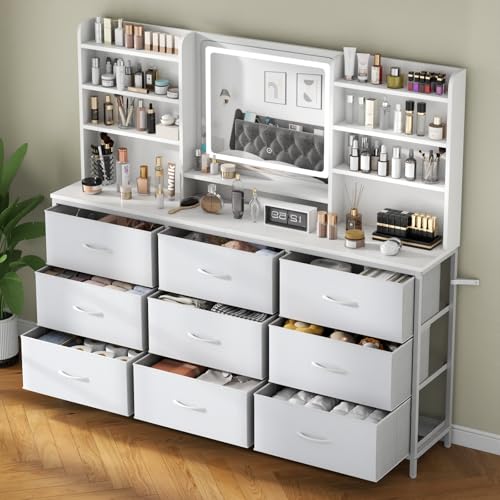
Bedroom Furniture Dresser with Mirror: Complete Guide
Explore how a bedroom furniture dresser with mirror combines storage, grooming, and style in one elegant piece. Learn about styles, sizing, materials, placement, and safety so you can choose with confidence.
VIEW RECOMMENDED OPTIONSWhy a mirrored dresser deserves a closer look: A dresser with mirror is one of the most practical investments for a bedroom. It consolidates clothing storage with a grooming station, reflects natural light to brighten darker corners, and creates a visual focal point that makes the room feel larger and more finished. This guide walks you through the decisions that matter most before you commit.
What a Bedroom Dresser with Mirror Offers
A mirrored dresser is more than a storage box with glass attached. Understanding its functional benefits helps you judge whether it fits your routine and your room. The combination piece typically delivers three advantages: consolidated function, space efficiency, and visual impact.
- Two functions, one footprint: You get drawer storage for clothing and accessories plus a full-height viewing surface for dressing, grooming, and checking outfits without a separate vanity.
- Space efficiency: In smaller bedrooms, pairing the mirror with the dresser eliminates the need for a freestanding floor mirror or vanity table, freeing valuable floor area.
- Light and depth: Mirrors bounce natural and artificial light around the room, which makes compact or north-facing bedrooms feel brighter and more open.
- Design anchor: A framed mirror above a dresser creates a deliberate focal wall that ties together bedding, artwork, and lighting.
- Resale and longevity: Classic mirrored dresser silhouettes tend to remain relevant across decor trends, which supports long-term satisfaction.
If you are still weighing whether a mirror is right for your setup, the broader collection of bedroom dresser sets with mirror shows how coordinated pieces can unify a room.
Popular Styles of Mirrored Dressers
Style drives the visual character of the piece and influences how well it ages in your room. The most common categories below cover the majority of options on the market.
Traditional and Antique-Inspired
Curved frames, carved details, and warm wood tones define this category. These pieces suit classic bedrooms and pair naturally with upholstered headboards. Explore antique dressers with mirrors for authentic character or antique white dresser with mirror for a softer, cottage feel.
Modern and Minimalist
Clean lines, flat fronts, and thin metal or wood frames. A modern mirrored dresser works well in contemporary bedrooms and helps small rooms feel uncluttered.
Mid-Century and Retro
Tapered legs, angled frames, and warm walnut finishes. This style balances retro charm with practical storage and suits both vintage and eclectic interiors.
Farmhouse and Rustic
Distressed finishes, plank detailing, and barn-door hardware. These mirrored dressers anchor relaxed, country-inspired bedrooms and coordinate with natural textiles.
Art Deco and Glam
Geometric frames, beveled glass, and metallic accents. These pieces work as statement furniture and suit bedrooms that lean toward dramatic, polished design.
Narrow and Tall Profiles
Compact footprints with vertical mirrors. These are the most space-efficient options for apartments and small bedrooms. See bedroom dresser options for compact layouts.
How to Choose the Right Size and Configuration
Sizing mistakes are the most common source of regret with mirrored dressers. A piece that is too deep crowds the walking path; one that is too short forces you to stoop. Use the guide below as a starting framework, then adjust for your room dimensions and user heights.
| Category | Best For | Typical Characteristics |
|---|---|---|
| Entry-Level / Essential Tier | Guest rooms, first apartments, starter setups | Engineered wood panels, basic drawer slides, simpler frame joinery |
| Mid-Range / Balanced Tier | Primary bedrooms, daily-use family rooms | Solid wood fronts, soft-close slides, reinforced drawer boxes |
| Premium / High-End Tier | Design-focused bedrooms, long-term ownership | Hardwood construction, dovetail joinery, premium glass and hardware |
| Luxury / Flagship Tier | Statement rooms, collector-level furniture | Hand-finished surfaces, custom mirror frames, heirloom-grade materials |
Beyond tier, confirm three measurements: the dresser height at the top surface (typically 30 to 36 inches), the mirror height above the dresser (typically 24 to 36 inches), and the total depth from the wall. The mirror center should sit near eye level for the primary user. For a deeper breakdown, review this dresser size guide.
Materials, Frames, and Mirror Quality
The dresser body and the mirror assembly are separate quality questions. Both matter, and both affect how the piece holds up over years of daily use.
- Dresser body: Solid hardwood frames and drawer fronts resist warping and hold hardware securely. Engineered wood is common in entry-level pieces and can perform well when the core is dense and the edges are sealed.
- Joinery: Dovetail drawer boxes signal higher-grade construction. Stapled or nailed boxes are typical of starter-tier furniture.
- Drawer hardware: Soft-close slides reduce wear and noise. Metal glides with a smooth full-extension action are a practical upgrade.
- Mirror glass: Look for float glass with a consistent reflective coating and beveled edges where specified. Thicker glass and proper backing reduce distortion and vibration.
- Frame construction: A mirror frame that is mechanically fastened to the dresser, rather than only glued, is more stable over time.
- Finish: Low-VOC paints and sealed wood finishes are easier to maintain and safer for bedrooms, especially in nurseries and children's rooms.
For a full comparison of construction options, see the dresser quality guide.
Placement and Room Layout Tips
Where you place a mirrored dresser affects both function and perceived room size. These guidelines help you avoid common layout pitfalls.
- Leave clearance: Keep at least 24 to 30 inches of open floor in front of the dresser so drawers can extend fully and you can stand back from the mirror.
- Avoid facing the bed directly: Some people find a mirror facing the bed disruptive for sleep. Angling the dresser or placing it on a perpendicular wall is a common solution.
- Use natural light: Positioning the mirror to reflect a window can brighten the room substantially. Just avoid direct glare on the glass.
- Anchor to the wall: Attach anti-tip straps to the dresser and mirror frame. This is essential in homes with children or pets.
- Coordinate with lighting: A pair of wall sconces or a table lamp on the dresser improves grooming visibility and balances the mirror's reflections.
For layout inspiration across different room sizes, browse these bedroom dresser ideas and the dresser styling tips collection.
Safety, Assembly, and Maintenance
A mirrored dresser is a heavy, top-loaded piece of furniture, which makes safety and care non-negotiable. The steps below cover the essentials.
- Wall anchoring: Always secure the dresser to a stud or use appropriate wall anchors. Mirror weight creates a tipping risk if the dresser is climbed or pulled.
- Assembly quality: Follow the manufacturer's instructions precisely, and re-tighten fasteners after the first month of use. If you are unsure, a professional assembly service is a sound choice.
- Mirror cleaning: Use a microfiber cloth and a streak-free glass cleaner. Avoid abrasive pads and ammonia-heavy products on framed or painted edges.
- Wood care: Dust regularly with a soft cloth. Use a furniture polish suited to the finish, and keep the piece away from direct heat and prolonged moisture.
- Drawer care: Avoid overloading drawers, and lubricate metal slides lightly if they begin to stick.
Matching a Mirrored Dresser to the Rest of the Bedroom
A dresser with mirror rarely stands alone. Coordinating it with the bed, nightstands, and lighting produces a cohesive room. Matching sets simplify this process and reduce the risk of clashing finishes and proportions.
Explore coordinated options such as bedroom dresser and nightstand sets, bedroom furniture dresser and nightstand pairings, and complete bedroom dresser sets. For a broader furniture view, see bedroom furniture dresser options.
Frequently Asked Questions
What are the benefits of a bedroom furniture dresser with mirror?
A mirrored dresser combines clothing storage with a grooming surface, saves floor space compared with a separate vanity, brightens the room by reflecting light, and creates a focal point that makes the bedroom feel larger and more finished.
How tall should a dresser with mirror be?
The dresser top surface typically sits between 30 and 36 inches from the floor, and the attached mirror adds roughly 24 to 36 inches. The mirror center should align with the primary user's eye level when standing or seated for grooming.
Can a mirror be attached to any dresser?
Many dressers include pre-drilled mounting points for a matching mirror. A freestanding mirror can also be paired with a sturdy dresser using anti-tip hardware. In every case, anchor both the mirror and the dresser to the wall.
What style of mirrored dresser works best for a small bedroom?
A narrow or tall mirrored dresser with a slim profile is the most space-efficient choice. A vertical mirror draws the eye upward and makes a compact room feel taller and less crowded.
How do I clean and maintain a mirrored dresser?
Wipe the mirror with a microfiber cloth and a streak-free glass cleaner, and dust the frame with a soft cloth. Avoid abrasive cleaners on painted or wood finishes, and keep the piece away from direct moisture and heat.
Ready to Compare Mirrored Dresser Options?
Review recommended bedroom furniture dresser with mirror options below, compare features, and check availability through our affiliate partners.
SEE RECOMMENDED OPTIONS