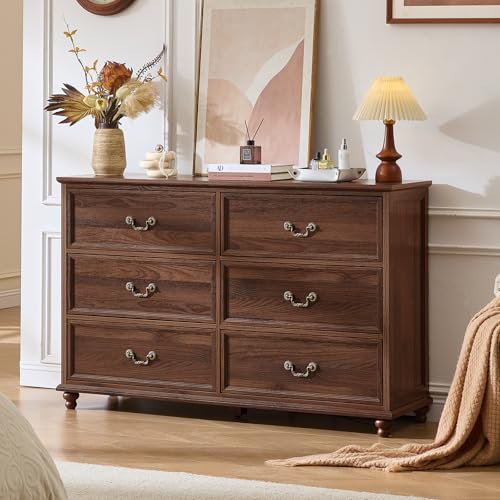
Antique Dresser: The Complete Guide to History, Craftsmanship & Buying
Learn how to identify authentic antique dressers, understand period styles, evaluate construction quality, and choose a piece that lasts for generations.
START YOUR RESEARCHWhy antique dressers matter: An antique dresser is more than storage—it is a piece of history. Understanding construction methods, wood species, and period details helps you distinguish a genuine antique from a reproduction and make a confident, informed purchase.
What Qualifies as an Antique Dresser?
The term antique generally refers to furniture that is at least 100 years old. A dresser made before the 1920s typically qualifies, while pieces between 20 and 100 years old are considered vintage. This distinction matters because true antiques often feature hand-craftsmanship, period hardware, and wood that has developed a natural patina over decades.
Collectors and appraisers look beyond age alone. Authentic antique dressers usually show:
- Hand-cut dovetail joints rather than uniform machine-cut pins
- Period-correct hardware with signs of age, such as patinated brass or hand-forged iron
- Wood surfaces with hand-planing marks and uneven patina
- Construction details consistent with the era, such as square nails or hide glue
- Wear patterns that reflect decades of genuine use
If you are exploring specific subcategories, our guide to antique wooden chest of drawers breaks down construction details across wood types, while the antique tall dresser overview covers vertical storage designs.
Antique Dresser Styles and Periods
Style is often the fastest way to narrow down an antique dresser search. Each era produced distinct silhouettes, hardware, and ornamentation. Below are the most common categories you will encounter.
| Style / Period | Key Characteristics | Best For |
|---|---|---|
| Victorian (1837–1901) | Ornate carvings, marble tops, heavy proportions, dark mahogany or walnut | Formal bedrooms and traditional interiors |
| French Provincial (17th–18th century influence) | Curved cabriole legs, painted or natural wood, delicate scrollwork | Soft, romantic bedroom settings |
| English Chest (Georgian & Victorian) | Clean lines, brass pulls, graduated drawers, oak or mahogany | Classic and transitional interiors |
| Art Deco (1920s–1930s) | Geometric lines, waterfall edges, exotic veneers, chrome hardware | Bold, statement bedroom designs |
| Farmhouse / Primitive | Pine construction, painted finishes, simple joinery, utilitarian design | Rustic and cottage-style spaces |
For deeper dives into specific traditions, see the antique French dresser guide and the antique English chest of drawers breakdown. If you prefer the clean-lined look of early 20th-century pieces, the Art Deco dresser page explains the hallmarks of that era.
Antique Dresser Wood Types
Mahogany
Dense, reddish-brown, and highly durable, mahogany was the preferred wood for formal furniture from the 18th century onward. It takes carving beautifully and develops a rich patina. Look for the antique mahogany dresser guide for grain and finish details.
Oak
Heavy, hard-wearing, and abundant, oak was the backbone of English and American country furniture. Quarter-sawn oak shows distinctive ray flecks. The antique oak dressers for sale overview covers common constructions.
Walnut
Rich, dark, and easy to carve, walnut became dominant during the Victorian era. Its swirling grain and deep tone make it a favorite for ornate pieces. The antique wooden chests for sale roundup includes walnut examples.
Pine
Soft, light, and often painted, pine was used for provincial and farmhouse furniture. Genuine antique pine shows dents, knots, and layered paint. See the antique pine dresser article for what to check.
How to Evaluate Antique Dresser Construction
Construction is the single most reliable indicator of authenticity and durability. Use this checklist when examining a piece in person or reviewing photos from a seller:
- Dovetail joints: Hand-cut dovetails are irregular and slightly uneven; machine-cut dovetails are perfectly uniform and often a sign of later production or reproduction.
- Drawer bottoms: Antique drawers often use solid wood panels, sometimes with hand-planing marks. Thin plywood is a red flag for modern construction.
- Hardware: Original pulls should match the period. Replacement hardware is not disqualifying, but mismatched holes or modern screws suggest alteration.
- Patina: Genuine age produces uneven fading, wear on high-touch areas, and darkening around edges. Uniform finishes often indicate refinishing or reproduction.
- Odor: Old wood often carries a faint, pleasant mustiness. A strong chemical smell may indicate recent refinishing or storage issues.
Buyer beware: Reproductions are common in the market. Always ask for provenance, detailed photos of joints and drawer interiors, and—where possible—an in-person inspection. Our antique looking chest of drawers article explains how to spot a modern piece styled to appear old.
Specialty Antique Dressers to Consider
Beyond the standard bedroom dresser, several specialty categories are worth exploring:
Antique Dressers with Mirrors
Mirrored dressers combine storage with a vanity function. Check that the mirror is original or period-appropriate and that the frame is structurally sound. See the antique dressers with mirrors guide for evaluation tips.
Marble-Top Dressers
Marble tops were a mark of formality in Victorian and Edwardian pieces. Inspect for cracks, chips, and staining. The antique marble top dresser article covers what to look for.
Highboy and Lowboy Dressers
Highboys are tall chests on legs; lowboys are lower, wider pieces often with a mirror. Explore the antique highboy dresser for sale and antique lowboy dresser with mirror overviews.
Narrow and Miniature Chests
Space-conscious buyers can look at the antique narrow chest of drawers guide. Collectors may appreciate the antique miniature chest of drawers article for display pieces.
Antique Dresser Buying Checklist
Before you commit to a purchase, run through this practical checklist. It is designed to help you avoid costly mistakes and confirm that the piece matches your needs.
| Category | What to Check | Why It Matters |
|---|---|---|
| Provenance | Ask for history, receipts, or maker's marks | Establishes authenticity and value |
| Joints & Structure | Dovetails, drawer runners, leg stability | Confirms age and structural integrity |
| Hardware | Original pulls, hinges, and escutcheons | Original hardware supports authenticity |
| Surface & Patina | Uneven wear, hand-planing marks, original finish | Refinishing reduces historical value |
| Dimensions | Measure doorways, stairs, and room space | Antique pieces may not fit modern spaces |
| Restoration Needs | Loose joints, veneer loss, water damage | Repair work can be significant |
For a broader set of options, browse the antique dressers for sale roundup or the antique dressers from early 1900s overview for era-specific considerations. If you are weighing painted versus natural finishes, the antique painted chest of drawers article explains the trade-offs.
Caring for an Antique Dresser
Antique furniture requires gentle care to preserve both function and value. Follow these guidelines:
- Keep the piece out of direct sunlight and away from heat sources to prevent warping and fading.
- Use a soft, dry cloth for dusting; avoid silicone-based polishes that can build up and damage the finish.
- Apply a museum-grade wax sparingly once or twice a year to protect the surface without altering the patina.
- Use felt pads under legs to protect flooring and reduce stress on joints.
- Maintain indoor humidity between 40% and 60% to minimize wood movement.
- Address loose joints or veneer lifting promptly with a professional conservator.
For related storage solutions that complement antique pieces, explore bedroom chest of drawers wooden options and the antique white dressers for sale collection for lighter finishes.
Frequently Asked Questions
What defines an antique dresser?
An antique dresser is generally defined as a piece of furniture that is at least 100 years old, retaining original craftsmanship, materials, and historical character. Pieces between 20 and 100 years old are typically classified as vintage.
How can I tell if an antique dresser is authentic?
Check for hand-cut dovetail joints, period-appropriate hardware, aged wood patina, and construction marks such as saw marks. Authentic pieces often show uneven wear patterns and hand-planed surfaces rather than uniform machine finishes.
Which wood types are common in antique dressers?
Mahogany, oak, walnut, and pine are the most common woods. Mahogany was favored in formal pieces, oak in English and American country furniture, walnut in Victorian designs, and pine in rustic and provincial styles.
Should I refinish an antique dresser?
Refinishing can significantly reduce an antique's historical and market value. Preserve original patina whenever possible. If restoration is needed, consult a professional conservator rather than applying modern finishes.
Where should I place an antique dresser in a bedroom?
Place it away from direct sunlight and heat sources to prevent wood warping and fading. Ensure the floor is level and use felt pads to protect both the piece and flooring.
Ready to explore specific styles? Continue with our guides to the antique French chest of drawers, the antique sewing machine drawers for sale niche, and the antique Japanese chest of drawers tradition. For a broad view of available pieces, start with the antique dressers for sale collection.