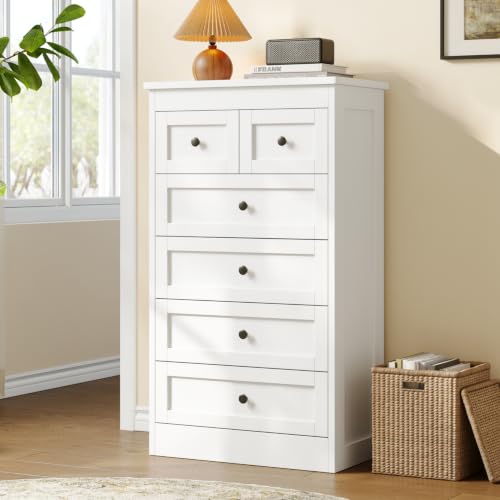
What Exactly Is a Corner Chest of Drawers?
A corner chest of drawers is a storage cabinet designed to sit inside a 90-degree corner of a room. Instead of a flat rectangular back, the unit either has an angled front face, a triangular footprint, or a quarter-round profile that nests against two adjoining walls. The drawers usually face outward at roughly 45 degrees to the corner, which means you can open them without pulling the unit away from the wall.
This shape difference matters more than it sounds. A traditional corner dresser often borrows the silhouette of a standard dresser but adds a wedge back, while a dedicated corner dresser with drawers is engineered from the ground up around the angled geometry. The result is furniture that claims floor space that would otherwise sit empty, which is a genuine advantage in guest rooms, apartments, and primary bedrooms with tight layouts.
Who Benefits Most From a Corner Unit?
Corner storage is not only for tiny rooms. It solves several common bedroom problems at once:
- Small bedrooms and apartments: The unit uses dead floor space, so you keep a clear path around the bed and closet.
- Rooms with awkward wall breaks: Windows, doors, and sloping ceilings often leave only corners available for furniture.
- Shared bedrooms and couples: A corner unit can act as a secondary dresser without blocking traffic, complementing a couples dresser setup.
- Nurseries and children's rooms: Tucking storage into a corner reduces sharp protrusions in play areas; our notes on children's dressers cover safety considerations.
- Closet and dressing areas: A compact angled unit works well inside walk-in closets, similar to a closet dresser configuration.
If you are weighing between a standard rectangular piece and an angled one, our comparison of a compact dresser versus a corner model is worth a look before you commit.
How to Measure a Corner Before You Buy
Sizing is the single most common mistake with corner furniture. A unit that is slightly too large will sit away from the wall, which defeats the entire purpose. Follow this sequence:
- Measure both wall runs. From the corner outward along each wall, measure at least the full height of the intended unit. Record the shorter of the two lengths.
- Measure the diagonal depth. This is the distance from the corner point to where the front face of the unit will sit. This figure determines how far the chest projects into the room.
- Check drawer clearance. Add 18 to 24 inches (roughly 45 to 60 cm) of open floor space in front of the unit for drawer pull-out.
- Account for baseboards and trim. Thick baseboards or crown molding can prevent a unit from sitting flush. Leave a small buffer or choose a design with a notched back.
- Confirm door and window swings. Make sure the chest does not block a closet door, window access, or a heating vent.
Comparing Common Corner Configurations
Corner storage comes in a few recognizable formats. The table below compares the main types by purpose rather than by any numeric figure, so you can match the format to your room.
| Configuration | Best For | Key Consideration |
|---|---|---|
| Angled-front corner chest | Standard bedrooms needing full-depth drawers | Confirm the diagonal depth fits the corner without crowding the bed |
| Triangular footprint chest | Very tight corners and small apartments | Drawer depth is usually shallower; ideal for folded clothing and linens |
| Quarter-round tall chest | Rooms that need vertical storage rather than wide storage | Stability matters; check for anti-tip hardware and wall anchoring |
| Corner chest with shelving | Mixed storage for clothing plus display or books | Open shelves collect dust; closed drawer sections are easier to maintain |
Materials and Build Quality That Matter
The angled shape of a corner chest puts different stress on the frame than a rectangular dresser does. The front face is often cantilevered, and the side panels meet at an angle rather than a right angle, so joinery quality is critical. Look for the following:
- Solid wood or high-grade engineered wood: Both are durable when properly finished. Solid wood offers long-term repairability; quality engineered boards resist warping in humid rooms.
- Reinforced corner joinery: Dovetail or doweled joints at the angled corners hold up far better than stapled construction. This is where entry-level and mid-range units most often differ.
- Smooth drawer runners: Metal ball-bearing slides or well-fitted wooden runners should glide without wobble. Mid-range models typically offer noticeably smoother mechanisms than starter-tier ones.
- Anti-tip hardware: Any tall, narrow, or angled unit should be anchored to the wall. This is especially important in homes with children.
- Stable base: A corner chest should sit flat on all contact points. Adjustable leveling feet are a useful feature on uneven floors.
If you are exploring finishes, our guide to cream dresser tones and dark wood dresser finishes explains how each palette interacts with small, angled spaces.
Drawer Count and Internal Layout
Corner chests typically offer three to five drawers, though taller models can reach six or more. Because the front face is often narrower than a standard dresser, drawer width is the limiting factor. A practical layout looks like this:
- Top drawer: Shallow, for accessories, socks, and small items.
- Middle drawers: Medium depth, for folded shirts and knitwear.
- Bottom drawer: Deeper, for jeans, bedding, or off-season clothing.
Drawer organizers make a big difference in narrower drawers. Our guides to clothes drawer dividers and clothing drawer organizers show how to divide shallow space efficiently.
Placement and Styling Tips
Placement decides whether a corner chest feels intentional or cramped. A few principles to follow:
- Use the corner opposite the door where possible, so the angled front faces the room rather than the entryway.
- Keep the top surface light. A small mirror, a lamp, or a single tray works better than a crowded display in a tight angle.
- Match the height to nearby furniture. A chest that stands taller than the bed headboard can feel heavy; one that sits slightly lower keeps the room balanced.
- Consider a mirror above. An angled front paired with a wall mirror visually opens the corner; see our corner dresser chest for bedroom notes for layout examples.
- Anchor to the wall. Always secure tall corner units, particularly in homes with pets or young children.
Corner Chest vs. Standard Dresser: A Quick Decision Guide
A corner chest is the better choice when floor space is limited, when the room has an unusable angle, or when you want secondary storage without blocking traffic. A standard rectangular dresser remains the better choice when you have a long, clear wall, need wide drawers for bulkier items, or want a large flat top for display. Many bedrooms actually benefit from both: a main dresser along a wall and a corner chest for overflow. If you are undecided, comparing a chest of drawers with a corner-specific unit can clarify the trade-offs.
Pre-Purchase Checklist
- Measured both wall runs and the diagonal depth of the corner
- Confirmed drawer pull-out clearance in front of the unit
- Checked baseboard and trim clearance for a flush fit
- Verified the unit includes anti-tip wall anchoring hardware
- Inspected joinery quality at the angled corners
- Matched drawer depth to the items you plan to store
- Confirmed the finish and height suit the room's palette and proportions
Frequently Asked Questions
What is a corner chest of drawers for a bedroom?
It is a storage unit shaped to fit into a 90-degree corner. Its angled front or triangular footprint lets it sit flush against two walls, using floor space that a standard rectangular dresser would leave empty.
How do I measure a corner for a corner chest of drawers?
Measure both wall lengths from the corner outward, then measure the diagonal depth from the corner point to the intended front face. Add clearance for baseboards and for drawer pull-out in front of the unit.
Are corner chests a good choice for small bedrooms?
Yes. Corner units use otherwise dead floor space, which keeps traffic paths clear around the bed. They are especially effective in guest rooms, apartments, and compact primary bedrooms.
What materials should I look for in a corner chest of drawers?
Solid wood or high-grade engineered wood with reinforced corner joinery is the most durable choice. Check that drawer runners glide smoothly and that anti-tip hardware is included, since the angled shape places extra stress on the frame.
Can a corner chest hold as much as a standard dresser?
Usually slightly less per drawer, because the front face is narrower. However, the space efficiency of using a corner often makes up for it in a small room. Choose a taller model if you need more total capacity.
Ready to choose? Scroll down to the recommended corner chest of drawers options below. Each listing is selected for bedroom use, with attention to drawer layout, build quality, and stability in angled placements.
For related storage ideas, explore our guides to corner chest designs and closet organizer chest of drawers layouts.