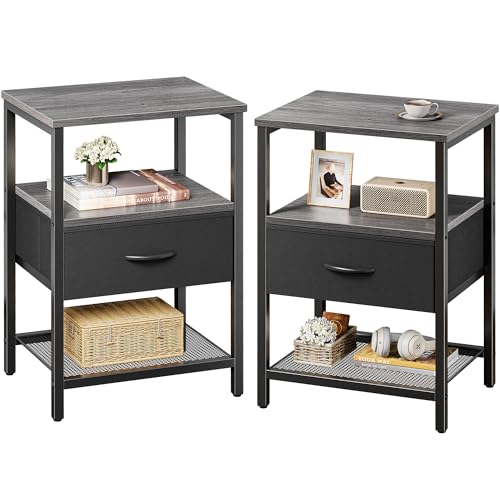
Dark Gray Dresser and Nightstand: The Complete Guide
Everything you need to know about choosing a dark gray dresser and nightstand set — from finish quality and drawer configuration to style matching and room placement.
A dark gray dresser and nightstand set has become one of the most requested bedroom furniture combinations in recent years, and for good reason. Dark gray sits in a sweet spot between the crispness of black and the softness of lighter neutrals, giving a bedroom a grounded, sophisticated atmosphere without feeling heavy or gloomy. It pairs effortlessly with wood tones, white bedding, metallic accents, and almost any wall color palette.
If you are researching this combination, you are likely at the stage where you know you want a coordinated set but still need clarity on the details that matter: which finish will hold up over time, how many drawers you actually need, whether a tall chest or a wide dresser suits your room, and how to make sure the nightstand scale matches the dresser. This guide walks through each of those decisions in practical terms so you can move forward with confidence.
The appeal of dark gray goes beyond aesthetics. Compared with pure black, dark gray hides dust and light fingerprints more forgivingly, and its undertones — whether cool blue-gray, warm greige, or charcoal — can be matched to your existing flooring and trim. A well-chosen set anchors the room visually and provides a cohesive foundation that makes the rest of your bedroom styling easier.
Why Choose a Dark Gray Dresser and Nightstand Set?
Buying a matching set offers practical advantages that piecemeal shopping rarely delivers. The proportions are designed to work together, the finish is guaranteed to match, and the hardware is consistent across both pieces. Beyond coordination, a dark gray set brings several distinct benefits to a bedroom.
Versatile Neutral Base
Dark gray works as a quiet backdrop that lets your bedding, art, and accessories take center stage. It complements warm wood floors, cool tile, and carpet alike, making it a safe long-term choice if you repaint or redecorate.
Hides Wear Gracefully
Compared with white or light gray finishes, dark gray tones conceal minor scuffs and everyday dust more effectively, which keeps the set looking presentable between cleanings.
Visual Grounding
A darker piece anchors the room and creates a sense of depth. In large bedrooms it prevents furniture from feeling floaty; in smaller rooms it can act as a focal point when paired with lighter walls.
Style Flexibility
The same dark gray set can read modern with brass pulls, farmhouse with distressed edges, or minimalist with handleless drawers. Hardware and finish texture do the stylistic heavy lifting.
Quick Decision Checklist
- Measure first: Confirm wall space, door swing clearance, and walking paths before choosing drawer count or width.
- Match the undertone: Cool gray suits modern and coastal rooms; warm gray (greige) suits traditional and farmhouse interiors.
- Check drawer construction: Dovetail joinery and side-mounted or soft-close glides signal a higher-quality build.
- Coordinate nightstand height: The nightstand top should sit level with or slightly below the mattress top for comfortable reach.
- Plan hardware: Decide whether you want the set as-is or intend to swap pulls for a personalized look.
Popular Styles for Dark Gray Dresser and Nightstand Sets
Dark gray is a chameleon finish. The same base color can lean modern, rustic, or classic depending on the silhouette, edge treatment, and hardware. Understanding these style categories helps you narrow the field quickly.
Modern and Contemporary
Modern dark gray sets favor clean lines, flush drawer fronts, and minimal ornamentation. Look for handleless drawers or slim linear pulls in brushed nickel or matte black. These sets typically use engineered wood with a quality veneer or lacquered MDF for a smooth, uniform surface. They suit rooms with neutral bedding, geometric art, and streamlined lighting. If you want a low-profile look, a dark gray dresser and nightstand set with a wide, low dresser and matching low nightstands creates an airy horizontal line.
Farmhouse and Rustic
Farmhouse-inspired dark gray sets often feature planked drawer fronts, distressed edges, and chunky hardware in oil-rubbed bronze or antiqued brass. The gray is usually a warm, weathered tone rather than a cool industrial gray. These sets pair naturally with shiplap walls, woven baskets, and linen bedding. A dark grey dresser in this style often includes a matching mirror frame, which can be mounted on the dresser or wall.
Transitional and Classic
Transitional sets blend traditional silhouettes with updated finishes. Expect framed drawer fronts, subtle molding, and curved or tapered legs finished in dark gray. Hardware tends to be classic round knobs or bail pulls in satin nickel. This style works well in rooms that mix old and new furniture and is a strong choice if you plan to keep the set for many years.
Industrial and Urban
Industrial dark gray sets combine metal elements — steel frames, exposed rivets, or metal drawer pulls — with charcoal or gunmetal gray finishes. These sets suit loft-style bedrooms and pair well with exposed brick, concrete textures, and leather accents. They tend to be heavier and more substantial, so confirm floor loading and assembly requirements.
Construction and Material Quality
The finish color is what you see, but construction is what determines how the set performs over years of daily use. Dark gray finishes can hide imperfections, so it pays to inspect construction details closely — both online and in person if possible.
Frame and Case Materials
- Solid wood: The most durable option, typically in oak, maple, or pine. Solid wood frames resist warping and can be refinished. Expect premium to luxury tier positioning.
- Engineered wood with veneer: MDF or particleboard core with a wood veneer or laminate. Consistent appearance and stable in humidity, but edges can chip if knocked. Mid-range to premium tier depending on veneer quality.
- Painted MDF: Common in modern and transitional dark gray sets. Smooth finish, but heavier and less repairable than veneer. Entry-level to mid-range tier.
Drawer Box Construction
- Dovetail joinery: Interlocking joints at drawer corners — a hallmark of quality construction that resists pulling apart under load.
- English dovetail vs. French dovetail: Both are strong; French dovetail is generally considered the higher-grade joint because it hides the joint from the drawer face.
- Stapled or nailed boxes: Found in entry-level sets. Acceptable for light use in guest rooms but less suited to daily heavy use.
- Drawer bottoms: Look for bottoms that are set into a groove rather than stapled to the box — this prevents sagging when drawers are full.
Glides and Hardware
- Side-mounted roller glides: Standard on entry-level and mid-range sets. Functional but can be noisy and may wear over time.
- Side-mounted ball-bearing glides: Smoother operation and longer life; common in mid-range and premium sets.
- Undermount soft-close glides: The top-tier standard. Hidden from view, quiet, and self-closing. Often paired with full-extension capability so you can reach the back of the drawer.
- Tip-over restraint: A non-negotiable safety feature. Confirm the set includes an anti-tip kit, especially for tall dressers.
Quality Tiers at a Glance
- Entry-level tier: Painted MDF or basic engineered wood, stapled drawer boxes, side roller glides. Suitable for guest rooms and light use.
- Mid-range tier: Engineered wood with veneer or solid wood fronts, dovetail or reinforced boxes, ball-bearing glides. The most common choice for primary bedrooms.
- Premium tier: Solid wood construction, French dovetail drawers, undermount soft-close glides, quality catalyzed finish. Built for long-term daily use.
- Luxury tier: Hardwood solids throughout, hand-finished surfaces, custom hardware, and often made-to-order sizing. A long-term investment piece.
Sizing and Drawer Configuration
The right size depends on your room dimensions, the amount of clothing you store, and how the nightstands need to function. A common mistake is choosing a dresser that looks proportional in the showroom but overwhelms a small bedroom, or a nightstand that is too short to reach comfortably from bed.
Dresser Width and Height
- Compact dressers (under 40 inches wide): Best for small bedrooms, guest rooms, and apartments. Usually 3 to 5 drawers.
- Standard dressers (40–60 inches wide): The most versatile size. Typically 6 to 8 drawers and suitable for couples sharing storage.
- Wide dressers (over 60 inches wide): Ideal for primary bedrooms with ample wall space. Often paired with a mirror or used as a media console.
- Tall chests: A vertical footprint for narrow walls. Typically 5 to 6 stacked drawers; confirm anti-tip hardware is included.
Nightstand Considerations
- Height: The top surface should align with or sit slightly below the mattress top — usually 24 to 28 inches from the floor for a standard bed.
- Width: A nightstand roughly one-third to one-half the width of the dresser keeps the set visually balanced.
- Storage: One drawer plus an open shelf covers most needs. Two or three drawers suit people who keep books, chargers, and personal items at the bedside.
- Clearance: Leave at least 2–3 inches between the nightstand and the wall or bed frame to avoid scuffing the finish.
Drawer Count Comparison
| Drawer Count | Best For | Typical Configuration |
|---|---|---|
| 3–4 drawers | Guest rooms, small bedrooms, light storage | Two wide drawers plus two smaller top drawers |
| 5–6 drawers | Primary bedrooms, single users with moderate wardrobes | Two columns of three, or one wide column with a split top row |
| 7–8 drawers | Couples sharing a dresser, larger bedrooms | Two columns of four, or mixed wide and narrow drawers |
| 9+ drawers | Extensive storage needs, closets without built-ins | Three columns of three, often with a jewelry or accessory top row |
Understanding Dark Gray Finishes
"Dark gray" is not a single color. The undertone and sheen of the finish affect how the set reads in your room and how well it matches existing elements. Before committing, consider these finish variations.
Cool Charcoal
A blue-leaning dark gray that feels crisp and modern. Pairs beautifully with white walls, brushed nickel hardware, and cool-toned flooring. Best for contemporary and minimalist rooms.
Warm Greige
A gray with brown undertones that bridges gray and beige. Softer and more inviting than charcoal. Works well with farmhouse, transitional, and coastal decor and warm wood floors.
Gunmetal and Slate
Slightly metallic or stone-inspired grays with depth and movement. Often paired with industrial and urban styling. Look for finishes that resist showing fingerprints.
Distressed and Washed
Gray finishes with visible grain, rub-through edges, or a whitewashed underlayer. These create a relaxed, lived-in look and conceal minor wear especially well.
Sheen and Durability
- Matte: Absorbs light and hides surface imperfections. Popular in modern sets. Can show oily fingerprints on frequently touched areas.
- Satin: A subtle sheen that wipes clean easily and resists showing dust. The most practical choice for daily-use bedroom furniture.
- High-gloss: Reflective and dramatic, but shows dust and scratches readily. Best reserved for low-traffic or styled spaces.
- Catalyzed lacquer or conversion varnish: The most durable topcoats in premium and luxury tier sets. More resistant to moisture, heat, and everyday wear than standard paint.
Coordinating the Set With Your Bedroom
A dark gray dresser and nightstand set is only as good as its integration with the rest of the room. These coordination principles help the set feel intentional rather than purchased in isolation.
Wall Color and Flooring
- Light walls: White, cream, or pale gray walls let the dark gray set stand out as a focal point. This is the safest and most versatile pairing.
- Mid-tone walls: Warm taupe, sage, or soft blue walls create a layered, tonal look with dark gray furniture.
- Dark walls: Moody charcoal or navy walls create a cocooning effect, but require careful lighting and lighter bedding to avoid a cramped feel.
- Flooring: Warm wood floors add contrast and warmth; cool gray flooring creates a monochromatic modern look; carpet softens the visual weight of dark furniture.
Hardware and Accents
- Brass and gold: Adds warmth and a classic touch; especially effective on warm gray finishes.
- Brushed nickel and chrome: Clean and modern; the default choice for cool charcoal sets.
- Matte black: Creates a bold monochromatic look; works well in industrial and modern rooms.
- Wood and leather pulls: Softens the set for coastal, boho, and Scandinavian styling.
If you want to explore how dark gray compares with adjacent options, the dark dresser and nightstand set guide covers deeper charcoal and near-black variations, while the dark brown dresser and nightstand page is useful if you are weighing warm wood tones against gray. For rooms that lean cooler still, a dark oak dresser offers a natural grain alternative that pairs well with gray accents.
Placement and Room Layout Tips
Where you place the dresser and nightstands affects both function and visual balance. These layout guidelines work across most bedroom sizes.
- Anchor the dresser on the longest wall: This is usually the wall opposite or adjacent to the bed. Leave at least 30 inches of clearance in front of drawers for comfortable opening.
- Balance the nightstands: Flank the bed symmetrically with matching nightstands. If one side is tight, a slightly narrower nightstand on that side is acceptable but keep the height consistent.
- Mind the door swing: Confirm that the dresser does not obstruct closet or room doors when drawers are open. A dresser placed too close to a door creates a daily frustration.
- Use vertical space: In compact rooms, a tall chest frees up floor area. In larger rooms, a wide dresser with a mirror creates a dressing station.
- Lighting: Position bedside lamps so that the shade sits above eye level when seated in bed. Wall-mounted sconces above nightstands free up surface space.
- Rug placement: A rug that extends under the front legs of the dresser and nightstands ties the furniture grouping together visually.
For rooms where wall space is limited, a corner dresser configuration can reclaim otherwise unusable areas, and a compact dresser preserves walking clearance in tighter layouts.
Care and Maintenance for Dark Gray Finishes
Dark gray finishes are generally low-maintenance, but a few habits keep them looking their best for years.
- Dust regularly: Use a soft microfiber cloth. Avoid paper towels, which can leave lint and micro-scratches on satin and matte finishes.
- Clean with a mild damp cloth: For painted and lacquered surfaces, a lightly dampened cloth with a drop of mild dish soap is sufficient. Dry immediately.
- Avoid abrasive cleaners: Scouring pads, ammonia-based cleaners, and silicone polishes can dull the finish or leave a residue that attracts dust.
- Protect from sunlight: Prolonged direct sun can fade or shift the tone of painted finishes. Use curtains or blinds during peak daylight hours.
- Use felt pads: Place felt pads under lamps, decorative objects, and organizers to prevent scratches on the top surface.
- Touch up promptly: Small chips on painted finishes should be touched up quickly to prevent moisture ingress. Many manufacturers supply touch-up pens or paint.
- Tighten hardware periodically: Knobs and pulls loosen with use. A quick check every few months keeps everything secure.
Frequently Asked Questions
Dark gray sets pair well with several finish approaches: matte lacquer for a modern look, brushed or distressed finishes for farmhouse and rustic styles, and high-gloss or satin finishes for contemporary interiors. Solid wood construction with a catalyzed topcoat offers the most durable surface, while engineered wood with quality veneers provides a consistent appearance at a more accessible tier.
The ideal drawer count depends on your storage needs. A 6-drawer dresser is the most versatile choice for a primary bedroom, offering a balance of wide and deep drawers. A 3 or 4-drawer dresser suits smaller rooms or guest bedrooms, while an 8 or 9-drawer configuration works well for couples who need extensive wardrobe storage.
Yes. In a compact bedroom, choose a dresser with a narrower footprint, such as a tall chest or a low wide dresser, and pair it with compact nightstands that have a single drawer and open shelf. Measure your available wall space and door swing clearance before purchasing to ensure comfortable movement.
Dark gray is a versatile neutral. Brushed nickel and chrome create a clean modern contrast, while brass and gold hardware add warmth and a more traditional feel. Matte black hardware creates a moody monochromatic look, and wood or leather pulls soften the set for organic and coastal styles.
Use felt pads under decorative items, avoid placing the dresser in direct sunlight, and dust with a soft microfiber cloth. For painted or lacquered finishes, use a mild damp cloth and avoid abrasive cleaners. Touching up small chips promptly prevents moisture from reaching the substrate and extends the life of the finish.
Ready to Choose Your Dark Gray Set?
Browse recommended dark gray dresser and nightstand options with detailed specifications, construction notes, and style guidance. Compare features side by side to find the set that fits your room and storage needs.
Explore Recommended Options