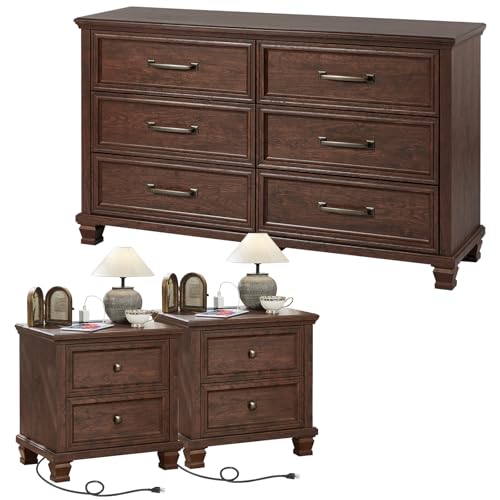
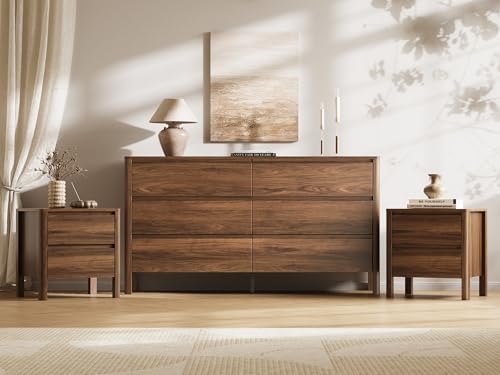
Dark Wood Dresser and Nightstand Set: The Complete Guide
Everything you need to know about choosing a dark wood dresser and nightstand set — from wood species and finish options to sizing, styling, and long-term care. Make a confident, informed decision for your bedroom.
Start ReadingWhy a matching dark wood set matters: A coordinated dresser and nightstand set creates visual harmony, simplifies bedroom styling, and often reflects better craftsmanship than assembling mismatched pieces. This guide helps you evaluate quality, fit, and style so you can choose a set that lasts for years.
What Is a Dark Wood Dresser and Nightstand Set?
A dark wood dresser and nightstand set is a coordinated bedroom furniture pairing that includes a primary storage dresser and one or two matching bedside tables. These sets are designed to share the same wood species, stain tone, hardware style, and design language — creating a cohesive look that anchors the bedroom's aesthetic.
Dark wood finishes typically range from deep espresso and chocolate brown to rich walnut, mahogany, and charcoal-stained oak. These tones add warmth, depth, and a sense of gravity to a room. They pair naturally with a wide range of design styles, from classic and traditional interiors to modern and transitional spaces.
When shopping for a set, you'll encounter variations such as a dark brown dresser and nightstand pairing, a dark gray dresser and nightstand set, or a rich dark walnut dresser matched with a complementary bedside table. Each offers a distinct visual character while delivering the convenience of a coordinated purchase.
Why Choose a Dark Wood Dresser and Nightstand Set?
Dark wood furniture has enduring appeal for several practical and aesthetic reasons. Understanding these benefits helps you determine whether a dark wood set aligns with your bedroom goals.
Visual Warmth and Depth
Dark wood tones absorb light gently, creating a cozy, grounded atmosphere. They add visual weight that balances airy rooms and provide contrast against lighter walls and bedding.
Design Versatility
Dark wood pairs beautifully with metals, glass, upholstered headboards, and a wide range of color palettes. It transitions easily between traditional, modern, and eclectic styles.
Long-Term Durability
Many dark wood sets use solid hardwood construction. Species like walnut, oak, and mahogany are known for density and resilience, making them a worthwhile investment for long-term use.
Simplified Coordination
Purchasing a matched set eliminates guesswork. The dresser and nightstand share proportions, finish, and hardware — saving time and ensuring a polished result.
Hides Wear Gracefully
Darker finishes tend to mask minor scratches and scuffs better than light finishes, making them a practical choice for high-traffic bedrooms and family homes.
Strong Resale Appeal
Quality dark wood furniture holds aesthetic value across decades. Classic silhouettes in walnut or mahogany remain sought-after in secondary markets.
Wood Types in Dark Wood Dresser Sets
The wood species used in a dark wood dresser and nightstand set significantly affects durability, grain character, and how the finish ages over time. Here's a breakdown of the most common options you'll encounter.
| Wood Type | Grain Character | Durability | Best For |
|---|---|---|---|
| Walnut | Rich, flowing grain with natural dark tones | High — dense hardwood | Premium and luxury tier sets; mid-century and modern styles |
| Mahogany | Fine, straight grain with reddish undertones | High — stable and resistant to warping | Traditional, classic, and formal bedroom settings |
| Dark-Stained Oak | Pronounced grain, takes stain deeply | Very high — naturally hard and heavy | Rustic, farmhouse, and transitional styles |
| Stained Pine | Knotty, softer grain pattern | Moderate — can dent under impact | Entry-level and mid-range sets; casual bedroom aesthetics |
| Engineered Wood with Veneer | Consistent, uniform appearance | Moderate — depends on core quality | Mid-tier sets where consistent finish matters |
Solid wood sets — particularly walnut and mahogany — represent the high-end tier and offer the most longevity. Mid-range sets often blend solid wood frames with veneer panels, balancing durability and refined appearance. Entry-level sets frequently use engineered wood with a dark wood veneer or laminate, which can look convincing but may not withstand the same level of wear over decades.
If you're exploring broader options in this material category, our guide to dark wood dressers covers additional species and finish considerations, while the dark oak dresser page dives into one of the most durable choices available.
Finish Options and Hardware
Within the dark wood category, finishes and hardware create the final character of a dresser and nightstand set. The right combination should complement your existing bedroom decor and personal style.
Popular Finish Tones
- Espresso: Deep, almost-black brown with cool undertones. Works well in contemporary and modern bedrooms.
- Chocolate: Warm, medium-dark brown with red undertones. Versatile and inviting for traditional and transitional spaces.
- Charcoal / Dark Gray: Sophisticated and neutral. Blends with industrial and minimalist aesthetics.
- Natural Walnut: Rich brown with subtle purple and gold highlights. Ideal for mid-century and Scandinavian-inspired rooms.
- Mahogany Red: Deep reddish-brown that feels formal and classic. Best suited for traditional bedroom designs.
Hardware Considerations
Hardware is the jewelry of furniture. In a dark wood set, the right hardware can elevate the overall look or subtly shift the style. Consider these pairings:
- Gold or brass: Adds warmth and a premium feel. A popular choice for a dark wood dresser with gold hardware.
- Matte black: Modern and understated. Creates a sleek, contemporary edge.
- Brushed nickel or chrome: Cool and versatile. Works well with gray-toned dark finishes.
- Antique bronze or copper: Adds vintage character. Ideal for rustic and traditional sets.
When evaluating a set, check that drawer pulls are firmly attached, glide smoothly, and feel substantial in the hand. Flimsy hardware is often a sign of lower-tier construction.
Sizing Your Dresser and Nightstand Set
Proper sizing is critical for both function and aesthetics. A dresser that's too large will crowd the room; one that's too small will fail to meet storage needs. Nightstands must fit comfortably beside the bed without obstructing movement.
Dresser Size Guidelines
| Category | Typical Width | Best For |
|---|---|---|
| Compact dresser | 30–40 inches | Small bedrooms, apartments, guest rooms |
| Standard dresser | 50–65 inches | Most primary bedrooms; pairs well with a queen or king bed |
| Wide dresser | 66–80 inches | Large bedrooms, shared closets, couples |
For a coordinated set, the nightstand should feel proportionate to the dresser. A compact dresser pairs well with a narrow nightstand, while a wide dresser can accommodate larger bedside tables with more surface area.
Nightstand Height and Placement
Ideally, the top of your nightstand should sit level with or slightly below the top of your mattress. This makes it easy to reach items while lying in bed. Allow at least 24 inches of clearance between the bed and the nightstand for comfortable movement, and ensure drawer fronts can open fully without hitting the bed frame.
If space is tight, a dark dresser and nightstand set with a compact dresser and slim nightstand can maximize storage while preserving floor space.
Matching a Dark Wood Set to Your Bedroom Style
Dark wood is remarkably adaptable. The key is understanding how finish tone, hardware, and silhouette interact with your room's existing elements.
Modern and Contemporary
Choose a set with clean lines, minimal ornamentation, and sleek hardware in matte black or brushed nickel. A dark gray dresser and nightstand pairing fits especially well in modern rooms with neutral walls and monochromatic bedding.
Traditional and Classic
Opt for mahogany or cherry tones with decorative hardware, subtle molding, and bracket feet. A dark brown dresser with mirror adds a formal touch and makes the set feel more complete.
Rustic and Farmhouse
Dark-stained oak or pine with visible grain and simple metal hardware suits rustic and farmhouse aesthetics. Consider a dark brown chest of drawers with distressed detailing for an authentic, lived-in feel.
Mid-Century and Scandinavian
Walnut is the star here. Look for tapered legs, recessed handles, and warm wood tones that highlight the natural grain. A dark oak dresser can also work well when paired with light textiles and minimal accessories.
Pros and Cons of Dark Wood Dresser Sets
Advantages
- Cohesive, polished look with zero guesswork
- Dark tones conceal minor scratches and wear
- Solid wood options offer exceptional longevity
- Versatile across many interior design styles
- Often available in matching multi-piece collections
Considerations
- Can visually dominate small or poorly lit rooms
- Dark finishes may show dust more readily
- Solid wood sets sit in higher tier brackets
- Matching sets limit individual piece flexibility
- Requires careful placement to avoid a heavy look
Quality Checklist Before You Buy
Not all dark wood sets are created equal. Use this checklist to evaluate construction quality and long-term value.
- Drawer joinery: Dovetail joints indicate higher-tier construction; stapled or glued joints suggest entry-level build.
- Drawer glides: Metal ball-bearing slides with soft-close mechanisms offer smoother, quieter operation than basic wood-on-wood runners.
- Back panels: A solid or thick veneered back panel provides structural stability and prevents racking.
- Weight and density: Heavier pieces generally indicate denser wood and more substantial construction.
- Finish consistency: Look for even stain coverage, smooth surfaces, and sealed edges that resist moisture.
- Hardware attachment: Pulls and knobs should be firmly seated with no wobble or stripping.
- Anti-tip hardware: Wall-anchoring brackets are essential for safety, especially in homes with children.
Caring for Your Dark Wood Set
Dark wood furniture is relatively low-maintenance but benefits from consistent care. Dust weekly with a soft, dry cloth to prevent buildup. Avoid silicone-based polishes, which can leave residue and dull the finish over time. Instead, use a wood-safe conditioner every few months to nourish the surface.
Keep the set away from direct sunlight and heat sources, which can cause fading, drying, and cracking. Use coasters and felt pads under decorative items to prevent scratches and water rings. For deeper maintenance guidance, see our dresser cleaning guide.