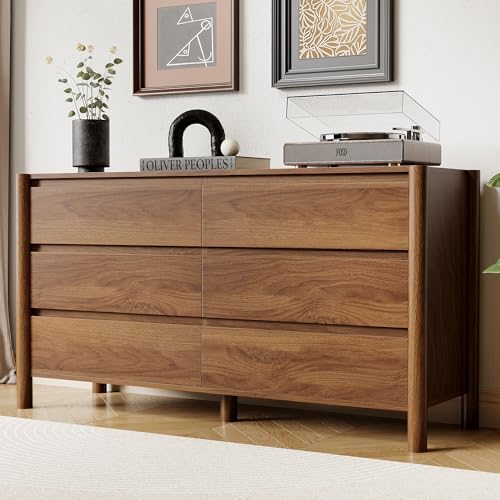
Dark Oak Dressers: Timeless Storage with Deep Character
Discover why dark oak dressers remain one of the most sought-after bedroom storage pieces. From grain patterns and finish options to drawer configurations and styling advice, this guide gives you everything you need to choose with confidence.
Explore the GuideDresserAdvisor Insight: A dark oak dresser is more than furniture — it is a long-term investment in both storage and interior character. Oak’s density and grain structure give it remarkable durability, while a dark finish adds visual depth that anchors a room. This guide walks you through every decision point so you can choose a piece that fits your space, your style, and your daily storage needs.
What Makes a Dark Oak Dresser Distinctive?
A dark oak dresser is defined by two things: the wood species and the finish. Oak is a hardwood prized for its strength, open grain, and resistance to wear. When stained or finished in a dark tone — ranging from deep espresso to rich walnut-brown — the grain becomes a visual feature rather than a background texture. The result is a piece that feels substantial, elegant, and grounded in natural material.
Unlike painted or veneered alternatives, a solid dark oak dresser displays grain continuity across drawer fronts and cabinet panels. That natural variation means no two pieces are identical. For buyers who value individuality in furniture, this is a significant advantage. It also means the dresser develops a subtle patina over time, growing richer with age rather than showing uniform wear.
Dark oak dressers are available across the full spectrum of market positioning — from entry-level models with oak veneers over engineered cores to premium and luxury solid oak pieces with hand-finished surfaces and traditional joinery. Understanding where a given dresser sits within that range helps you match construction quality to your expectations.
For a broader look at how oak compares to other dark wood options, see our guide to dark wood dressers and the related dark brown dresser category.
Why Choose Dark Oak for Your Dresser?
Dark oak occupies a useful middle ground in bedroom furniture. It offers the visual weight and sophistication of dark wood without the cool, almost black appearance of ebony or the tightly grained formality of dark walnut. The warmth in oak’s undertones keeps the piece approachable, while the dark stain gives it presence.
Durability and Density
Oak is a dense hardwood with excellent resistance to dents and scratches. A solid oak dresser can serve a household for decades, making it a long-term investment compared with softer woods or composite construction.
Visual Anchoring
Dark furniture grounds a room. In a bedroom with light walls and pale textiles, a dark oak dresser provides contrast and a focal point that makes the space feel intentionally designed.
Grain Character
Oak’s open grain accepts stain in a way that highlights its natural pattern. Each drawer front and panel shows unique figure, giving the dresser an organic quality that synthetic finishes cannot replicate.
Style Versatility
Dark oak works across design styles — from traditional and farmhouse to modern and mid-century. The finish adapts to hardware choices, allowing you to shift the dresser’s personality with knobs and pulls.
If you are also considering pieces outside the bedroom, the dark oak furniture category covers coordinating items such as nightstands, wardrobes, and living room storage.
Styles and Finishes of Dark Oak Dressers
The term “dark oak” covers a range of tones and treatments. Knowing the distinctions helps you communicate what you want and evaluate options accurately.
Finish Tones
- Espresso and near-black: The deepest end of the dark oak spectrum. These finishes emphasize grain subtly and suit modern, moody interiors.
- Walnut-brown: A warm, chocolate-leaning tone that highlights oak’s natural warmth. This is the most versatile dark oak finish for transitional rooms.
- Weathered or smoked oak: A treatment that darkens the wood while preserving a matte, tactile surface. Often used in rustic and Scandinavian-influenced designs.
- Distressed dark oak: Intentional wear patterns and edge rubbing give the piece an aged, antique character.
Design Styles
Dark oak dressers appear in several recognizable furniture styles. A classic dresser in dark oak typically features framed drawer fronts, molded edges, and traditional hardware. More contemporary interpretations use slab fronts, recessed pulls, and clean silhouettes. Mid-century-inspired pieces often combine dark oak with tapered legs and minimal ornamentation.
For a farmhouse or cottage look, dark oak dressers with paneled sides and cup pulls work well. If you prefer a cleaner aesthetic, the contemporary dresser and nightstand set category includes dark oak options with streamlined profiles.
Hardware Choices
Hardware changes the dresser’s character more than any other single detail. Dark oak pairs especially well with:
- Antique brass or bronze: Warm metallics that complement the wood’s brown undertones.
- Matte black: A modern, graphic contrast that suits industrial and minimalist rooms.
- Polished nickel or chrome: A cooler contrast that brightens the piece and leans contemporary. See our chrome dresser guide for more on mixed-material looks.
- Leather or wood pulls: A softer, more organic option for rustic and Scandinavian styles.
Choosing the Right Drawer Configuration
Drawer layout affects how usable a dresser is day to day. Dark oak dressers are available in several standard configurations, each suited to different storage priorities.
| Configuration | Best For | Typical Use | Tier Consideration |
|---|---|---|---|
| Wide 6-drawer | Couples and shared bedrooms | Folded clothing, linens, accessories | Mid-range and premium |
| Tall 5-drawer chest | Small rooms with limited floor space | T-shirts, socks, knitwear | Entry-level to premium |
| Double dresser (6–8 drawers) | Primary bedrooms and guest rooms | Mixed clothing and bedding storage | Mid-tier to luxury |
| Bachelor chest (3–4 drawers) | Bedside or accent storage | Small clothing items, accessories | Starter tier to mid-range |
| Lingerie chest (5–7 narrow drawers) | Jewelry, accessories, delicates | Small-item organization | Mid-range and premium |
Drawer depth matters as much as drawer count. Shallow drawers suit folded shirts and accessories, while deeper drawers accommodate bulky knitwear and bedding. A mix of depths within one dresser — sometimes called a combination layout — offers the most flexibility.
Drawer glide quality is a critical but often overlooked factor. Entry-level dressers typically use side-mounted roller glides, which are functional but less smooth. Mid-range and premium models increasingly use under-mount soft-close slides, which provide smoother operation, quieter closing, and better load support. For a detailed look at deep storage options, see the deep drawer dresser guide.
Materials, Construction, and Quality Tiers
The label “dark oak” describes the appearance, not necessarily the construction. Understanding what is beneath the finish is essential for evaluating durability and long-term satisfaction.
Solid Oak vs. Oak Veneer
Solid oak dressers use oak lumber throughout the main structure — drawer fronts, sides, top, and often drawer boxes. These pieces are heavier, more resistant to damage, and can be refinished in the future if the surface becomes worn. They represent a long-term investment and typically sit in the premium and luxury tiers.
Oak veneer dressers use a thin layer of real oak over an engineered wood core (MDF or particleboard). Quality veneers can look indistinguishable from solid wood and offer excellent stability against warping. Veneered dressers are common in the entry-level and mid-range tiers and can be a solid choice when the veneer is thick and the core is well sealed.
For a direct comparison, our solid wood vs engineered guide explains the trade-offs in detail.
Joinery and Hardware Quality
Inspect how the dresser is assembled. Dovetail joints in drawer boxes signal higher-quality construction and greater durability under load. Box joints and stapled construction are common at entry level. Case assembly — how the sides, top, and back connect — should be rigid with no visible gaps or movement. Metal-on-metal drawer glide systems with a rated load capacity outperform friction-based slides.
Quality Tier Descriptors
Throughout this guide and across DresserAdvisor, we use consistent tier descriptors rather than absolute figures:
- Entry-level / starter tier: Veneered construction, basic glides, simpler joinery. Suitable for guest rooms, first apartments, and lighter use.
- Mid-range / balanced tier: Thicker veneers or partial solid wood, upgraded glides, better hardware. A solid choice for daily use in most homes.
- Premium / high-end tier: Solid oak construction, dovetail drawers, soft-close glides, refined finishing. Built for long-term daily use.
- Luxury / flagship tier: Hand-selected lumber, traditional joinery, hand-applied finishes, and exceptional attention to detail. A generational piece.
Dark oak dressers at the mid-range and premium tiers generally offer the best balance of durability, appearance, and long-term satisfaction for most households.
Sizing a Dark Oak Dresser for Your Space
Dark oak has visual weight, so proportion matters more than with lighter finishes. A dresser that is too large for a room can make the space feel cramped; one that is too small can look lost and fail to provide adequate storage.
Standard Dimensions
- Tall chest: Approximately 30–40 inches wide, 18–20 inches deep, 45–55 inches tall. Ideal for narrow walls and small bedrooms.
- Double dresser: Approximately 55–70 inches wide, 18–20 inches deep, 30–38 inches tall. The workhorse configuration for primary bedrooms.
- Wide dresser: 70+ inches wide. Suits large bedrooms and provides generous surface area for display.
- Bachelor chest: 30–40 inches wide, 18–20 inches deep, 30–36 inches tall. Useful as a bedside or secondary storage piece.
Clearance and Placement
Allow at least 30 inches of clearance in front of the dresser for comfortable drawer access. If the dresser doubles as a changing table or display surface, ensure the height is comfortable for its primary use. In small rooms, a tall chest preserves floor space while still delivering substantial storage. Our compact dresser and corner dresser guides cover space-efficient options in more detail.
Consider the visual balance of the room. A dark oak dresser against a light wall creates a strong focal point; pairing it with a mirror above can soften the visual weight and add light. If the room already has heavy dark furniture, a lighter-toned or mirrored piece may balance better.
Dark Oak Dressers Across Different Rooms
Primary Bedroom
A double dresser in dark oak anchors the bedroom and provides generous storage for two people. Pair it with warm neutral walls, textured bedding, and a large mirror to balance the dark finish. Brass or bronze hardware adds warmth; matte black hardware leans more modern. For styling ideas, see our dresser styling tips.
Guest Room and Small Bedrooms
A tall chest or bachelor chest in dark oak delivers substantial storage in a small footprint. In compact rooms, place it on the wall opposite the bed and keep the top surface minimally styled to avoid visual clutter. The dresser for small spaces guide offers additional layout strategies.
Nursery and Children’s Rooms
Dark oak can work beautifully in a nursery when balanced with lighter textiles and wall colors. A dresser with a changing pad topper serves double duty. For safety, always secure the dresser to the wall with the provided anti-tip kit — this is essential in any room where children spend time. Explore our nursery dressers and children’s dressers categories for suitable options.
Living Room and Beyond
Dark oak dressers are increasingly used outside the bedroom — as a credenza in a living room, a media console, or an entryway storage piece. The credenza dresser and console dresser guides cover these versatile applications. A dark oak dresser used as a sideboard in a dining room adds warmth and practical storage; see the dining room dresser guide for ideas.
Caring for a Dark Oak Dresser
Proper care preserves both the finish and the wood beneath. Dark finishes can show dust and smudges more readily than light ones, so a simple routine keeps the piece looking its best.
Routine Care
- Dust weekly with a soft, dry microfiber cloth. Avoid abrasive pads and paper towels, which can dull the finish over time.
- Wipe spills promptly with a slightly damp cloth, then dry immediately. Do not let moisture sit on the surface.
- Use a wood-safe polish or conditioner a few times a year to nourish the finish. Avoid silicone-based products, which can build up and interfere with future refinishing.
- Keep the dresser out of direct sunlight to prevent uneven fading, particularly important with stained finishes.
- Maintain stable indoor humidity where possible. Extreme swings can cause solid wood to expand and contract, leading to cracking or joint separation.
- Use felt pads under items placed on the top surface and avoid dragging objects across the finish.
For a deeper look at cleaning methods, see our how to clean a dresser guide.
Our Take on Dark Oak Dressers
Dark oak dressers earn their enduring popularity by combining practical storage with genuine material character. Oak’s strength and grain make it an excellent base for a dark finish, and the resulting piece works across design styles — from traditional to contemporary. When shopping, focus on construction: solid oak and quality veneers both have their place, but drawer glide quality, joinery, and finish consistency are the details that separate a dresser that lasts from one that disappoints.
For most households, a mid-range to premium dark oak dresser represents the most balanced choice — offering durable daily performance, timeless appearance, and a level of craftsmanship that supports long-term use. Pair it with a matching nightstand if available, or mix finishes intentionally for a curated look.
Frequently Asked Questions About Dark Oak Dressers
What is a dark oak dresser?
A dark oak dresser is a storage furniture piece made from oak wood that has been stained or finished in a deep, rich tone. The dark finish highlights the natural grain of the oak while giving the piece a sophisticated, grounded appearance that suits both traditional and contemporary interiors.
How do I care for a dark oak dresser?
Dust regularly with a soft, dry cloth and avoid harsh chemical cleaners. Use a wood-safe polish occasionally to maintain the finish. Keep the dresser away from direct sunlight and excessive humidity to prevent fading or warping, and use coasters or felt pads to protect the surface from scratches and moisture rings.
Is dark oak suitable for small bedrooms?
Yes, when chosen thoughtfully. A tall, narrow dark oak dresser can provide substantial storage without consuming much floor space. Pair it with light-colored walls and reflective surfaces to balance the visual weight of the dark wood and keep the room feeling open and airy.
What is the difference between dark oak and dark walnut?
Dark oak typically features a more pronounced, open grain pattern and tends to have warmer undertones, while dark walnut is generally denser with a tighter grain and cooler, chocolate-brown hues. Both are premium hardwoods, but oak is more commonly available and often slightly more resistant to denting.
Can dark oak dressers work in modern interiors?
Absolutely. Dark oak pairs beautifully with modern design elements such as clean lines, matte metal hardware, and minimalist decor. A dark oak dresser can serve as a striking anchor piece in a contemporary bedroom, especially when contrasted with lighter flooring, textiles, or wall colors.