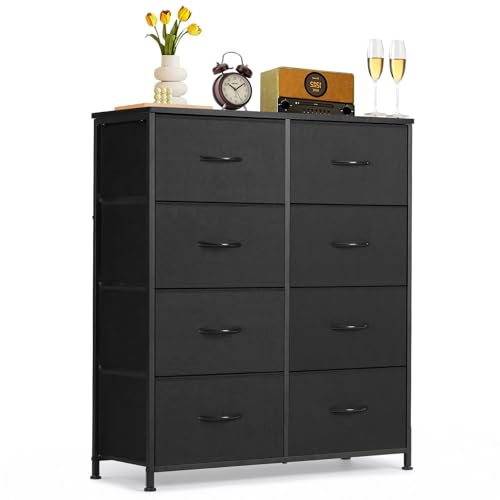
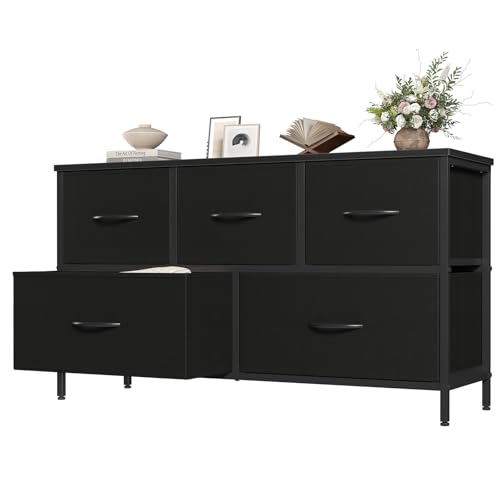
Dressers: The Complete Buying Guide for Every Bedroom
A dresser is more than a piece of furniture — it is the daily workhorse of your bedroom. It stores your clothes, keeps your space organized, and anchors the visual style of the room. Yet many shoppers buy the wrong size, the wrong drawer configuration, or the wrong material simply because nobody explained the trade-offs. This guide closes that gap. Below you will find clear explanations of dresser types, how to measure your space correctly, which drawer mechanisms hold up over time, how material choices affect longevity, and how to organize drawers so the piece stays useful for years.
Whether you need a compact three-drawer dresser for a small room, a six-drawer model for a shared bedroom, or a tall dresser that fits a narrow wall, the decision becomes much easier once you understand the fundamentals. Use this page as your research hub before you compare specific products.
What Is a Dresser, and How Is It Different from a Chest of Drawers?
The terms are often used interchangeably, but furniture professionals draw a practical distinction. A dresser is typically wider than it is tall, with a broad top surface that can hold a mirror, lamp, or decorative items. It usually sits at waist height or slightly below, making the top easy to use. A chest of drawers, by contrast, is taller than it is wide. It concentrates storage vertically and takes up less floor space, which makes it a strong choice for narrow rooms or walk-in closets.
The right choice depends on your room layout and how you use the piece. If you want a surface for everyday items and a mirror, a wide dresser works better. If floor space is tight but ceiling height is generous, a tall chest gives you more drawer volume per square foot of floor. Many bedrooms benefit from both: a wide dresser for folded clothes and a narrow chest for accessories, linens, or overflow storage.
Dresser Sizes: How to Measure Before You Choose
Size is the single most common reason people regret a dresser purchase. Before comparing styles, measure three things: the available wall width, the depth of the room clearance, and the height you can comfortably reach. A dresser that blocks a doorway or crowds a walking path will feel wrong no matter how attractive it looks.
Width guidelines are straightforward. A 30-inch wide chest of drawers suits tight spaces such as small guest rooms or beside a bed. A 36-inch wide model is a versatile mid-size option for most bedrooms. A 48-inch wide chest offers generous storage without dominating the room. For large primary bedrooms or shared spaces, a 72-inch wide dresser provides substantial capacity and a strong visual anchor.
Height matters too. Standard dresser height ranges from roughly 30 to 40 inches, which keeps the top surface usable for most adults. Tall chests can reach 50 inches or more. If you plan to place a mirror or television on top, confirm the total height leaves a comfortable viewing angle. Also check the drawer depth: deep drawers hold bulkier items such as sweaters, while shallow drawers work better for folded shirts and accessories.
Drawer Count and Configuration: Matching Storage to Your Wardrobe
Drawer count is not just a number — it is a statement about how you organize. A four-drawer dresser is a solid starting point for a single adult with a modest wardrobe. A five-drawer model adds flexibility, often pairing wider bottom drawers with narrower top drawers. A six-drawer dresser suits couples or anyone who needs to separate categories clearly. Larger households or people with extensive clothing collections may prefer an eight-drawer chest or a seven-drawer dresser that combines multiple drawer widths in one footprint.
Look beyond the count at the actual drawer dimensions. A dresser with six shallow drawers stores less than one with four deep drawers, even though the numbers suggest otherwise. Think about what you fold, roll, or stack, and choose a configuration that matches those habits. If you share the dresser, consider models with clearly divided drawer banks so each person has a dedicated zone.
Materials and Construction: What Determines Longevity
The material affects durability, weight, maintenance, and how the piece ages. Solid wood dressers — oak, pine, maple, walnut, and cherry — are the traditional benchmark. They can be refinished, repaired, and passed on. An oak chest of drawers offers a hard, dense surface that resists daily wear, while a pine chest is lighter and develops character over time. Cherry and walnut bring richer tones and are often associated with premium and luxury tiers.
Engineered wood dressers use composite cores with veneers or laminates. They are stable, consistent, and typically occupy the entry-level and mid-range tiers. Quality varies widely: well-built engineered pieces with reinforced joinery can serve for many years, while thin panels and weak fasteners do not. When comparing, check the drawer bottoms, the back panel, and the corner joints — these hidden areas reveal more about construction than the visible finish.
Hardware and drawer slides matter just as much as the case material. Heavy-duty soft-close drawer slides prevent slamming and reduce wear on the drawer box. Full-extension slides let you reach the back of the drawer, which makes deep drawers far more usable. Entry-level models often use basic side-mounted slides, while mid-range and premium pieces increasingly include soft-close or full-extension mechanisms. If smooth daily operation matters to you, prioritize the slide quality over decorative details.
Styles and Finishes: Finding the Right Look
Style should follow function, but it also shapes how the room feels. Modern dressers emphasize clean lines, minimal hardware, and flat fronts. Mid-century modern dressers feature tapered legs, warm wood tones, and distinctive drawer pulls. Farmhouse and rustic styles favor painted finishes, plank details, and substantial hardware. Traditional and antique-inspired pieces often include painted finishes, carved details, or mirrored fronts.
Color choices are practical as well as aesthetic. A white dresser brightens a small room and pairs easily with most palettes. A gray dresser is a neutral bridge between warm and cool tones. A black dresser creates contrast and reads as a deliberate design choice. Natural wood finishes show grain and add warmth. If you want hardware to stand out, consider a dresser with black hardware for graphic contrast, or gold-toned pulls for a warmer, more decorative look.
Dressers for Specific Rooms and Needs
The same dresser that works in a primary bedroom may be wrong for a nursery or a closet. In a nursery, safety and height are the priorities. A children's dresser should be stable, with drawers that are easy to open and a top surface that supports a changing pad if needed. A changing table chest of drawers combines storage and function in one piece, and a changing table topper can convert an existing dresser safely.
For walk-in closets and dressing rooms, a chest for closet keeps folded items organized without taking up bedroom floor space. A chest of drawers for a walk-in closet can be sized to fit a specific wall and organized by category. In small apartments, a dresser and desk combo or a dresser with TV stand function doubles the utility of a single footprint. If you are furnishing a full bedroom, a dresser and nightstand combo or a coordinated dresser and nightstands set simplifies the design decision and keeps the room visually cohesive.
Organization: How to Make a Dresser Work Harder
A well-chosen dresser still underperforms if the drawers are chaotic. Start with a dresser with organizer features, or add drawer dividers and a clothes drawer organizer to separate categories. Fold clothes vertically where possible so you can see every item at a glance. Reserve deep drawers for bulky items and shallow drawers for folded shirts, accessories, and delicates. Rotate seasonal clothing out of the dresser and into under-bed or closet storage to keep daily drawers uncluttered.
Maintenance also extends the life of the piece. Tighten hardware periodically, keep the drawers aligned, and avoid overloading any single drawer beyond its slide rating. If a drawer begins to stick, address the slide or the alignment before the wood or hardware wears further.
How to Compare Dressers Before You Decide
Once you understand size, drawer configuration, material, and style, comparison becomes systematic. First, confirm the footprint fits your measured space with clearance for doors and walking paths. Second, confirm the drawer layout matches what you actually store. Third, check the construction details: drawer slides, joinery, and back panels. Fourth, confirm the finish and hardware match the room. Finally, consider the tier of the piece relative to how long you intend to keep it. Entry-level and starter-tier dressers suit temporary setups and guest rooms; mid-range and balanced-tier pieces suit most long-term bedrooms; premium, high-end, and luxury tiers suit buyers who want refined materials, refined hardware, and long service life.
If you are still narrowing down categories, the main dressers hub organizes every style and size into browsable sections. For specific configurations, start with the size and drawer count that match your measurements, then compare materials within that shortlist.
Frequently Asked Questions About Dressers
What size dresser fits a small bedroom?
A 30-inch to 36-inch wide dresser is usually the right starting point for a small bedroom. Measure the wall and leave at least 24 inches of walking clearance in front of the drawers. A tall, narrow chest can store more in the same floor footprint if width is the constraint.
How many drawers do I need?
For one adult with a moderate wardrobe, four to five drawers is typically sufficient. Couples and anyone separating many clothing categories usually benefit from six or more. Focus on usable drawer volume rather than the raw count.
Are solid wood dressers worth the investment?
Solid wood dressers are a long-term investment. They can be repaired and refinished, and quality joinery holds up over decades. Engineered wood can be a solid choice in the entry-level and mid-range tiers, but construction quality varies more widely, so inspect the drawer bottoms and joints carefully.
What do drawer slides tell me about quality?
Drawer slides are one of the clearest quality signals. Heavy-duty soft-close and full-extension slides indicate a better-built piece and make daily use smoother. Basic side-mounted slides are common in entry-level models and are acceptable for light use but wear faster under heavy loads.
Can a dresser double as a TV stand or desk?
Yes. A dresser with a TV stand function or a dresser and desk combo is a practical space-saving choice. Confirm the top surface dimensions and weight capacity before placing a television or monitor on it, and check that the height gives a comfortable viewing angle.
How do I keep drawers organized long-term?
Use dividers, fold vertically, assign categories to specific drawers, and rotate seasonal clothing out regularly. A simple system that everyone in the household understands is more likely to be maintained than an elaborate one.
Ready to Choose Your Dresser?
You now have the full framework: measure the space, match the drawer configuration to your wardrobe, evaluate construction and slides, and choose a style that fits the room. Use the guides above to explore specific categories, and compare products using the recommended list below. Every recommendation is organized by tier and intended use so you can move from research to a confident decision.