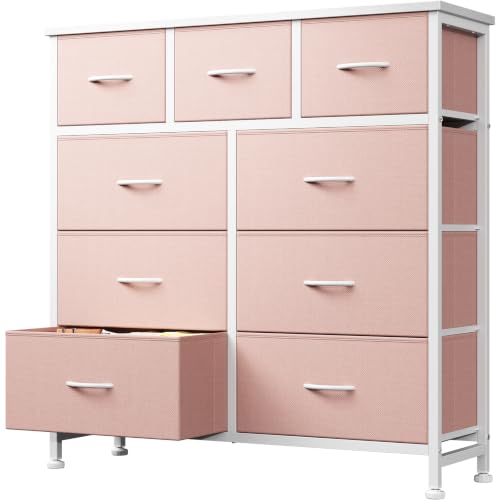
Children's Dresser: A Complete Safety and Buying Guide
Everything parents need to choose a safe, durable, and age-appropriate dresser for a child's bedroom or nursery.
START WITH SAFETYWhy a children's dresser deserves extra attention: A dresser in a child's room is more than storage — it is a piece of furniture a young child interacts with daily. Drawers get pulled, climbed, and leaned on. That is why safety, stability, and age-appropriate design matter far more in a child's room than in any adult bedroom. This guide walks you through every decision, from anchoring and drawer stops to size, material, and long-term durability, so you can choose with confidence.
1. Child Safety Fundamentals: What Parents Must Check First
Safety is the single most important factor when shopping for a children's dresser. Furniture tip-over incidents remain one of the most common preventable injuries in the home, and dressers are frequently involved because children naturally pull open drawers and use them as steps. The good news is that modern dressers designed for children's rooms address these risks directly — provided you know what to look for.
Non-Negotiable Safety Checklist
- Wall anchoring kit included: Every dresser in a child's room must be anchored to the wall. Choose models that ship with a proper anti-tip strap or bracket, not just a warning sticker.
- Interlock or drawer-stop mechanism: Only one drawer should open at a time, or drawers should stop before fully extending. This prevents a child from pulling out multiple loaded drawers and shifting the center of gravity.
- Rounded and sanded edges: Sharp corners on a dresser top are a common cause of bumps and cuts. Look for rounded profiles or edge banding.
- Non-toxic, low-emission finishes: Children touch surfaces constantly and put hands in their mouths. Choose water-based finishes and products that meet recognized low-emission standards for indoor furniture.
- Sturdy base and back panel: A reinforced back panel and a solid base prevent flexing, which keeps the anchoring system effective over years of use.
- No accessible gaps: Gaps between drawers and the frame should be small enough that small fingers cannot become trapped.
Beyond the dresser itself, placement matters. Position the dresser on a level floor, away from the crib or bed where a child might climb from one surface to the other. Avoid placing heavy decorative items on top that could fall during an earthquake or a climbing attempt. For nursery settings, a nursery dresser with a changing topper combines two functions, but it must still be anchored — a changing station that tips is far more dangerous than a standard dresser.
2. Choosing the Right Size for a Child's Room
Size affects both safety and usability. A dresser that is too tall invites climbing; one that is too deep wastes floor space in a small room. For children's rooms, the practical sweet spot is a dresser 30 to 48 inches wide with a height of 30 to 36 inches — tall enough to provide real storage, short enough that a school-age child can reach the top drawer without a stool.
Width and Footprint
Measure the wall where the dresser will sit and leave clearance for the anchoring strap and for drawers to open fully. A three-drawer model around 30 inches wide fits neatly beside a bed or under a window in a compact room. In larger rooms, a four- or five-drawer model up to 48 inches wide offers more capacity while still keeping the top surface within a child's reach.
Depth
Standard dresser depth runs 16 to 20 inches. For a child's bedroom, 16 to 18 inches is usually sufficient and reduces the risk of the dresser crowding walkways. If you need deeper storage for bulkier items like blankets or seasonal clothing, a chest of drawers with deep drawers can be a smarter alternative to a deeper dresser, because the extra depth is concentrated in fewer, sturdier drawers.
Height and Climbing Risk
Height is where child safety and storage capacity pull in opposite directions. Tall dressers offer more drawers but are heavier and more top-heavy, which makes anchoring absolutely critical. For younger children, favor a lower profile. Once your child is older and the dresser is firmly anchored, a taller unit such as a vertical dresser can work well in a smaller footprint. If you are working with a very tight room, a small bedroom dresser or a small chest dresser preserves floor space without sacrificing the essentials.
3. Materials and Finishes: Durability Meets Peace of Mind
Children's furniture takes a beating. Drawers are slammed, surfaces are wiped with whatever is at hand, and the occasional marker finds its way onto a side panel. The material you choose determines how the dresser survives that treatment — and how safe it is in the process.
Solid Wood
Solid wood remains the most durable option for a children's dresser. It holds screws and hardware securely, resists warping, and can be refinished or repainted as your child's taste changes. Heavier solid wood also contributes to stability, though anchoring is still mandatory. For parents who want a long-term piece, a solid wood 6 drawer dresser offers generous storage and can serve through the teen years.
Engineered Wood and Veneer
Engineered wood with a quality veneer is a common choice for children's furniture because it is lighter and more consistent. The key is the construction quality: look for reinforced drawer boxes, sturdy back panels, and edge banding that will not peel. Finish quality matters just as much as the substrate. A dresser with a painted finish can be a practical option for a child's room, but confirm the paint is water-based and low-emission.
Finishes to Prefer and Avoid
Water-based finishes, natural oils, and low-VOC paints are the safest choices for a child's room. Avoid heavily lacquered surfaces that can chip into sharp flakes, and skip any product with a strong chemical odor out of the box. A white dresser with a wooden top is a popular combination for children's rooms because the painted body is easy to wipe clean while the wood top adds warmth and hides light wear.
4. Drawer Mechanisms and Hardware
The drawer mechanism is where a children's dresser earns or loses its safety reputation. Cheap glides that allow drawers to slam or pull completely free are a hazard; quality mechanisms make the dresser easier to use and safer to live with.
- Drawer stops: The most important feature. Stops prevent a drawer from being pulled entirely out and used as a step.
- Self-closing or soft-close glides: These reduce pinch injuries and prevent drawers from being left open — an open drawer is a climbing invitation.
- Metal drawer slides: Steel slides with ball bearings outlast plastic roller slides and stay smooth as the dresser ages. Heavy-duty slides, such as those rated for high load capacity, are worth prioritizing if the dresser will hold books or toys.
- Sturdy pulls: Recessed pulls or smooth, rounded knobs are preferable to protruding handles that can catch clothing or be grabbed by a climbing child.
- Interlock systems: Some children's dressers include a mechanism that allows only one drawer to open at a time, which keeps the unit balanced.
If you are converting a dresser for nursery use with a changing topper, check that the top drawers operate smoothly enough to access frequently used items one-handed. A 3 drawer dresser changing table dresser is a common configuration for this reason — the top drawer holds changing essentials within easy reach.
5. Age-by-Age Recommendations
The right children's dresser changes as your child grows. What works in a nursery is not what a ten-year-old needs. Use this table as a starting framework, then adjust for your child's height, mobility, and the size of the room.
| Age Range | Best Configuration | Key Priorities |
|---|---|---|
| 0–2 years (nursery) | 3-drawer dresser with changing topper, 30–40 inches wide | Wall anchoring, non-toxic finish, one-hand drawer access, rounded edges |
| 3–5 years (toddler) | 3–4 drawer dresser, 32–40 inches wide, 30–32 inches tall | Drawer stops, self-closing glides, low height for independent access |
| 6–9 years (school age) | 4–5 drawer dresser, 40–48 inches wide, 32–36 inches tall | Storage capacity, sturdy pulls, durable finish, secure anchoring |
| 10+ years (tween and teen) | 5–6 drawer dresser or tall chest, 44–60 inches wide | Long-term durability, style flexibility, solid wood construction |
For the nursery stage, a dedicated tall nursery dresser maximizes storage in a small footprint, while a 3 drawer solid wood dresser is a classic choice for toddlers because it keeps drawers at a reachable height. As children grow, consider pairing the dresser with other storage pieces to build a coordinated room — a two nightstands and dresser set can unify a child's bedroom as it evolves from toddler to teen.
6. Styles That Grow With Your Child
Children's furniture is often replaced too quickly because parents choose a highly themed piece that feels outdated within a few years. A more sustainable approach is to choose a style that is neutral enough to adapt — then let color, bedding, and accessories carry the personality.
Neutral Foundations
White, natural wood, and soft gray finishes are the most adaptable foundations for a child's room. A white dresser with a wooden top bridges nursery and school-age decor effortlessly. For a warmer, more textured look, a wood dresser in a light tone works across styles from Scandinavian to farmhouse.
Statement Pieces
If you want the dresser to be a focal point, a colored finish can work well as long as the silhouette stays simple. An emerald green dresser, for example, reads as playful in a child's room and sophisticated in a teen's room — the same piece serves both stages. Pair bold color with simple hardware and clean lines so the piece does not date quickly.
Flexible Configurations
Look for dressers that can be repurposed. A dresser with cabinets and drawers offers open shelving for books and toys alongside closed storage for clothing — useful as a child's interests change. Similarly, a dresser with mirror supports a grooming routine for older children while the dresser itself remains a storage workhorse.
7. Quality Tiers Explained
Children's dressers fall into broad quality tiers that reflect construction, hardware, and finish durability rather than any single feature. Understanding the tiers helps you match the dresser to how long you expect to use it.
| Tier | Typical Construction | Best For |
|---|---|---|
| Entry-level | Engineered wood, plastic or basic metal glides, simplified anchoring kit | Short-term nursery use, secondary storage, rental homes |
| Mid-range | Engineered wood with veneer, metal ball-bearing slides, drawer stops, included anti-tip kit | Everyday family use from toddler through school age |
| Premium | Solid wood or high-grade engineered wood, soft-close hardware, reinforced back panel | Long-term use through the teen years, heirloom-minded families |
| Luxury | Hardwood construction, premium joinery, hand-finished low-emission surfaces | Design-forward children's rooms and multi-generation use |
Within any tier, the safety features described earlier — anchoring, drawer stops, rounded edges, and low-emission finishes — should be treated as requirements, not upgrades. A well-specified mid-range dresser with a complete safety kit is a better choice for a child's room than a premium dresser that skips the fundamentals.
Ready to Choose Your Child's Dresser?
Browse our curated selection of children's dressers and storage pieces, filtered for safety, durability, and age-appropriate design.
Explore Recommended OptionsFrequently Asked Questions About Children's Dressers
What size dresser is best for a child's room?
For most children's rooms, a dresser between 30 and 48 inches wide works well. A height of 30 to 36 inches lets young children reach the top drawers safely. In compact rooms, a narrow or three-drawer model preserves floor space. Always measure the wall and confirm drawers can open fully before choosing.
How do I anchor a children's dresser to the wall?
Use the anti-tip kit supplied with the dresser, or a dedicated wall-anchoring strap. Attach one end to a wall stud or a masonry anchor and the other to the back of the dresser frame. Never rely on drywall anchors alone. Check the anchoring hardware every few months, especially if the dresser is moved for cleaning.
Are solid wood dressers safer for children?
Solid wood dressers tend to be heavier and more stable, but weight alone does not make a dresser safe. Every dresser in a child's room must be anchored to the wall. Beyond anchoring, prioritize smooth rounded edges, non-toxic finishes, drawer stops, and a sturdy back panel regardless of the material.
What features should I look for in a toddler dresser?
Look for drawer stops that prevent full pull-out, soft-close or self-closing glides, rounded corners, an included wall-anchoring kit, and a finish that meets recognized low-emission standards. A changing table topper is useful during the nursery stage, but the dresser must remain anchored whether or not the topper is attached.
Can I use an adult dresser in a child's room?
Yes, provided it meets the same safety requirements: it must be anchored to the wall, have drawer stops, and have no sharp edges or accessible gaps. Adult dressers are often taller and heavier, so anchoring is even more critical. If the dresser is significantly taller than your child, limit which drawers they can access independently.