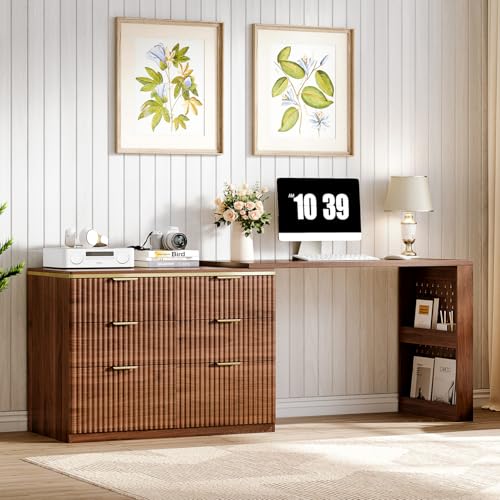
Dresser and Desk Combo: Smart Space-Saving Guide
One footprint, two essential functions. Learn how a combined dresser and desk unit can organize your clothing and create a dedicated workspace without crowding your room.
Explore the Buying GuideWhy consider a combo? A dresser and desk combination is one of the most practical furniture investments for compact bedrooms, studio apartments, guest rooms, and home offices. Instead of placing a separate dresser against one wall and a desk against another, a single combined unit keeps storage and productivity in one coordinated spot — freeing up valuable floor space and reducing visual clutter.
What Is a Dresser and Desk Combo?
A dresser and desk combo is a furniture piece that merges clothing storage drawers with a flat working surface in a single unit. The concept has grown in popularity as homes become more space-conscious and remote work becomes a regular part of daily life. Rather than choosing between storage and a workspace, you get both in a thoughtfully engineered footprint.
These units typically fall into a few structural categories. Understanding the differences helps you match the piece to your room layout, your daily routine, and your storage volume.
Dresser Beside Desk
The dresser drawers and the desk surface sit next to each other at a similar height. This layout creates a continuous horizontal line and works well along a long bedroom wall.
Desk Over Dresser
A raised desk platform sits above the dresser drawers. This vertical approach suits narrow rooms where wall width is limited but ceiling height is generous.
Attachable Desk Section
The desk is a separate module that fastens to the dresser frame. This format offers flexibility — the desk can sometimes be reconfigured or detached later.
L-Shaped Combo
An L-shaped unit wraps around a corner, placing the desk on one leg and the dresser on the other. This maximizes usable surface area in square or irregular rooms.
How to Choose the Right Combo Unit
Buying a dresser and desk combo is different from buying either piece alone. Because the unit serves two roles, the decision involves balancing storage capacity, workspace ergonomics, structural quality, and room fit. The checklist below walks through the factors that matter most.
1. Measure the Footprint and Clearance
Start with the floor space you can dedicate to the unit. Account for drawer pull-out clearance — drawers need room to open fully — and leave space for a chair to slide in and out at the desk section. For tight rooms, a loft bed with desk and dresser underneath is an alternative layout that stacks functions vertically.
2. Match Desk Height to Your Seating
Standard desk height ranges are designed around typical office chairs. If the combo unit has a fixed desk surface, confirm it aligns with the chair you plan to use. A surface that is too high or too low leads to strain during longer work sessions. If the dresser and desk are at different heights, check that the transition does not interfere with knee clearance.
3. Evaluate Drawer Capacity and Glide Quality
The dresser half of the unit should match your clothing volume. A three-drawer layout suits lighter wardrobes, while five drawer dressers or a 6 drawer tall chest of drawers offer more room for folded items. Drawer glides matter just as much: heavy-duty soft-close drawer slides and full-extension dresser slides make daily use smoother and more durable over time.
4. Assess the Desk Load and Cable Management
If you plan to place a monitor, laptop, or lamp on the desk section, verify the surface's weight capacity and stability. Some combo units include built-in cable cutouts or rear grommets; others do not. For a dedicated work setup, consider a dresser with TV stand combo if you need a broader top surface for a screen and accessories.
5. Choose Materials That Suit Your Room
Material affects durability, weight, and visual style. Solid wood — such as brown oak dresser constructions — offers long-term structural integrity. Engineered wood dressers are widely available and consistent in finish. For a design-forward bedroom, lacquered dressers deliver a smooth, reflective surface. In smaller rooms, a light gray dresser finish can make the unit feel less visually heavy.
6. Check Safety Features
Tall combo units should include anti-tip hardware or a wall-anchoring strap. Because the desk section may be used for leaning or resting items, stability is a safety priority. Confirm the unit's construction quality at joints and check whether the manufacturer specifies a wall anchor.
Dresser and Desk Combo Configurations Compared
Use this overview to compare the main layout types against the needs of your room and routine. The "Best For" column describes the scenario each configuration suits most naturally.
| Configuration | Tier | Best For | Key Consideration |
|---|---|---|---|
| Side-by-side dresser and desk | Essential tier | Long bedroom walls, shared rooms | Requires wider wall space; creates a unified horizontal line |
| Desk over dresser (stacked) | Balanced tier | Narrow rooms with limited wall width | Desk height must suit seating; verify knee clearance |
| Modular attachable desk | Mid-tier | Renters and flexible layouts | Check that the attachment is stable and reconfigurable |
| L-shaped corner combo | Premium | Square rooms, corner optimization | Maximizes surface area; confirm corner measurements |
| Loft bed with desk and dresser underneath | High-end tier | Tiny bedrooms, dorm rooms, studios | Vertical stacking frees floor space; mind ceiling height |
Which Rooms Benefit Most From a Combo?
Combination units are not only for small bedrooms. They also solve storage and workspace problems in a range of multi-purpose spaces.
Small Bedrooms and Studios
When floor space is at a premium, consolidating the dresser and desk into one footprint can open up walking space and reduce clutter. Pairing the combo with a matching dresser and nightstand combo creates a coordinated storage system without overwhelming the room.
Guest Rooms and Home Offices
A guest room that doubles as a workspace benefits from a unit that stores linens or clothing in the dresser section while offering a desk for occasional work. A dresser and desk combo in this setting is efficient because neither function requires a full-sized dedicated piece.
Kids' Rooms and Dorm Spaces
For children and students, a combo unit supports homework, creative projects, and clothing storage in one organized station. A children's dresser style with accessible drawer heights keeps storage within reach.
Quality Tiers: What to Expect
Combo units span a range of construction quality. Rather than comparing figures, it helps to understand what each tier typically delivers in structural terms.
Starter Tier
Basic drawer glides, simpler joinery, and lighter frame construction. Suitable for light use in guest rooms or temporary setups.
Balanced Tier
Improved glide mechanisms, more consistent finishes, and reinforced joints. A solid choice for daily use in a primary bedroom.
High-End Tier
Premium materials, soft-close hardware, and careful detailing. Built for long-term daily use with a refined finish.
Top-Tier
Solid wood construction, custom-grade hardware, and precise craftsmanship. A long-term investment piece for a primary suite or dedicated office.
Care and Maintenance Tips
- Dust the desk surface regularly and use a coaster for drinks to protect the finish.
- Keep drawer glides clean and lightly lubricated where the manufacturer allows.
- Avoid overloading the desk section beyond its stated capacity.
- Re-tighten hardware periodically, especially on modular or attachable desk sections.
- Use drawer organizers to keep the storage half efficient — a drawer divider or clothes drawer organizer helps maintain order.
- Reapply wall anchors if the unit is moved or repositioned.
Frequently Asked Questions
What is a dresser and desk combo?
It is a single furniture unit that combines clothing storage drawers with a workspace surface. Common configurations include side-by-side layouts, desk-over-dresser designs, modular attachable desks, and L-shaped corner units.
Is a dresser and desk combo good for small bedrooms?
Yes. A combo consolidates two essential pieces into one footprint, which is especially useful in small bedrooms, studio apartments, and dorm rooms. It reduces clutter and frees floor space for movement.
How do I choose between side-by-side and stacked configurations?
Choose side-by-side if you have a long wall and prefer a continuous horizontal line. Choose stacked if wall width is limited but ceiling height allows vertical use. Measure both options against your room before deciding.
What should I check before buying?
Measure floor space and drawer clearance, confirm desk height suits your chair, evaluate drawer glide quality, verify the desk section's weight capacity, and check for anti-tip safety hardware.
Can a combo unit work in a home office?
Yes. Combo units are practical in home offices and multi-purpose rooms where both clothing or supply storage and a work surface are needed. They are especially useful in guest rooms that double as workspaces.
Ready to Find Your Perfect Combo?
Browse recommended dresser and desk combination units and compare configurations, storage capacity, and build quality in one place.
View Recommended Combos