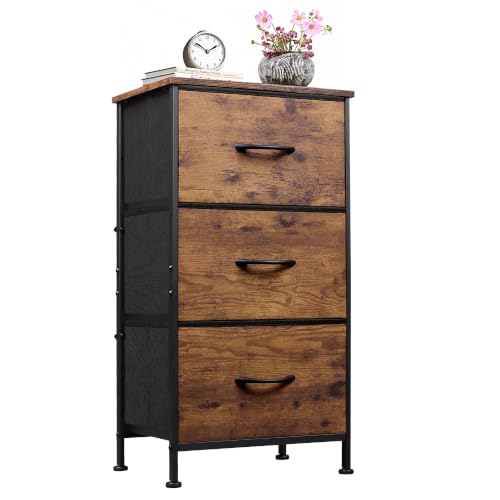
Mid Century Modern 3 Drawer Dresser: Complete Buying Guide
Everything you need to know before choosing a streamlined, retro-inspired three-drawer dresser for your bedroom, guest room, or hallway.
START READINGWhy this guide matters: A mid century modern 3 drawer dresser is one of the most versatile storage pieces in modern furniture. It balances compact proportions with distinctive design language — tapered legs, clean lines, and warm wood tones. But not all three-drawer dressers are built to the same standard. This guide walks you through sizing, materials, drawer construction, styling, and safety so you can make a confident, informed decision.
What Defines a Mid Century Modern 3 Drawer Dresser
The mid century modern aesthetic emerged in the mid-20th century and remains one of the most enduring furniture styles today. A mid century modern 3 drawer dresser is a compact storage piece that carries the signature design cues of this era: clean geometric lines, tapered or angled legs, minimal ornamentation, and a strong emphasis on natural wood grain or bold period-appropriate finishes.
Unlike larger six- or nine-drawer dressers, a three-drawer configuration is intentionally compact. It works well in smaller bedrooms, guest rooms, entryways, and even living spaces where a low-profile storage console is needed. The reduced drawer count also makes it a smart choice for children's rooms and nurseries, where lower heights and manageable drawer sizes improve accessibility.
Key design characteristics to look for include:
- Tapered legs — often splayed or angled, a hallmark of mid century design.
- Clean, unadorned drawer fronts — flat panels without excessive molding or carving.
- Warm wood tones — walnut, teak, oak, and cherry are classic choices.
- Minimal hardware — recessed pulls, slim metal handles, or simple round knobs.
- Low, horizontal profile — wider than it is tall, creating a grounded look.
If you are still exploring the broader category, our complete dresser types guide covers the full spectrum of styles and configurations. For those specifically interested in the three-drawer format, the compact footprint is both its greatest strength and its primary limitation — it stores less than larger chests but fits into tighter spaces with ease. You can also explore dedicated 3 drawer solid wood dresser options if durability and natural materials are your priority.
Dimensions & Space Planning
Before selecting a mid century modern 3 drawer dresser, measure your available floor space and consider the room's traffic flow. These dressers typically fall within a predictable size range, but small variations matter when you are working with a tight layout.
Most three-drawer mid century dressers measure approximately:
- Width: 30 to 48 inches
- Depth: 15 to 20 inches
- Height: 28 to 34 inches
A three-drawer dresser in the 30- to 36-inch width range is ideal for small bedrooms, guest rooms, and apartments. If you have a bit more wall space, a 48-inch-wide model offers generous drawer capacity while maintaining the low, horizontal profile that defines the style. For comparison, you may want to review the dimensions and layout of a 30 inch wide chest of drawers or a 36 inch wide chest of drawers to see how width affects storage capacity.
Consider these space-planning tips:
- Leave at least 24 to 30 inches of clearance in front of the dresser so drawers can open fully.
- Account for baseboard thickness and wall trim when measuring your available width.
- In a bedroom, ensure the dresser does not block closet doors, window access, or outlet placement.
- If you plan to place a mirror or art above the dresser, factor in the visual weight before committing to a height.
Materials & Build Quality
Material choice is one of the most significant factors in how a dresser looks, feels, and holds up over time. Mid century modern dressers are available in a wide range of materials, from solid hardwood to engineered wood with veneer finishes.
Solid Wood
Solid wood — particularly walnut, teak, oak, cherry, and maple — is the gold standard for mid century furniture. It offers genuine grain character, ages gracefully, and can be refinished in the future. Solid wood construction is typically found in the premium and luxury tiers, where joinery quality and material selection are given careful attention. If longevity is your primary concern, a solid wood three-drawer dresser is a long-term investment that will outlast many engineered alternatives.
Engineered Wood with Veneer
Engineered wood (MDF, particleboard, or plywood) with a wood veneer finish is common in the mid-range tier. Good-quality veneers can closely mimic the appearance of solid wood, and modern manufacturing processes produce stable, durable panels. The key is to look for well-finished edges, consistent veneer application, and reinforced joints. Our guide to engineered wood dressers explains the trade-offs in more detail.
Painted and Lacquered Finishes
Mid century modern design also embraces bold painted finishes — mustard yellow, teal, olive green, and crisp white are popular choices. A dresser with painted finish can be a striking focal point in a neutral room. Lacquered finishes offer a smooth, glossy surface that reflects light and adds a touch of retro glamour. Browse our lacquered dressers collection for inspiration.
Entry-Level Tier
Engineered wood with printed or thin veneer finishes. Suitable for light use and budget-conscious setups, but may show wear sooner in high-traffic areas.
Mid-Range Tier
Better-quality engineered wood or mixed construction with thicker veneers. Improved drawer hardware and more consistent finishing. A solid choice for most households.
Premium Tier
Solid wood construction with dovetail or mortise-and-tenon joinery. Smooth-glide drawer mechanisms and high-grade hardware. Built to last decades.
Luxury Tier
Exotic woods, hand-finished details, custom hardware, and heirloom-level craftsmanship. Often made to order by specialist furniture makers.
When evaluating build quality, look beyond the surface. Check the weight of the piece — heavier dressers generally use denser materials and more substantial hardware. Examine drawer interiors for smooth sanding, and confirm that the back panel is properly attached and not flimsy. These details separate a dresser that lasts a few years from one that becomes a family piece.
Drawer Construction & Hardware
The drawers are the working heart of any dresser, and mid century modern 3 drawer dressers are no exception. Because there are only three drawers, each one needs to function smoothly and offer practical storage volume.
Drawer Box Construction
High-quality drawers use dovetail joints at the corners — interlocking wedge-shaped cuts that are both strong and visually distinctive. Less expensive drawers may use stapled or nailed construction, which is more prone to loosening over time. If you can inspect the dresser in person, pull out a drawer and look at the corner joints. Dovetail joinery is a reliable sign of premium construction.
Drawer Slides
Mid century modern dressers traditionally use wooden drawer runners, where the drawer slides directly on the wood frame. While this is authentic to the period, wooden runners can become sticky over time. Many modern reproductions and contemporary interpretations use metal ball-bearing slides or heavy-duty soft-close drawer slides for smoother operation. If you value quiet, effortless drawer movement, look for soft-close or full-extension slides. Our guide to heavy-duty full-extension drawer slides explains the benefits of different slide mechanisms.
Drawer Pulls and Hardware
Hardware is where mid century design often shines. Recessed pulls, slim brass or black metal handles, and simple round knobs are all period-appropriate. If you are restoring or customizing a dresser, our guides to mid century dresser drawer pulls and mid century modern drawer pulls offer detailed recommendations on styles and finishes. You can also browse dressers with black hardware for a bolder, modern contrast.
Interior Organization
A three-drawer dresser typically divides storage into three generous compartments. Consider how you will use each drawer before you buy. Many people assign one drawer to tops and t-shirts, one to bottoms and folded pants, and one to accessories, activewear, or seasonal items. Adding drawer dividers or a clothes drawer organizer can dramatically improve efficiency. For a deeper dive into drawer strategy, see our dresser organization guide.
Size & Tier Comparison
Use the table below to compare typical mid century modern 3 drawer dresser configurations across size categories and market tiers. This is a reference for relative positioning, not an absolute specification sheet.
| Category | Typical Width | Best For | Market Tier |
|---|---|---|---|
| Compact | 30–34 inches | Small bedrooms, apartments, guest rooms, entryways | Entry-level to mid-range |
| Standard | 36–40 inches | Primary bedrooms with moderate storage needs | Mid-range to premium |
| Wide | 42–48 inches | Larger bedrooms, shared rooms, hallway consoles | Premium to luxury |
| Narrow Tall | 24–30 inches | Tight corners, closets, dorm rooms | Entry-level to mid-range |
If you are considering a wider piece, our 48 inch wide chest of drawers overview and long mid century modern dresser guide provide additional context. For very tight spaces, the 30 inch wide cabinet with doors may be a better fit than a drawer-based piece. And if you are furnishing a child's room, our children's dresser guide covers safety and sizing considerations specific to younger users.
Styling & Placement Ideas
A mid century modern 3 drawer dresser is a visually distinctive piece, and where you place it matters as much as what you place on it. Here are practical styling and placement ideas to get the most from your dresser.
Bedroom Placement
The most common placement is against a bedroom wall, either opposite the foot of the bed or adjacent to it. A three-drawer dresser works well as a secondary storage piece when paired with a larger chest or closet system. If you are building a coordinated bedroom, a mid century dresser and nightstand pairing creates a cohesive look without overwhelming the room.
Entryway and Hallway Use
The low, horizontal profile of a three-drawer dresser makes it an excellent entryway console. It provides concealed storage for keys, mail, gloves, and small accessories while offering a flat surface for a lamp, tray, or decorative object. This dual-purpose approach is a hallmark of thoughtful small-space design.
Dresser Top Styling
Keep the top surface intentional rather than cluttered. A common approach is to group items in threes: a lamp, a small tray for everyday items, and one decorative object. A mirror above the dresser can add light and visual height, though the dresser itself should remain the focal point. If you are considering a mirror, our mid century modern dresser with mirror guide explores options and proportions.
Color and Finish Pairings
Mid century modern dressers pair naturally with neutral wall colors, warm wood floors, and simple textiles. A walnut dresser against a white or cream wall feels classic and calm. A painted dresser — such as a modern navy dresser or a muted green — can serve as the room's color anchor. If you prefer a softer palette, browse our light gray dresser and gray dresser collections for inspiration.
Safety & Childproofing
Dresser tip-over accidents are a real and preventable risk, particularly in homes with young children. Any dresser — including a compact three-drawer model — should be anchored to the wall using the anti-tip hardware provided by the manufacturer. If the dresser does not include an anti-tip kit, purchase one separately and install it before use.
Additional safety considerations for households with children:
- Wall anchoring is non-negotiable. Secure the dresser to a wall stud or use appropriate wall anchors for your wall type.
- Check drawer stops. Drawers should not pull out completely and fall forward when fully extended.
- Avoid overloading top drawers. Heavy items in the top drawer raise the center of gravity and increase tip-over risk.
- Keep tempting items off the top. Children may climb the dresser to reach toys, remote controls, or other objects placed on top.
- Inspect hardware regularly. Loose handles or slides can pinch fingers or cause drawers to fall.
For nursery and child-focused storage, a dedicated 3 drawer dresser changing table dresser combines storage and a changing surface in one piece. If you are setting up a nursery, our changing table chest of drawers and changing table topper for dresser guides cover safety and fit considerations in detail.
Ready to Find Your Perfect Mid Century Modern 3 Drawer Dresser?
You now have the knowledge to evaluate size, materials, drawer construction, styling, and safety. Browse our curated selection of recommended dressers below and compare options that match your space and priorities.
Explore Recommended DressersFrequently Asked Questions
Is a 3 drawer dresser big enough for one person?
For many people, yes — especially if you have a closet for hanging clothes. A three-drawer dresser typically holds folded tops, bottoms, and accessories for one adult. If you need to store bedding, bulky sweaters, or a large wardrobe, a larger chest or a combination of storage pieces may be more suitable.
What is the difference between a dresser and a chest of drawers?
The terms are often used interchangeably, but traditionally a dresser is wider and lower (designed for use with a mirror), while a chest of drawers is taller and narrower. A three-drawer piece can fall into either category depending on its proportions. Our dresser vs chest of drawers comparison explains the distinctions in detail.
Can a mid century modern 3 drawer dresser be used in a living room?
Absolutely. The low, horizontal profile makes it an excellent console or media cabinet alternative. It provides concealed storage for remotes, cables, games, and everyday items while serving as a display surface for art, plants, or a lamp.
How do I know if a dresser is solid wood or engineered wood?
Check the product specifications, look for visible grain consistency on edges and surfaces, and inspect drawer interiors. Solid wood typically shows continuous grain patterns and feels heavier. Engineered wood with veneer may show repeating grain patterns and lighter weight. If purchasing online, read the material description carefully and look for terms like "solid wood," "wood veneer," or "engineered wood."
What is the best way to organize a 3 drawer dresser?
A common approach is to assign the top drawer to small items (accessories, socks, undergarments), the middle drawer to tops and t-shirts, and the bottom drawer to bulkier folded items like jeans, sweaters, or activewear. Drawer dividers and organizers can help maintain order. For a complete system, see our dresser organization guide.
Are mid century modern dressers still in style?
Yes. Mid century modern design has proven remarkably durable because of its emphasis on clean lines, functional forms, and quality materials. It integrates well with contemporary, minimalist, Scandinavian, and transitional interiors, making it a versatile and lasting choice.
Related Reading
If you are still narrowing down your options, these guides may be helpful:
- Mid Century Modern Dresser with Mirror — pairing a dresser with a mirror for a complete look.
- Long Mid Century Dresser — exploring wider proportions for larger rooms.
- Mid Century Dresser Drawer Pulls — hardware options for restoration or customization.
- 3 Drawer Solid Wood Dresser — a closer look at solid wood construction in the three-drawer format.
- Dresser and Nightstand Combo — coordinating your dresser with bedside storage.