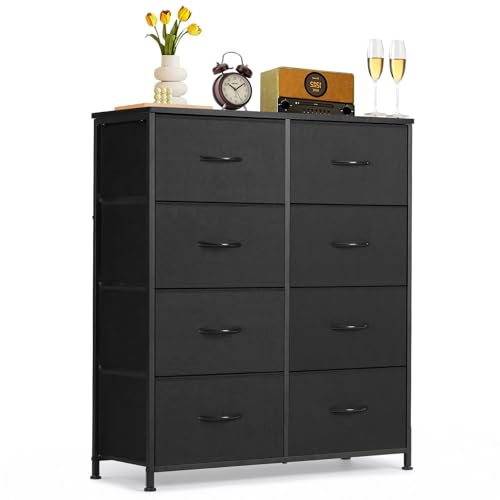
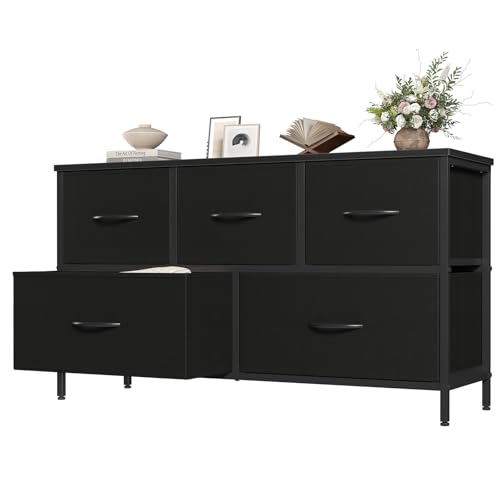
Chest for Closet: Smart Storage That Fits Your Space
Turn a crowded closet into an organized wardrobe zone. Learn how to choose a chest of drawers that fits perfectly, holds more, and keeps folded clothing accessible every day.
Explore Top PicksWhy a closet chest matters: Built-in shelving and hanging rods only go so far. A dedicated chest for closet storage gives you closed, dust-free drawers for folded garments, accessories, and off-season items — keeping your closet visually calm and functionally complete.
Why Add a Chest to Your Closet?
Most closets are designed around hanging space, leaving folded items stacked on open shelves where they collect dust, topple over, and get buried. A chest of drawers solves that problem directly. It converts vertical closet real estate into protected, organized storage — and because the drawers are inside the closet, your bedroom stays visually uncluttered.
A well-chosen chest for closet use also improves your daily routine. Instead of digging through stacks or moving bins, you pull open a drawer and see everything at once. For anyone who has outgrown their bedroom dresser, a secondary closet chest is often the simplest way to add capacity without adding furniture to the main room.
Closet chests work especially well for:
- Folded tops, knitwear, loungewear, and activewear
- Underwear, socks, and small accessories that need dividers
- Off-season clothing rotated in and out of active use
- Linens, towels, and guest bedding in spare-room closets
- Children's clothing in family or nursery closets
Pro Tip: Measure the Drawer Swing First
Before choosing any model, measure the clear floor space in front of your intended wall. A chest needs room for drawers to extend fully — typically the drawer depth plus a comfortable standing zone. In narrow walk-ins, a tall, shallow chest is often more practical than a wide low one.
Key Factors When Choosing a Closet Chest
1. Size and Footprint
Closet chests come in a range of widths, from compact 30-inch units to broad 48-inch and 72-inch models. The right size depends on your wall length and aisle clearance. As a rule of thumb, leave at least 30 inches of walking path in front of the chest so drawers can open without blocking the closet entrance. Narrow designs with deep drawers are a smart option for walk-ins where floor space is precious.
2. Drawer Count and Configuration
Four to six drawers covers most wardrobe needs. A four-drawer chest is ideal for folded tops and loungewear, while a six- or eight-drawer model handles a fuller wardrobe split by category. Tall narrow chests with five to seven stacked drawers are efficient when you want maximum capacity in a minimal footprint. If you store accessories, look for at least one shallow top drawer that works well with dividers.
3. Depth and Drawer Slides
Deeper drawers hold bulkier items like sweaters and jeans, but they also require more clearance. Full-extension drawer slides let you reach the back of the drawer easily — an important detail in a closet where you cannot step around the furniture. Soft-close slides are a worthwhile upgrade for daily use, and heavy-duty slides matter if you plan to store dense items like denim.
4. Materials and Finish
Closets can be humid or poorly ventilated, so material quality matters more than in an open bedroom. Solid wood and high-grade engineered wood with reinforced joinery offer durable construction that resists warping. A sealed, painted, or lacquered finish adds protection. Engineered wood dressers are a practical mid-range option, while solid oak or pine chests sit in the premium tier for buyers who want long-term durability.
5. Style and Integration
Your closet chest does not need to match your bedroom suite, but it should feel intentional. A black or grey chest blends into a modern closet system, while a natural wood or white painted finish keeps things bright and airy. If your closet is visible from the bedroom, consider a design that complements your existing furniture rather than competing with it.
Closet Chest Types Compared
Use this quick reference to match the right chest type to your closet layout and storage goals. Descriptors below reflect market positioning and build quality, not specific figures.
| Chest Type | Best For | Typical Footprint | Market Tier |
|---|---|---|---|
| Tall narrow chest | Small walk-ins, tight aisles | Approx. 24–36 in wide | Entry-level to mid-range |
| Standard 4–5 drawer chest | Everyday folded clothing | Approx. 30–40 in wide | Mid-range |
| Wide 6–8 drawer chest | Full wardrobes, shared closets | Approx. 48–60 in wide | Mid-range to premium |
| Extra-deep chest | Bulky knits, denim, bedding | Approx. 36–48 in wide | Premium |
| Solid wood statement chest | Visible closets, long-term use | Varies by design | Premium to luxury |
Organizing Your Closet Chest Like a Pro
A chest only solves half the problem — the other half is how you fill it. A simple system keeps drawers usable for months, not weeks.
- Assign by category, not by season. One drawer for tops, one for bottoms, one for loungewear, and one for accessories keeps retrieval fast.
- Use dividers in shallow drawers. A drawer divider set turns a messy top drawer into a tidy accessories zone.
- Fold vertically where possible. File-folding lets you see every item at a glance instead of stacking.
- Keep the heaviest items low. Denim and knitwear belong in lower, deeper drawers for stability and safety.
- Rotate seasonal clothing. Store off-season pieces in the least-accessed drawers and swap them twice a year.
For a deeper walkthrough, see our dresser organization guide and our clothes drawer organizer recommendations.
Closet Chest vs. Other Closet Storage
A chest is not the only option, and the best closets usually combine several solutions. Here is how a chest compares with alternatives:
- Chest vs. open shelving: A chest protects folded items from dust and light; shelving is faster to access but visually busier. Many closets use both.
- Chest vs. hanging rods: Rods suit shirts, dresses, and jackets. A chest handles everything that does not hang well.
- Chest vs. storage bins: Bins are flexible but opaque and stack-unfriendly. A chest offers structured, labeled-by-drawer storage.
- Chest vs. built-in cabinetry: Built-ins maximize space but are permanent. A freestanding chest is movable, replaceable, and easier to upgrade.
Mistakes to Avoid
- Buying before measuring. Confirm wall length, aisle clearance, and drawer swing before ordering.
- Choosing too few drawers. A four-drawer chest fills fast; if you are unsure, size up within your footprint.
- Ignoring drawer slides. Basic slides feel rough in daily use — full-extension and soft-close options are worth prioritizing.
- Overlooking ventilation. Avoid pushing the chest tight against a damp exterior wall; a small gap helps airflow.
- Forgetting safety. Anchor taller chests to the wall, especially in homes with children or pets.
Frequently Asked Questions
What size chest fits in a walk-in closet?
A walk-in closet typically accommodates a chest between 30 and 48 inches wide, depending on aisle clearance. Measure your walking path first: aim to keep at least 30 inches of clear floor space in front of the drawers so they can open fully without blocking movement.
How many drawers do I need in a closet chest?
Most closet chests work best with four to six drawers. A four-drawer model suits folded tops and loungewear, while a six- or eight-drawer chest handles a fuller wardrobe. Tall narrow designs with five to seven drawers are efficient when floor space is limited.
Is a chest of drawers better than built-in shelving for a closet?
They serve different purposes. Shelving exposes clothing to dust and light, while a closed chest protects folded items and hides clutter. Many organized closets combine both: shelving for shoes and bags, and a chest for folded garments and accessories.
What material should I look for in a closet chest?
Solid wood and high-grade engineered wood with reinforced joinery offer the most durable construction. Closets can be humid or poorly ventilated, so a sealed or painted finish helps resist warping. Soft-close drawer slides are a worthwhile upgrade for daily use.
Final Checklist Before You Buy
- Measured wall length and aisle clearance
- Confirmed drawer depth against available swing space
- Chosen a drawer count that matches your wardrobe categories
- Checked slide type (full-extension, soft-close, heavy-duty)
- Selected a material and finish suited to closet humidity
- Planned an organization system with dividers and folding style
- Confirmed wall-anchoring hardware is included or available
With the right chest in place, your closet stops being a storage problem and becomes a working wardrobe. Browse our recommended models below to compare features, drawer configurations, and build quality side by side.