Changing Table Chest of Drawers: The Complete Buyer's Guide
A changing table chest of drawers is one of the smartest pieces of nursery furniture you can buy. It pairs a dedicated diaper-changing surface with generous drawer storage, so you can keep diapers, wipes, onesies, and blankets within arm's reach while changing your baby. This guide explains how these dual-purpose pieces work, what safety features matter most, how to choose the right size and material, and how to get the most value from your investment.
Explore Recommended OptionsWhy a Changing Table Chest of Drawers Makes Sense
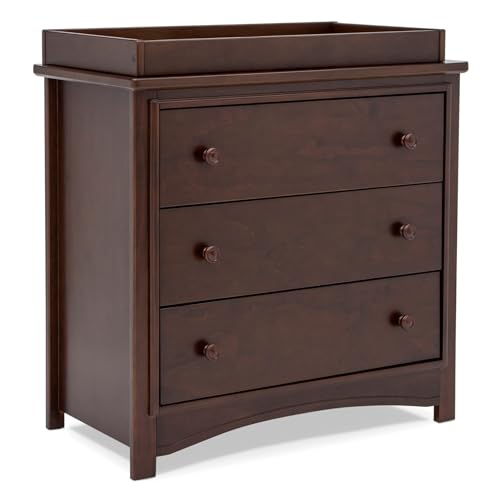
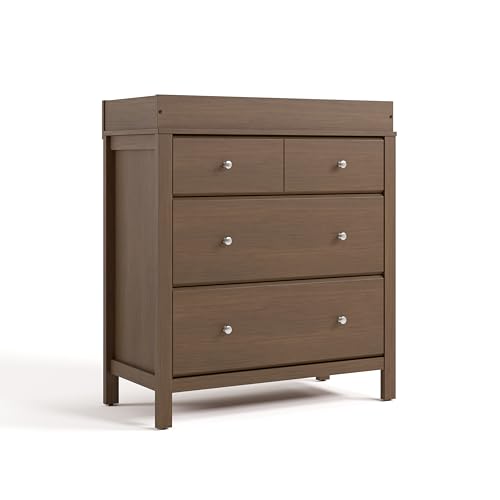
New parents quickly discover that nursery space is precious. A standalone changing table takes up floor area and offers little storage, while a standard dresser gives you drawers but no safe place to change a baby. A changing table chest of drawers solves both problems at once. The top surface is designed or adapted for a contoured changing pad, and the drawers below hold everything you need for daily care. Many models include a removable topper, so once your child is out of diapers, the piece converts into a regular chest of drawers that lasts for years.
From an organization standpoint, the drawer layout matters as much as the top surface. Deep lower drawers are ideal for blankets, bedding, and bulkier clothing, while shallow upper drawers keep diapers, wipes, and small essentials close to hand. If you are still mapping out your nursery storage, our bedroom storage ideas and nursery dressers guides pair well with this article. You can also compare drawer counts in our 3-drawer changing table dresser overview.
What Exactly Is a Changing Table Chest of Drawers?
A changing table chest of drawers is a chest or dresser that has been designed, or adapted with a topper, to serve as a baby changing station. There are three common configurations:
- Integrated changing chests: The changing surface is built into the top with raised sides and a recessed area for a contoured pad. These are the most stable option and are purpose-built for nursery use.
- Dresser plus changing topper: A standard dresser or chest is paired with a removable topper that adds safety edges and a strap. When the topper comes off, you have a normal dresser. Explore our guide to the changing table topper for dresser for fit and safety details.
- Convertible nursery dressers: These ship with a changing station that can be removed later, sometimes with a hutch or shelving that attaches to the top for continued use through childhood.
Regardless of style, the core idea is the same: a safe, elevated, contoured surface for changing, combined with drawers that hold baby essentials. If you want a more detailed comparison of drawer configurations, our chest of drawers for bedroom guide explains how drawer depth and height affect usability.
Safety First: What Every Parent Must Check
Safety is the single most important factor when choosing a changing table chest of drawers. Babies roll, wiggle, and reach, so the furniture must be stable and the changing surface must be secure. Use this checklist before you buy:
- Anti-tip anchoring: Every chest of drawers should be anchored to a wall stud with the included restraint kit. This is non-negotiable for nursery furniture. Our dressers overview covers anchoring basics as well.
- Contoured changing pad: The pad should have raised sides and a safety strap. A flat dresser top with a towel is not a safe changing surface. See our changing table topper guide for compliant options.
- Raised edges or a recessed top: An integrated changing chest or a well-fitted topper keeps the pad from sliding and adds a physical barrier.
- Sturdy, wide base: A wider footprint resists tipping. Look for reinforced corner joints and a solid back panel.
- Soft-close drawers: Self-closing or soft-close slides protect little fingers and reduce noise during naps.
- Non-toxic finish: Choose low-VOC or water-based finishes, especially for nursery furniture. A painted finish should be fully cured and free of strong odors.
- Clear the zone: Keep the changing area away from windows, blind cords, heaters, and shelves that could be climbed.
A common mistake is buying a dresser first and adding a topper later without checking dimensions. Always measure the dresser top and confirm the topper is designed for that exact width, or choose an integrated changing chest to remove the guesswork.
Choosing the Right Size and Height
The right height depends on who will do most of the changing. As a general rule, the top of the changing pad should sit around waist height for the primary caregiver, typically between 32 and 38 inches from the floor. If two caregivers of different heights share the duty, lean toward the taller person's comfort, since bending over a low surface strains the back more than reaching slightly upward.
Width matters too. Most contoured changing pads are about 16 to 17 inches wide and 30 to 32 inches long, so the dresser top should be at least 34 inches wide to leave a margin on each side. A 3-drawer model is often enough for a nursery, while a taller 4- or 5-drawer chest gives more storage without a bigger footprint. If you are tight on space, our 30-inch wide chest of drawers and 36-inch wide chest of drawers guides show how compact options perform. For larger nurseries, a 48-inch wide chest of drawers offers generous top space for a changing pad plus a small supply caddy.
Drawer count is a practical consideration as well. Three to five drawers is typical for a changing chest, with the top drawer reserved for diapers and wipes and lower drawers for clothing and bedding. Our 3-drawer solid wood dresser and five-drawer dressers pages help you weigh capacity against room layout.
Materials and Construction: What Holds Up in a Nursery
Nursery furniture takes a beating. Diaper cream, spilled water, and frequent wiping all stress the finish, while daily use tests the drawer slides and joints. Here is how the common material tiers compare:
| Tier | Typical Construction | Best For |
|---|---|---|
| Entry-level | Engineered wood with laminated or painted surfaces; basic side-mounted slides | Short-term nursery use and tighter room layouts |
| Mid-range | Engineered wood core with solid wood fronts; metal ball-bearing or soft-close slides | Everyday nursery duty with a reasonable lifespan |
| Premium | Solid wood frames and drawer boxes; dovetail joints; full-extension soft-close slides | Long-term use and conversion to a child's dresser |
| Luxury | Kiln-dried hardwood, hand-finished surfaces, premium hardware, heirloom joinery | Heirloom furniture meant to be passed down |
Solid wood and quality engineered wood both work well in a nursery when the finish is moisture-resistant and the hardware is smooth. Our engineered wood dressers guide explains how modern composites compare with solid timber. For a natural look, 6-drawer pine chest of drawers and 6-drawer oak chest of drawers are popular nursery picks because they age gracefully and take a refinish well.
Organizing Your Changing Table Chest of Drawers
A changing chest works best when the contents are zoned by frequency of use. Keep the top drawer for diapers, wipes, rash cream, and burp cloths; middle drawers for daily clothing like onesies and sleepers; and bottom drawers for bedding, blankets, and out-of-season items. Drawer dividers are a small addition with a large payoff, and our drawer dividers and clothes drawer organizer guides show practical layouts.
A small caddy on top of the chest, beside the changing pad, keeps wipes and cream within reach without cluttering the pad itself. Avoid stacking loose items on the changing surface, and never place a baby monitor, lamp, or heavy object above the changing area. If you want a broader system, our dresser with organizer overview covers built-in dividers and trays.
Buying for the Long Term: Convertibility and Resale
A changing table chest of drawers is only used as a changing station for roughly two to three years, but the dresser underneath can last a decade or more. That is why convertibility matters. Removable toppers, optional hutches, and neutral finishes all extend the useful life of the piece. A white, gray, or natural wood finish transitions easily from nursery to child's room, while bold colors may date faster. Our white dressers, gray dresser, and natural wood dressers guides help you pick a finish that will still look right as your child grows.
Construction quality also affects resale and hand-me-down value. Dovetail joints, full-extension slides, and solid wood drawer boxes hold up better than stapled composites. If you plan to pass the piece to a sibling or another family, prioritize those details over cosmetic extras. Our heavy-duty soft-close drawer slides and full-extension drawer slides pages explain the hardware differences in plain terms.
A Practical Buying Checklist
Before you commit to a model, run through this checklist. It covers the details that separate a frustrating purchase from a piece you will appreciate every day.
- Measure the nursery wall and doorway, and confirm the chest fits with clearance for drawers to open fully.
- Check the changing surface height against the primary caregiver's waist height.
- Confirm the piece ships with an anti-tip restraint kit, or buy one separately.
- Verify the changing pad or topper is included or sold in the correct size.
- Test the drawer slides in person if possible, or read reviews about smoothness and noise.
- Look for soft-close or self-close drawers to protect small fingers.
- Check the finish for low-VOC or water-based claims, especially if the nursery is small.
- Plan the drawer zoning before the baby arrives so the station is ready on day one.
Frequently Asked Questions
What is a changing table chest of drawers?
It is a dual-purpose nursery furniture piece that combines a chest of drawers with a safe, raised changing surface on top. It provides storage for baby clothes and essentials while giving parents a dedicated, comfortable spot for diaper changes.
How tall should a changing table chest of drawers be?
Most parents find a changing surface height of 32 to 38 inches comfortable for standing diaper changes. The ideal height depends on your own stature; the changing pad top should sit around your waist or just below hip level to reduce strain on your back.
Do I need a changing table topper for a dresser?
A topper is strongly recommended if you plan to convert a standard dresser into a changing station. Toppers add raised edges, contoured sides, and often safety straps that keep a wriggling baby more secure. Never use a flat dresser top without a dedicated contoured pad or topper. See our changing table topper for dresser guide for sizing and fit.
How do I anchor a changing table chest of drawers safely?
Always use the furniture tip-over restraint kit included with the dresser. Secure the anti-tip strap to a wall stud using the provided hardware. Place the changing surface away from windows, blinds, cords, and heating sources, and never leave a baby unattended on the changing pad.
What features should I look for in a nursery changing dresser?
Look for soft-close or self-closing drawers, dovetail or reinforced drawer joints, a high-grade finish that resists moisture, a stable wide base, and a contoured changing pad with a safety strap. Removable toppers that convert the piece into a standard dresser later add long-term value.
Ready to Choose Your Changing Table Chest of Drawers?
A well-chosen changing table chest of drawers simplifies nursery life and gives you furniture that keeps working long after the diaper years. Focus on stability, a contoured changing surface, smooth soft-close drawers, and a finish that suits your nursery for years. If you are still deciding between a dedicated nursery chest and a convertible dresser, our nursery dressers overview and crib dresser guide cover the trade-offs in more detail.
Browse the recommended options below to compare current models, then use our chest of drawers for bedroom guide to confirm the size and drawer layout fit your space.