Drawer Dividers: The Complete Guide to Organized Dresser Drawers
Turn messy dresser drawers into neatly arranged storage with the right drawer dividers. Learn types, materials, sizing, and practical organization strategies for every bedroom.
EXPLORE DRAWER DIVIDERSWhy Drawer Dividers Matter for Dresser Organization
A dresser or chest of drawers for bedroom offers generous storage, but without structure, that space quickly becomes a jumbled pile of folded clothes, accessories, and miscellaneous items. Drawer dividers are the simple, high-impact solution that transforms raw drawer volume into a functional, easy-to-maintain organization system.
Dividers create dedicated compartments for categories of items, which delivers several practical benefits:
- Faster mornings: When socks, underwear, and t-shirts each have a dedicated zone, you find what you need without rummaging.
- Better use of vertical space: Dividers allow you to stack and file items more efficiently, so shallow drawers no longer waste space.
- Protection for delicate items: Separating jewelry, accessories, and knitwear prevents tangling, snagging, and stretching.
- Longer-lasting order: Compartments create natural boundaries, which makes it easier to put things back correctly after laundry day.
Quick tip: Pair drawer dividers with a clothes drawer organizer system for the most efficient dresser setup. Dividers handle large zones while organizers manage smaller items like socks and accessories.
Dividers also work hand-in-hand with other storage upgrades. If you are planning a broader bedroom refresh, explore our guides on dressers with organizers and chest drawers for walk-in closets to build a complete storage strategy.
Types of Drawer Dividers
Drawer dividers come in several formats, each suited to different drawer styles and organizing goals. Understanding the options helps you choose the right system for your dresser or chest of drawers.
Spring-Loaded Dividers
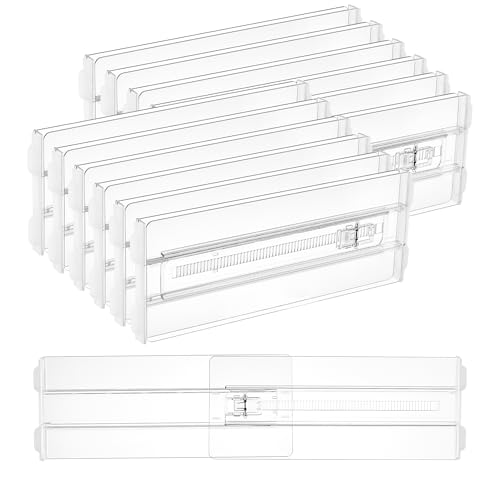
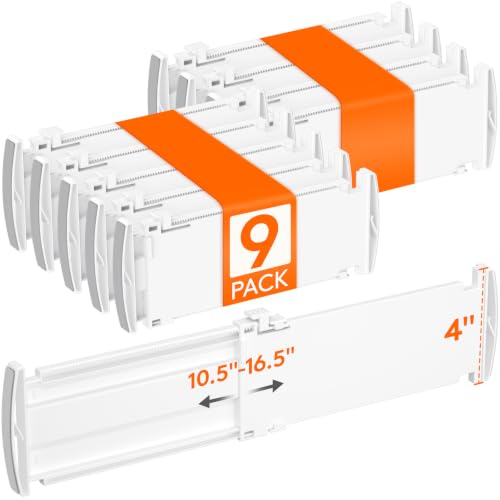
These tension-based dividers expand to fit the drawer width and hold in place without tools. Ideal for standard dresser drawers and renters who prefer no permanent changes.
Adhesive and Magnetic Dividers
Low-profile dividers that stick or clip to drawer walls. Best for shallow drawers and lightweight items such as accessories or folded shirts.
Bamboo and Wood Dividers
Natural materials that add warmth and durability. Spring-loaded bamboo sets are popular for dressers and pair well with oak dressers and other wood furniture.
Interlocking Grid Systems
Modular dividers that connect to form custom compartments. Great for deep drawers and for organizing underwear, socks, and small accessories.
Drawer Organizer Trays
Pre-formed trays that divide a drawer into fixed sections. A practical choice for dressers with organizers already built in.
Custom and Built-In Dividers
Permanent dividers installed into the drawer structure. Best for high-end dressers and long-term organization plans.
Materials and Construction: What to Look For
The material of a drawer divider affects durability, appearance, and how well it holds items in place. Use the tier system below to match construction quality to your needs, without relying on price as an indicator.
| Tier | Typical Materials | Best For |
|---|---|---|
| Entry-level | Thin plastic, lightweight foam, basic spring rods | Light items, temporary setups, dorm rooms |
| Mid-range | Bamboo, reinforced plastic, fabric-wrapped dividers | Everyday dresser drawers, folded clothes, accessories |
| Premium | Solid wood, bamboo with metal springs, felt-lined trays | Frequent use, delicate garments, jewelry drawers |
| Luxury / professional-grade | Hardwood, metal-reinforced grids, custom-fit cabinetry inserts | High-end furniture, long-term organization systems |
When evaluating materials, look for these quality signals:
- Solid construction: Dividers should hold their shape when pressed into place and resist bending under the weight of folded items.
- Soft-contact edges: Rubber or felt edges protect drawer interiors and reduce slipping.
- Non-slip bases: Textured or rubberized grips keep dividers from sliding when the drawer opens and closes.
- Moisture resistance: Bamboo and sealed wood resist warping better than untreated materials, especially in humid bedrooms.
If you are furnishing a wood bedroom, pair natural-material dividers with a brown oak dresser or a 6 drawer oak chest of drawers for a cohesive look.
How to Measure Your Drawers for Dividers
Correct sizing is the single most important factor in choosing dividers that stay in place and work as intended. Follow these steps before you order:
- Measure the internal width of the drawer at the top edge, where the divider will sit. Spring-loaded dividers need this measurement to expand correctly.
- Measure the internal depth (front to back) to determine how many divider lines you can place in series.
- Measure the internal height of the drawer walls to make sure dividers do not sit above the rim, which would prevent the drawer from closing.
- Check for obstructions: Some dressers have interior drawer slides or reinforcing hardware that reduce usable width.
Standard dresser drawers vary widely by model. A 30 inch wide chest of drawers has different interior dimensions than a 48 inch wide chest of drawers. Always measure your specific piece rather than assuming standard sizes.
Sizing tip: For deep drawers in a chest of drawers with deep drawers, choose interlocking grid dividers that let you build two layers of compartments rather than a single row.
If you are organizing a small bedroom, a brown small dresser for bedroom benefits even more from dividers because every inch of drawer space counts.
Room-by-Room Drawer Organization Strategies
Primary Bedroom Dresser
Use dividers to separate folded t-shirts, long-sleeve tops, and loungewear into distinct zones. A three-zone layout works well for a standard chest of drawers for bedroom top drawer, with dividers running front-to-back to create columns.
Closet and Walk-In Storage
For chest drawers for walk-in closets, dividers help manage accessories, workout clothing, and folded knitwear. Interlocking grids are especially useful for keeping small items like socks and belts contained.
Children's and Nursery Dressers
A children's dresser benefits from soft-edged dividers that are safe and easy to use. Lower drawers can use wider compartments for larger clothing, while top drawers can use finer divisions for socks and hair accessories.
Guests and Secondary Bedrooms
In guest rooms, dividers keep spare linens and folded blankets organized. A brown long dresser for bedroom gives you enough width to create dedicated sections for different linen sizes.
Related guide: For a complete system that combines dividers with folding techniques, see our dresser with organizer overview.
Installation Tips for a Secure Fit
Proper installation ensures dividers stay upright and continue to organize effectively over time. Keep these practices in mind:
- Clean the drawer first: Dust and grit reduce grip, especially for adhesive and magnetic dividers.
- Start with the largest compartments: Place main dividers first, then add finer subdivisions.
- Leave finger space: Avoid packing compartments so tightly that you cannot reach in to pull items out.
- Test drawer movement: Open and close the drawer several times after installation to confirm dividers do not shift or collide with the frame.
- Re-tension seasonally: Wood and plastic can loosen over time; check spring-loaded dividers every few months.
For heavy-duty applications in a chest of drawers with deep drawers, choose reinforced dividers designed to hold heavier folded items such as jeans and sweaters.
Frequently Asked Questions About Drawer Dividers
What size drawer dividers do I need?
Measure the internal width, depth, and height of your drawer. Spring-loaded dividers expand to fit width, while grid systems need accurate depth and width measurements. Always measure your specific dresser rather than assuming standard sizes.
Are bamboo or plastic dividers better?
Bamboo dividers are more durable and better suited to frequent use, while plastic dividers are lighter and better for temporary setups. For everyday dresser organization, bamboo or wood dividers in the mid-range to premium tier generally hold up best.
Can drawer dividers damage my dresser?
Spring-loaded and adhesive dividers are designed to be non-damaging. Avoid over-tightening spring dividers, and choose felt or rubber contact points to protect the drawer interior. Adhesive dividers should be removed carefully according to the manufacturer's instructions.
How many dividers should I use per drawer?
It depends on the drawer width and the items you store. As a general rule, create compartments that fit one category of clothing without compressing it. Two to four divider lines per standard dresser drawer is typical for folded clothes.
Do drawer dividers work in deep drawers?
Yes. In deep drawers, use interlocking grid systems or stackable divider sets to create two layers of compartments. This is especially effective in a chest of drawers with deep drawers used for jeans and sweaters.