Clothes Drawer Organizer: The Complete Guide to a Tidy Dresser
Transform your dresser from chaotic to calm with the right clothes drawer organizer. Learn how dividers, folding techniques, and smart layouts can double your usable storage space and make getting dressed effortless.
Why a Clothes Drawer Organizer Changes Everything
Most people treat dresser drawers as a dumping ground: clothes go in, and somehow they never come out looking the same. A clothes drawer organizer is the simplest fix for this daily frustration. By creating defined compartments inside each drawer, you give every item a home, reduce the time you spend searching for a matching sock, and protect delicate fabrics from being crushed under piles of clothing.
The benefits go beyond neatness. When clothes are visible and accessible, you wear more of what you own, you wash items less often because they stay unwrinkled, and your dresser lasts longer because drawers are not overstuffed and forced shut. Whether you own a compact small bedroom dresser or a spacious solid wood 6 drawer dresser, the right organizer system adapts to your space and your wardrobe.
Types of Clothes Drawer Organizers
There is no single perfect organizer for every drawer. The best choice depends on what you store, how deep your drawers are, and whether you prefer a flexible or fixed layout. Here are the main categories to consider.
Drawer Dividers
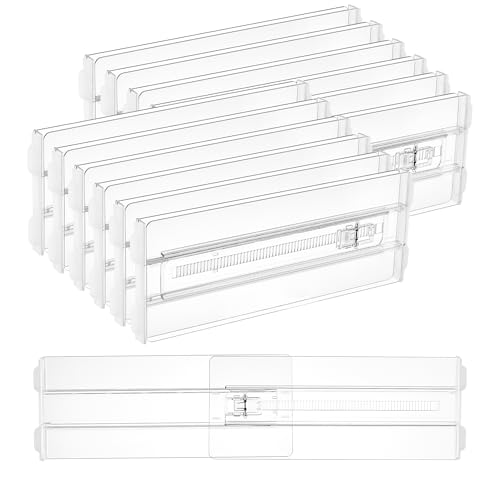
Adjustable dividers slide or clip into place and create vertical sections across the width of a drawer. They are ideal for separating folded t-shirts, jeans, or workout wear into neat columns. Spring-loaded and tension-mounted versions fit most standard drawer depths, while adhesive-backed models suit shallow drawers. If your dresser has deep drawers, choose taller dividers so folded stacks stay upright instead of collapsing sideways.
Compartment Inserts and Trays
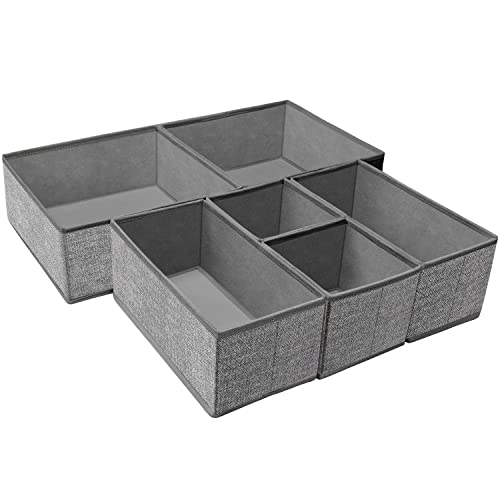
Fabric or plastic inserts with fixed compartments work well for small items such as socks, underwear, ties, and accessories. They sit inside the drawer and lift out for easy cleaning. Modular tray systems let you combine sizes so the layout matches your exact needs. For narrow dressers, look for slim inserts that do not waste horizontal space.
Drawer Organizer Boxes
Individual boxes with lids or open tops can be arranged freely inside a drawer, making them the most flexible option. They suit seasonal rotation, travel packing, and separating delicates from everyday items. Collapsible fabric boxes are a smart choice for small apartments because they fold flat when not in use.
Built-In Drawer Systems
Some dressers come with integrated organizing features such as felt-lined jewelry trays, cedar-lined compartments, or pre-divided top drawers. These are convenient but less adjustable. If you already own a dresser, add-on inserts are usually the better route than replacing furniture.
How to Choose the Right Organizer for Your Drawer
Before you buy anything, measure your drawers: interior width, depth, and height. Then match the organizer type to the drawer's role in your bedroom setup.
Match Organizer Type to Drawer Content
| Drawer Content | Best Organizer Type | Best For |
|---|---|---|
| Socks, underwear, small accessories | Compartment inserts or trays | Essential tier bedroom setups |
| Folded t-shirts, jeans, sweaters | Adjustable dividers | Mid-tier and high-end tier dressers |
| Delicates and seasonal items | Open-top organizer boxes | Flexible, rotating wardrobes |
| Jewelry and watches | Felt-lined built-in trays | Premium and luxury dressers |
Consider Drawer Depth and Height
Deep drawers benefit from vertical dividers and stacked organizer boxes, while shallow drawers work best with flat trays and slim inserts. If your dresser has unusually deep storage, you may want to combine a bottom layer of boxes with a top layer of dividers. The solid wood dresser with deep drawers guide explains how deep storage changes organizing strategy.
Material and Durability
Fabric organizers are soft and gentle on knits but can sag over time. Plastic and acrylic inserts wipe clean easily and hold their shape, making them a reliable choice for daily use. Bamboo and wood dividers offer a premium feel and pair well with solid wood furniture. For a long-term investment, choose organizers with reinforced stitching or solid construction that will not crack under pressure.
Drawer Organization Techniques That Actually Work
An organizer is only as good as the method you use with it. These proven techniques keep drawers functional week after week.
The File Folding Method
Instead of stacking folded clothes, fold them so they stand upright in a row, like files in a cabinet. This lets you see every item at a glance and pull one out without disturbing the rest. File folding works especially well in drawers fitted with vertical dividers and is a core habit in any dresser organization guide.
Zone Your Drawers by Frequency
Place the items you wear most often in the top drawer, and reserve lower drawers for bulky or seasonal clothing. This simple zoning rule reduces bending and searching, and it keeps the most-used organizer compartments from becoming overloaded.
Rotate Seasonally
At the start of each season, swap heavy sweaters for lighter layers. Seasonal rotation keeps drawers from overflowing and gives you a natural opportunity to clean and reassess your organizer layout. Pair this habit with drawer organization ideas for fresh inspiration each time you rotate.
Use the Right Folding for Each Fabric
Knitwear should be folded loosely to avoid stretching, while denim and cotton can be folded more tightly. Delicates belong in smooth-lined compartments or fabric boxes. Adjusting your folding style to the fabric protects your clothes and keeps each organizer section neatly filled.
Common Clothes Drawer Organizer Mistakes to Avoid
- Overfilling compartments. A drawer that barely closes defeats the purpose. Leave a small gap so items slide in and out freely.
- Buying before measuring. Organizers that do not fit leave awkward gaps and slide around. Always measure interior dimensions first.
- Ignoring drawer height. Tall dividers in a shallow drawer prevent the drawer from closing. Match divider height to interior clearance.
- Using one layout for all drawers. Different contents need different systems. A sock drawer and a sweater drawer should not share the same organizer type.
- Skipping maintenance. Once a month, refold loose stacks and remove items you no longer wear. Small habits keep the system working.
Matching Organizers to Your Dresser Style
The organizer you choose should complement the furniture it lives in. For a tall brown dresser with narrow drawers, slim vertical dividers maximize every inch. A white dresser with wooden top pairs naturally with bamboo or light wood inserts for a cohesive look. If you own a teak dresser, choose warm-toned fabric boxes that echo the wood grain rather than bright plastic trays.
For nursery furniture, safety matters as much as style. A nursery dresser should use soft, rounded organizers without sharp edges, and drawers should never be overfilled where a child could reach them. The children's dresser guide covers child-safe organizing in more detail.
If your bedroom is compact, a small chest of drawers for bedside benefits from modular inserts that can be rearranged as needs change. For closets, a small chest of drawers for closet works best with stackable boxes that use vertical space efficiently.
Keeping Your Organizer System Fresh
Organizers collect dust and lint over time, and fabric inserts can absorb odors. Wipe plastic and acrylic trays with a damp cloth monthly. Vacuum fabric boxes with a brush attachment, and air them out seasonally. Check dividers for loose tension or worn adhesive and replace them before they fail. A well-maintained system stays effective for years and protects the investment you made in your dresser.
For deeper cleaning routines that keep both furniture and organizers in top shape, see the full dresser organization guide.
Frequently Asked Questions
What is the best clothes drawer organizer for socks and underwear?
Compartment inserts with small fixed sections work best. They keep pairs together and prevent small items from migrating to the back of the drawer. Fabric versions are gentle on delicates, while plastic versions are easier to wipe clean.
Can I use drawer organizers in deep dresser drawers?
Yes. Combine vertical dividers with stackable boxes so you can use both the bottom and top layers of a deep drawer. Tall dividers keep folded stacks upright, and boxes hold seasonal or less-used items beneath.
How many organizers do I need per drawer?
There is no fixed number. Plan the layout around what you store: a sock drawer may need four to six small compartments, while a t-shirt drawer may need three or four vertical sections. Measure first, then buy only what fills the drawer without overcrowding.
Are fabric or plastic organizers better?
Fabric organizers are softer and better for knits and delicates, but they can sag. Plastic and acrylic organizers hold their shape, wipe clean easily, and are more durable for daily use. Many people combine both types in one dresser.
How do I keep drawers organized long term?
File fold your clothes, zone drawers by how often you wear each item, rotate seasonally, and do a quick monthly refold. Small consistent habits matter more than any single organizer product.
Ready to Organize Your Drawers?
Browse our recommended clothes drawer organizers below and find the system that fits your dresser and your daily routine. A tidy drawer is the first step toward a calmer, more organized bedroom.