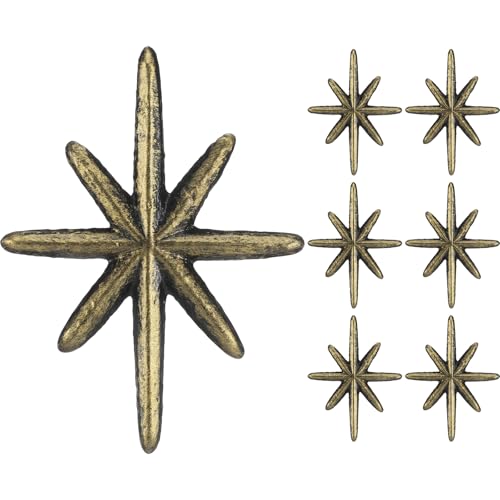
Mid Century Dresser Drawer Pulls
Everything you need to know about choosing the right drawer pulls for your mid century dresser — styles, materials, sizing, and finishing touches.
EXPLORE PULL STYLESWhy drawer pulls matter so much: The hardware on a mid century dresser is not a minor detail. The right pulls can complete the clean, intentional look that defines mid century modern design, while the wrong ones can make an otherwise beautiful piece feel mismatched. If you are restoring a vintage find, refreshing a newer dresser, or simply upgrading hardware to change the look of a room, understanding pull styles, materials, and sizing is the fastest way to get a result you will love.
This guide walks you through every major pull category, explains how to match hardware to your dresser's era and finish, and gives you a practical sizing checklist so you can order with confidence.
In This Guide
What Makes a Drawer Pull "Mid Century"?
Mid century modern design, roughly spanning the 1940s through the 1960s, favored clean lines, honest materials, and functional forms. Hardware from this era reflects that philosophy: pulls are typically geometric, understated, and designed to feel like an intentional part of the furniture rather than an ornament bolted on afterward.
Several characteristics recur in authentic mid century hardware:
- Geometric simplicity. Rectangles, half-moons, tapered bars, and soft-edged squares are common. Ornate flourishes are rare.
- Functional integration. Many pulls sit nearly flush with the drawer face, recessed into a groove, or wrap around the drawer edge.
- Contrast through material, not decoration. Brass, walnut, and blackened metal were often paired against lighter wood faces to create visual interest without ornament.
- Repetition. Matching pulls across every drawer reinforce the horizontal rhythm that mid century dressers are known for.
If you are working with a genuine vintage piece, matching the original hardware style keeps its character intact. For a modern reproduction or a plain dresser you want to restyle, choosing pulls in this vocabulary instantly shifts the piece toward a mid century look. You can see how the broader category comes together in our guide to mid century dressers.
The Main Pull Styles Explained
Most mid century drawer pulls fall into a handful of recognizable families. Knowing these categories helps you search accurately and compare options fairly.
1. Bar Pulls and Recessed Bars
A straight or slightly tapered bar spanning the drawer width is the signature mid century pull. Early examples were often recessed into a routed channel in the drawer face; later versions mounted on small standoffs. Bar pulls are the most versatile choice because they suit both slim and deep drawers and read as clean and architectural from any angle.
2. Half-Moon and Crescent Pulls
These curved, cup-like pulls — sometimes called shell or scoop pulls — are a classic 1950s detail. They are usually mounted with two screws and sit proud of the drawer face. Half-moon pulls add softness to an otherwise angular dresser and work especially well on lighter wood finishes.
3. Tapered and Wedge Knobs
Instead of round knobs, mid century designs often used tapered wooden or metal knobs that narrow toward the tip. They feel more sculptural than a standard sphere and are a simple way to upgrade a plain dresser without changing the drill pattern.
4. Edge-Mount and Wrap-Around Pulls
Some mid century dressers use pulls that hook over the top edge of the drawer front. These are distinctive and period-correct, but replacement options are narrower, so check availability before committing to this style for a restoration.
5. Geometric and Asymmetric Pulls
Late mid century and early postmodern pieces experimented with offset rectangles, trapezoids, and split pulls. These make a stronger design statement and pair best with minimalist dresser faces. Browse mid century modern drawer pulls to see how these bolder shapes are used in practice.
Design tip: A single dresser usually looks best with one pull family used consistently. Mixing bar pulls on large drawers with small matching knobs on narrow drawers is fine — but avoid combining unrelated styles on the same piece.
Materials and Finishes
The material of your pulls affects durability, maintenance, and how the hardware reads against your dresser's finish. Here are the options you will encounter most often.
Solid Brass
Brass is the most period-authentic metal for mid century hardware. It can be polished bright, brushed to a satin sheen, or left to develop a natural patina. Solid brass is heavier and more durable than plated alternatives and is a long-term investment for a piece you plan to keep. Unlacquered brass will darken over time, which many enthusiasts consider a feature rather than a flaw.
Steel and Blackened Metal
Matte black and blackened steel pulls create a striking contrast against light oak, walnut, and painted finishes. Powder-coated steel is resistant to chipping and fingerprints, making it a practical choice for high-use dressers. For a coordinated look, see how black hardware reads in our guide to dressers with black hardware.
Wood
Wooden pulls matched to the dresser species — walnut, oak, or teak — keep the piece visually unified. Wood pulls are gentle on hands and quiet in use, though they require occasional oiling to prevent drying and cracking. They are especially at home on Scandinavian-influenced designs.
Plated and Painted Metals
Chrome, nickel, and gold-toned plated pulls are widely available and can look crisp and modern. The quality of the plating determines longevity; thicker plating resists flaking and discoloration far better over years of daily use. Painted metal is a practical route for color-coordinated restyles but is more prone to wear at the contact points.
Acrylic and Lucite
Clear or tinted acrylic pulls appeared in later mid century and Hollywood Regency interiors. They are lightweight and visually unobtrusive, though they are less resistant to scratching than metal or wood.
Sizing and Hole Spacing: The Step Most People Skip
The single most common mistake when replacing drawer pulls is ordering hardware that does not match the existing holes. Before you shop, measure carefully.
- Measure center-to-center distance. For any pull with two mounting points, measure from the center of one screw hole to the center of the other. This is the number you must match.
- Measure the pull length. The overall length of the pull affects proportion. As a rule of thumb, a pull should span roughly one-third to one-half of the drawer's width for a balanced look.
- Check projection. This is how far the pull stands off the drawer face. Deep drawers and low-profile dressers benefit from pulls with modest projection to avoid snagging.
- Confirm screw length. Drawer fronts vary in thickness. Most pulls ship with screws sized for standard fronts, but thicker fronts may need longer screws — and overly long screws can protrude into the drawer interior.
If the holes do not match: You have two clean options. First, choose pulls with the same center-to-center spacing so no drilling is needed. Second, fill the old holes with wood filler or dowels, sand flush, and drill fresh holes at the new spacing. The second route opens up far more design choices, but it is a permanent change to the piece.
Sizing also matters for storage performance. A too-small pull on a wide, deep drawer can feel flimsy and strain the mounting points over time. Heavy-duty drawer slides pair naturally with substantial pulls; if you are upgrading slides as well, our guide to heavy-duty soft-close drawer slides explains what to look for.
Matching Pulls to Your Dresser
The best pull choice depends on the dresser's wood tone, finish, and overall form. Use these pairings as a starting point.
Walnut and Teak Dressers
Warm mid-tone woods pair beautifully with brass, brushed bronze, or matching wooden pulls. Polished brass against walnut is one of the most recognizable mid century combinations. Avoid very bright chrome, which can look cold against warm wood.
Oak and Ash Dressers
Lighter woods have more contrast range. Matte black, blackened steel, and satin brass all work well. If the dresser has a natural oiled finish, wooden pulls in a matching species keep the look quiet and organic. Our guide to brown oak dressers shows these pairings in context.
Painted and Lacquered Dressers
On white, gray, navy, or lacquered finishes, hardware becomes the focal detail. Brass adds warmth; black adds graphic contrast. A lacquered finish with polished brass is a classic pairing — see lacquered dressers for examples of how finish and hardware work together.
Long, Low Dressers
Wide dressers reward horizontal pulls. Long bar pulls reinforce the low, linear silhouette that defines the style. Our roundup of long mid century dressers illustrates how pull length affects the visual balance of a wide piece.
Proportion rule of thumb: The wider the drawer, the longer the pull should be — but leave visible margin on each side. A pull that nearly touches both edges of the drawer front usually looks cramped.
Quality Tiers Compared
Hardware quality varies widely, and the differences show up over years of daily use rather than on day one. This comparison uses universal quality tiers rather than specific figures.
Essential Hardware
Plated or painted metal pulls with lighter construction. Adequate for low-traffic dressers, rentals, and quick refreshes. Plating may wear at high-contact points over time.
Balanced Hardware
Solid metal or quality wood pulls with better plating thickness and smoother finishing. A solid choice for the category and a practical upgrade for most bedrooms.
High-End Hardware
Solid brass, bronze, or hand-finished wood with precise machining and durable finishes. Good value for its tier if the dresser is a long-term piece.
Flagship Hardware
Hand-cast or custom-finished pulls with exceptional attention to detail. A worthwhile investment for restored heirloom dressers and design-led interiors.
| Pull Type | Tier | Best For | Durability Notes |
|---|---|---|---|
| Tapered wooden knob | Entry-Level | Quick restyles, light-use dressers | Requires occasional oiling; can crack if dried out |
| Recessed bar pull | Mid-Range | Wide, low dressers | Durable when mounted on solid fronts; check standoff strength |
| Half-moon cup pull | Mid-Range | Lighter woods, 1950s restorations | Good durability; watch for plating wear at edges |
| Solid brass bar pull | Premium | Walnut and teak dressers, long-term pieces | Develops patina; heavy and robust mounting |
| Blackened steel edge pull | Premium | Oak and ash dressers, high-contrast interiors | Powder coating resists chipping and fingerprints |
| Hand-cast custom pull | Luxury | Heirloom restorations, design-led rooms | Exceptional build; rare replacement availability |
Installation and Replacement Tips
Swapping drawer pulls is one of the most approachable furniture upgrades you can do. A few practical steps keep the result clean and lasting.
- Work with the drawer removed. Pull the drawer out and set it on a padded surface. This gives you a level angle and prevents the drawer front from flexing under pressure.
- Support the inside of the front. When drilling or tightening, place a scrap block behind the drawer front to reduce the risk of splitting, especially on thin or older wood.
- Drill pilot holes for new spacing. Always use a bit narrower than the screw shaft. This keeps the hole tight and prevents cracking.
- Do not overtighten. Snug is enough. Over-tightening compresses the wood and can strip the hole, causing the pull to loosen later.
- Check alignment across the dresser. Before final tightening, stand back and confirm every pull sits at the same height and the same distance from the drawer edge.
- Keep the originals. If you are replacing vintage hardware, store the originals safely. They add value if the piece is ever sold or restored again.
If your project extends beyond hardware, our guides on dressers with painted finishes and mid century dresser and nightstand pairings can help you keep the whole bedroom visually consistent.
Buying Checklist
Before You Order, Confirm:
- Center-to-center hole spacing matches your drawer fronts (or you are prepared to re-drill)
- Pull length is proportionate to drawer width
- Projection suits the dresser's depth and your clearance needs
- Screw length is appropriate for your drawer-front thickness
- Material and finish coordinate with your wood tone or paint color
- You have ordered the correct quantity, including a spare if possible
- Style is consistent across all drawers on the piece
For a broader view of how hardware fits into the full buying decision, read our complete dresser buying guide and our overview of mid century modern drawer pulls.
Ready to Finish Your Dresser?
Pair the right pulls with a well-chosen dresser and you have a piece that looks intentional from every angle. Explore our curated recommendations below, or browse the full range of dressers to find your starting point.
View Recommended OptionsFrequently Asked Questions
Can I replace drawer pulls without drilling new holes?
Yes, if you choose pulls with the same center-to-center spacing as your existing hardware. Measure from screw-hole center to screw-hole center on the current pulls and match that number exactly. If you want a style with different spacing, fill the old holes and drill new ones.
What is the most authentic metal for mid century pulls?
Solid brass is the most period-authentic choice, often polished or brushed. Blackened steel and walnut are also strongly associated with the era. Chrome appeared later in the period and suits a more space-age interpretation of the style.
Should all pulls on a dresser match?
Yes, in almost all cases. Consistency is central to mid century design. A single pull family across every drawer keeps the piece coherent. If drawers vary in size, it is acceptable to use longer versions of the same pull on wide drawers and shorter versions on narrow ones.
How do I know what size pull to choose?
Measure the drawer width and aim for a pull that spans roughly one-third to one-half of that width, leaving visible margin on each side. For two-hole pulls, match the existing hole spacing first, then choose the closest length that fits your proportion target.
Are wooden pulls suitable for a heavily used dresser?
Wooden pulls can hold up well in daily use, provided they are finished with a durable oil or lacquer and re-oiled occasionally. For very high-traffic dressers, solid brass or powder-coated steel offers lower maintenance and greater resistance to wear.
Do mid century pulls work on modern dressers?
Absolutely. Mid century hardware is one of the simplest ways to shift a plain modern dresser toward a warmer, more design-led look. Match the metal to the wood tone and keep the placement consistent across drawers for the cleanest result.