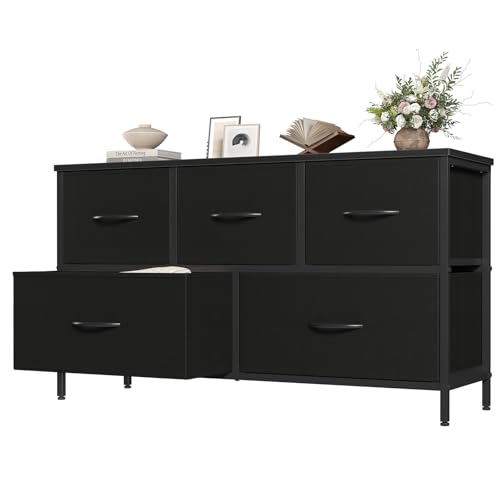
Dresser TV Stand: The Smart Space-Saving Solution
Combine bedroom storage with entertainment in one elegant piece. Discover how to choose, style, and set up a dresser TV stand that fits your space and lifestyle.
Why a Dresser TV Stand? A dresser TV stand offers dual functionality: it holds your television while providing ample drawer storage for clothing, linens, or media accessories. For bedrooms, guest rooms, and compact living areas, this combination piece eliminates the need for separate furniture, freeing up valuable floor space while keeping your room organized and visually cohesive.
What Is a Dresser TV Stand?
A dresser TV stand is a piece of furniture designed to serve two purposes: it provides drawer-based storage like a traditional dresser, and it offers a flat, sturdy top surface wide enough to support a television. Unlike standard media consoles, which prioritize open shelving for electronics, a dresser TV stand emphasizes concealed storage, making it ideal for bedrooms where clutter-free surfaces matter.
These pieces come in a wide range of configurations. Some feature a dresser TV stand combo design with dedicated cable management cutouts, while others focus on pure storage with a reinforced top. You may also encounter a dresser with TV mount, which includes a built-in bracket or VESA mounting plate, or a dresser with built-in TV mount for a more integrated look.
If you are comparing this piece to a dedicated media unit, our guide on dresser vs chest of drawers can help clarify the storage differences before you commit. For broader style direction, the dresser style guide and dresser styles pages cover everything from modern minimalism to farmhouse warmth.
Key Features to Look For
Not every dresser is built to hold a television. The weight of a TV, especially larger screens, requires a reinforced top and a stable frame. Here are the features that matter most:
Reinforced Top Surface
Look for a dresser with a thick top panel, solid wood or high-grade engineered wood construction, and a weight rating that comfortably exceeds your TV's weight. A top depth of at least 16 inches is recommended for stability.
Proper Height
The ideal TV viewing height places the screen's center at or slightly below eye level when seated. A dresser height between 28 and 32 inches works well for most bedrooms and living rooms.
Cable Management
Look for cutouts, grommets, or a recessed back panel to route power and HDMI cables cleanly. Without this, cords will drape awkwardly and collect dust.
Drawer Quality
Full-extension drawers with metal glides and dovetail joints offer smoother operation and longer life. A dresser with full extension drawers makes it easier to reach items at the back.
Sturdy Base
A wide footprint and solid legs prevent wobbling. Avoid dressers with small, narrow feet if you plan to place a heavy TV on top.
Anti-Tip Hardware
Always anchor the dresser to the wall, especially in homes with children or pets. Most quality dressers include anti-tip straps or brackets.
Choosing the Right Size for Your Space
Size is the most common pitfall when buying a dresser TV stand. The piece must be wide enough to support the TV base or the width of a soundbar, but not so wide that it overwhelms the room. Use the table below as a general guide for matching TV size to dresser width.
| TV Screen Size | Recommended Dresser Width | Considerations |
|---|---|---|
| 32–43 inches | 40–50 inches | Compact bedroom setups, guest rooms |
| 48–55 inches | 50–60 inches | Standard primary bedrooms |
| 60–65 inches | 60–72 inches | Larger rooms, living areas |
| 70+ inches | 72+ inches or wall mount | Consider a dedicated media console or wall mounting for safety |
If your room is tight, explore dressers for small spaces or dressers less than 50 inches wide. For a piece that fits into a closet or alcove, see dresser that fits in a closet and dresser that fits in closet.
Need more storage in the same footprint? A dresser with lots of drawers or a dresser with large deep drawers maximizes capacity without extra width. If you prefer open and closed storage combined, a dresser with open shelves and drawers is a practical hybrid.
Style and Placement Ideas
A dresser TV stand can anchor a bedroom or living room visually. In a bedroom, placing it opposite the bed creates a natural viewing angle and balances the room. In a living area, it can serve as a media console with concealed storage for blankets, games, or electronics.
Style-wise, mid-century modern designs with tapered legs and clean lines suit contemporary spaces, while farmhouse styles with distressed finishes and metal hardware add warmth. For a refined look, consider a dresser with gold handles or a dresser with gold hardware. If you want a lighter, airier feel, a dresser with frosted glass drawers blends modern aesthetics with hidden storage.
For additional display space, a dresser with shelves on top or a dresser with hutch provides vertical storage for books, decor, or media accessories. If you are designing a guest room or multi-purpose space, a dresser that doubles as a desk offers further flexibility.
TV Mount vs Freestanding: Which Is Right for You?
There are two main approaches to pairing a TV with a dresser: freestanding placement or a mounted setup. Each has trade-offs.
- Freestanding: The TV sits directly on the dresser top using its own base. This is the simplest option and requires no installation. Ensure the dresser top is deep enough and the TV base fits securely. A dresser with TV mount is not necessary for this setup.
- Mounted: The TV is attached to a bracket on the dresser or wall. A dresser with built-in TV mount keeps the screen elevated and frees up top surface space. Wall mounting above the dresser is another option if the dresser top is used for decor or storage.
If you plan to mount the TV on the wall above the dresser, choose a dresser height that keeps the screen at a comfortable viewing level. A dresser with mirror and drawers may conflict with a wall-mounted TV, so plan the layout carefully.
Organizing Your Dresser TV Stand
Combining entertainment and storage means you need a thoughtful organization strategy. Use the drawers closest to the TV for media accessories, remotes, and cables. Deeper drawers can hold clothing, linens, or seasonal items.
If your dresser includes specialized storage, such as a dresser with jewelry drawer or a dresser with hidden jewelry drawer, keep valuables organized and out of sight. For families, a dresser with locking drawers adds a layer of security for sensitive items.
To keep the top surface clutter-free, consider a dresser top organizer with drawers for small items, or a dresser with LED lights for ambient lighting that doubles as a nightlight. If you need extra hanging space nearby, a dresser with hanging rack or dresser with hanging rod can extend functionality.
Material and Durability Considerations
Because a dresser TV stand carries additional weight, material quality is critical. Solid wood (oak, maple, walnut, or pine) offers the best durability and can be refinished over time. High-grade engineered wood with a thick veneer is a solid mid-range option, while particle board should be avoided for larger TVs.
Check the drawer glides: metal ball-bearing slides outperform plastic rollers. Dovetail joints on drawer boxes indicate higher craftsmanship. If you prefer a piece that requires no assembly, look for dresser solid wood no assembly or dressers that don't require assembly. For a ready-to-use option, dressers for sale already assembled are worth exploring.
Common Mistakes to Avoid
- Ignoring weight limits: Always check the dresser's weight capacity. A heavy TV on an underbuilt dresser can cause sagging or collapse.
- Choosing style over stability: A slender, tall dresser may look elegant but can be top-heavy. Prioritize a wide base and anti-tip anchoring.
- Forgetting cable management: Without cutouts, cables become a tangled eyesore. Plan your power and HDMI routing before purchase.
- Overlooking viewing height: A dresser that is too low or too high causes neck strain. Measure your seated eye level before buying.
- Skipping wall anchoring: Even a sturdy dresser should be anchored to the wall for safety, especially in homes with children.
Frequently Asked Questions
Can any dresser be used as a TV stand?
Not necessarily. The dresser must have a reinforced top, a stable frame, and a weight capacity that exceeds your TV's weight. Standard dressers with thin tops or particle board construction may sag or become unstable under a heavy television.
What is the ideal height for a dresser TV stand?
For most bedrooms, a height of 28 to 32 inches places the TV screen at a comfortable viewing level when seated on a bed or sofa. Measure your seated eye level and aim for the center of the screen to be at or slightly below that height.
How do I hide cables behind a dresser TV stand?
Use cable management cutouts, adhesive cable clips, or a cable sleeve. Route cords along the back of the dresser and secure them with clips. A dresser with a recessed back panel makes hiding cables easier.
Is a dresser TV stand safe for large TVs?
For TVs 65 inches and larger, a dedicated media console or wall mount is generally safer. If using a dresser, choose one with a wide footprint, solid wood construction, and anti-tip anchoring. Check the manufacturer's weight rating carefully.
Can I use a dresser TV stand in a living room?
Yes. A dresser TV stand works well in living rooms, especially in compact apartments or multi-purpose spaces. Choose a style that complements your decor and ensure the drawers are deep enough for your storage needs.
Ready to Find Your Perfect Dresser TV Stand?
Explore our curated selection of dresser TV stands and storage solutions. Compare features, styles, and configurations to find the piece that fits your space and budget tier.
View Recommended Options