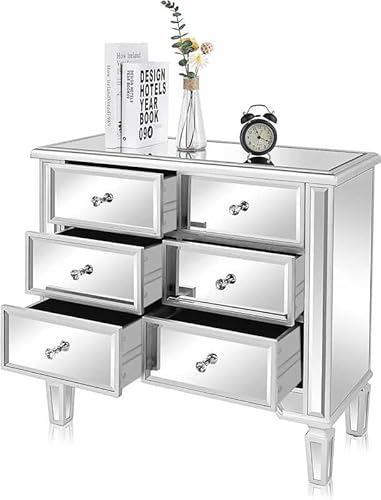
Dresser with Frosted Glass Drawers: Complete Buying Guide
If you are researching a dresser with frosted glass drawers, this guide covers everything you need to know before you decide. We explain how frosted glass affects privacy, durability, maintenance, and bedroom style, and we show you how to match the right configuration to your space.
Start With the Buying ChecklistWhat Is a Dresser with Frosted Glass Drawers?
A dresser with frosted glass drawers is a storage piece where the drawer fronts are made from translucent glass rather than solid wood, laminate, or fabric. The frosting process—achieved through acid etching, sandblasting, or a laminated film—diffuses light so that the contents of the drawer are softened rather than fully visible. This gives the piece a clean, contemporary look while still allowing a hint of what is stored inside.
Frosted glass drawer fronts are most often paired with wood, metal, or lacquered frames. The glass itself is usually tempered or laminated for safety, and the drawer boxes behind it are built from solid wood, plywood, or engineered wood. Because the glass panel is the visual centerpiece, the overall design tends to be more minimal than a traditional carved dresser.
If you are still comparing furniture categories, our guide to dresser vs chest of drawers explains how drawer count and height affect daily use. For a broader overview of silhouettes and finishes, the dresser style guide is a useful companion read before you commit to a glass-front design.
Why Choose Frosted Glass Drawers?
Frosted glass is not just a visual choice. It changes how a dresser behaves in a bedroom, from how tidy it looks day to day to how much light it reflects into the room. Here are the practical reasons buyers gravitate toward this style.
- Softened visibility: You can see the outline of folded clothes or accessories without exposing every detail. This keeps the dresser looking composed even when drawers are not perfectly arranged.
- Modern, airy aesthetic: Glass fronts break up the visual weight of a solid wood dresser, which helps smaller bedrooms feel less crowded.
- Light reflection: Frosted glass diffuses ambient light rather than reflecting it sharply, which can gently brighten a dim corner.
- Easy surface cleaning: Glass fronts wipe clean quickly, which is helpful in households with dust sensitivities.
- Design flexibility: Frosted panels pair well with wood tones, matte lacquer, and metal hardware, making the piece adaptable to several decor styles.
Popular Styles and Configurations
Frosted glass dressers appear in several configurations. The right choice depends on the size of your bedroom, how much clothing you store, and whether the dresser also needs to serve a secondary function.
Wide, low dressers
These are the most common frosted glass designs. A wide, low profile works well under a window or against a long wall, and the horizontal glass panels emphasize the room's width. If you want a piece that anchors a bed wall without blocking sightlines, this is a strong option.
Tall chests with glass fronts
A tall configuration stacks more drawers in a smaller footprint. Frosted glass on a tall chest can look especially sleek when the frame is slim. If floor space is limited, compare this with our notes on dressers for small spaces before deciding on height.
Combination units with open shelving
Some models mix frosted glass drawers with open shelves or cabinets. This is useful if you want display space alongside concealed clothing storage. Our guide to a dresser with open shelves and drawers explains how to balance the two zones without clutter.
Glass-front dressers for dual use
Frosted glass works well in a bedroom that doubles as a workspace. If you need a surface for a laptop or documents, a dresser that doubles as a desk is worth considering. The glass front keeps the piece looking tidy during video calls and in-between projects.
Glass and Frame Materials Explained
The quality of a frosted glass dresser depends on both the glass and the frame behind it. Understanding the materials helps you judge whether a piece will hold up to daily use.
Types of frosted glass
- Tempered frosted glass: Heat-treated for strength. If it breaks, it shatters into small, blunt pieces rather than sharp shards. This is the preferred choice for furniture that sees daily handling.
- Laminated frosted glass: Two glass layers bonded with a frosting interlayer. It holds together if cracked, which adds a layer of safety.
- Acid-etched or sandblasted glass: A surface treatment that creates the frosted look. It is aesthetically pleasing but can be more sensitive to abrasive cleaners.
- Frosted film on clear glass: A cost-effective approach used in some entry-level pieces. The film can peel over time, so check the edge finish carefully.
Frame and drawer box materials
The frame carries the weight of the glass, so it should be solid and well-jointed. Solid wood frames are the most durable, while high-quality engineered wood with a stable core is a reasonable mid-range option. The drawer box—the part that holds your clothes—should use dovetail or reinforced joints, and the glides should be smooth and rated for the drawer's loaded weight. For a deeper comparison of construction methods, see our guide to solid wood dressers that require no assembly, which explains why frame integrity matters for long-term use.
Quality Tiers Without the Guesswork
Frosted glass dressers vary widely in construction, and the differences are easiest to understand by tier rather than by any single feature. The table below groups the market into three practical tiers so you can match expectations to the level of construction you need.
| Tier | Typical Construction | Best For |
|---|---|---|
| Entry-level | Engineered wood frame, frosted film or thinner glass, basic side-mounted glides | Guest rooms, dorm spaces, and light-use bedrooms where the dresser is mostly decorative |
| Mid-range | Stable engineered or mixed wood frame, tempered frosted glass, metal ball-bearing glides, reinforced drawer boxes | Primary bedrooms with daily use and moderate clothing volume |
| Premium / luxury | Solid wood frame, tempered or laminated frosted glass, dovetail drawer boxes, soft-close undermount glides, premium hardware | High-use primary suites and design-led bedrooms where the dresser is a long-term investment |
The mid-range tier is the most balanced choice for most households: it offers tempered glass and reliable glides without the full solid-wood commitment. Entry-level pieces can work well in low-traffic rooms, while premium construction is worthwhile if you expect the dresser to stay in place for many years.
Privacy, Lighting, and Bedroom Atmosphere
Frosted glass sits between clear glass and solid wood on the privacy spectrum. It blurs the contents of a drawer, but it does not hide them completely, especially when a bright light is behind the glass or when the drawer is tightly packed with high-contrast items. If full concealment matters to you, combine frosted glass on the upper drawers with solid fronts on the lower ones, or choose an interior drawer liner in a neutral tone.
Lighting also changes the look. In a room with warm evening lamps, frosted glass tends to glow softly and read as calm and diffused. In a bright daytime room, the panels can look almost opaque. If you are designing around the dresser, our ideas for a dresser with LED lights show how integrated lighting can be used to accent glass fronts without making the contents too visible.
For a cohesive bedroom, pair the frosted glass dresser with a bedside surface from the same material family. The guide to a dresser with matching night stands explains how to keep finishes consistent without making the room feel like a showroom set.
Sizing and Placement in Real Bedrooms
Measure the wall, not just the dresser. A frosted glass piece needs clearance for the drawers to open fully, and glass fronts show fingerprints and reflections more readily in tight corners. As a rule, leave at least 24 inches of walking space in front of the dresser if it is in a main traffic path.
- Primary bedroom: A wide dresser in the 60–72 inch range gives generous drawer space and a balanced look against a queen or king bed.
- Guest or small bedroom: A narrow or tall frosted glass chest preserves floor space. Our list of dressers under 50 inches wide is a practical starting point.
- Closet placement: If the dresser lives inside a walk-in closet, a slim profile works best. See dresser that fits in a closet for measurements and access tips.
- Under a window: Keep the top of the dresser below the window sill so the glass panels are not backlit in a way that makes the contents too visible.
Also consider the dresser's secondary role. If you plan to place a television on top, confirm the top's weight rating and cable routing. Our guide to a dresser TV stand combo covers the practical details for dual-purpose placement.
Cleaning and Long-Term Care
Frosted glass is easy to maintain if you avoid abrasive products. The texture that creates the frosted effect can trap residue if you scrub too hard, so a gentle routine is best.
- Dust the glass weekly with a dry microfiber cloth to remove loose particles.
- For marks, use a soft damp cloth with a mild glass cleaner or a diluted white vinegar solution.
- Wipe in a circular motion, then dry immediately with a clean, lint-free cloth to avoid streaks.
- Avoid scouring pads, powdered cleansers, and ammonia-heavy products that can dull the frosted finish.
- Wipe up spills promptly and keep the drawer interior dry to protect the frame and glides.
For the frame, follow the manufacturer's guidance for the specific finish. If the dresser is near a window, rotate the contents occasionally so UV exposure does not fade fabrics unevenly behind the glass. For broader maintenance routines that apply to all dresser types, see our general dresser reference page.
Buying Checklist
Use this checklist before you finalize a decision. It is organized around the factors that most often cause buyer regret with glass-front furniture.
- Glass type: Confirm tempered or laminated frosted glass, not a thin film on clear glass.
- Frame rigidity: The frame should not flex when a loaded drawer is opened.
- Glide quality: Look for smooth, full-extension glides rated for the drawer's loaded weight. Our note on dressers with full extension drawers explains why this matters for access.
- Drawer count and sizes: Match the layout to your folding and storage habits. A mix of shallow and deep drawers is often more useful than uniform sizes.
- Privacy level: Decide whether you want all drawers in frosted glass or a mix of glass and solid fronts.
- Finish coordination: Check the hardware finish against your other bedroom pieces. Our guide to a dresser with gold handles shows how hardware can shift the whole look.
- Delivery and assembly: Glass-front pieces ship with protective packaging; confirm the return policy for glass damage before ordering.
Frequently Asked Questions
What are the benefits of frosted glass drawers on a dresser?
Frosted glass drawers offer a modern aesthetic while softly obscuring the contents, keeping your belongings visually tidy. They also add a sense of lightness and reflect ambient light, making bedrooms feel more open.
Are frosted glass drawers durable?
When paired with reinforced frames and quality glides, frosted glass drawers are durable for everyday bedroom use. Tempered or laminated glass is preferred for safety, and the drawer boxes should be solidly constructed to support the glass panels.
How do I clean frosted glass drawers?
Use a soft, damp microfiber cloth with a mild glass cleaner or a diluted vinegar solution. Avoid abrasive pads and harsh chemicals, which can damage the frosted finish. Dry immediately with a clean cloth to prevent streaks.
Do frosted glass dressers fit small bedrooms?
Yes. Frosted glass dressers come in compact and narrow configurations that suit small bedrooms. Their reflective surface can help a room feel less cramped, and lighter glass finishes pair well with space-saving layouts.
Ready to Compare Frosted Glass Dressers?
Use the checklist above to narrow your shortlist, then explore the recommended options below. Each listing highlights the construction tier and drawer configuration so you can compare like for like.
View Recommended Options