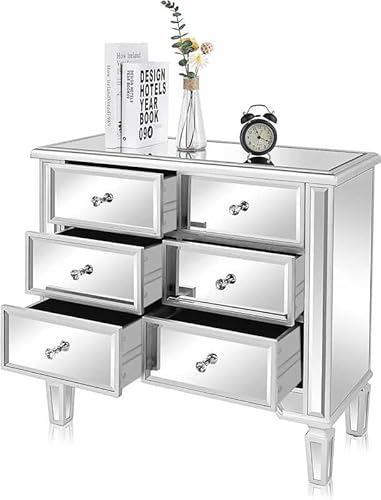
Dresser with Mirror and Drawers: The Complete Buying Guide
Everything you need to know about choosing a mirror dresser that combines style, storage, and function for your bedroom.
A dresser with mirror and drawers is one of the most practical furniture pieces for any bedroom. It pairs generous drawer storage with a built-in mirror, so you can get dressed, check your look, and keep your clothing organized—all in one spot. Whether you are furnishing a primary suite, a guest room, or a compact apartment bedroom, a mirror dresser can anchor the room and simplify your daily routine.
In this guide, we break down the key considerations: styles, materials, sizing, drawer configurations, mirror types, and safety features. By the end, you will know exactly what to look for and be ready to make a confident purchase.
Why Choose a Dresser with Mirror and Drawers?
A mirror dresser offers several advantages over a plain dresser or a separate vanity. First, it saves floor space by combining two functions—storage and grooming—into a single footprint. This is especially valuable in smaller bedrooms where every square foot matters. Second, the mirror reflects natural and artificial light, making the room feel brighter and more open. Third, having your clothing and accessories within arm's reach of the mirror streamlines your morning routine.
Beyond practicality, a dresser with mirror and drawers adds a design focal point. The mirror frame can reinforce your room's style—from ornate traditional carvings to clean modern lines—while the drawer front and hardware tie the piece to your existing decor. If you are still exploring overall styles, our dresser style guide can help you narrow down the look that fits your space.
Types of Dressers with Mirrors and Drawers
1. Attached Mirror Dressers
In this classic configuration, the mirror is permanently attached to the back of the dresser, often with a wooden frame that matches the drawer fronts. Attached mirrors create a cohesive, traditional look and are typically more stable because the mirror is secured to the furniture frame. They are ideal if you want a single-piece solution and do not plan to rearrange the mirror independently.
2. Detached or Removable Mirror Dressers
Some dressers come with a mirror that can be mounted to the wall above or attached with brackets but removed if needed. This flexibility is useful if you prefer to change your layout, mount the mirror at a different height, or use the dresser as a media console later. Detached mirrors also make it easier to move the dresser through tight doorways. If you want the option to separate the pieces, consider a dresser without mirror and add a wall mirror separately—though a coordinated set often looks more polished.
3. Full-Length Mirror Dressers
A full-length mirror attached to a dresser provides a head-to-toe view, which is especially useful for checking outfits. These models are taller and may require more wall height. They work well in bedrooms with high ceilings or as a statement piece. For a dedicated full-length option, see our guide to a dresser with full-length mirror.
4. Dresser with Mirror and Chest of Drawers
If you need more storage, a combination set with a dresser, mirror, and matching chest of drawers gives you a coordinated bedroom suite. These sets typically share the same wood finish and hardware for a unified look. Explore dresser with mirror and chest of drawers options if you have the floor space.
5. Dresser with Lights and Mirror
Some premium mirror dressers include integrated LED lighting around the mirror frame. This is helpful for grooming, applying makeup, or reading in low light. It also adds a hotel-like ambiance. If lighting is a priority, look at dresser with lights and mirror models, and consider whether the lighting is hardwired or battery-powered.
What to Look For in a Dresser with Mirror and Drawers
Materials and Construction
The frame and drawer construction determine durability and longevity. Solid wood—such as oak, maple, or walnut—offers the most robust build and can be refinished over time. Engineered wood with high-quality veneers provides a stable, consistent surface and is often more resistant to warping in humid conditions. Look for dovetail or box joints on drawer boxes, metal drawer glides with a smooth close, and a solid back panel. Entry-level models may use stapled construction and particle board; mid-range pieces typically step up to better joinery; premium and luxury tiers use solid hardwood frames and reinforced corner blocks.
Mirror Quality and Safety
A good mirror should be clear, free of distortion, and securely mounted. Beveled edges add a refined look and help prevent chipping. Check that the mirror is attached with sturdy brackets or a French cleat, not just adhesive. For safety, especially in households with children, look for anti-tip straps or wall-anchoring hardware. Tempered glass is not common in dresser mirrors, but a securely framed and mounted mirror reduces risk. If you have a nursery, see our guide to a dresser to use as changing table for safety considerations.
Drawer Configuration
The number and size of drawers should match what you plan to store. A mix of shallow drawers for accessories and deep drawers for folded clothing is versatile. Some people prefer many small drawers for jewelry and socks; others want a few extra-large drawers for bulky items. Consider whether you need a dresser with jewelry drawer or a dresser with locking drawers for valuables. Full-extension drawers let you see and reach everything in the back, which is a worthwhile upgrade.
Size and Proportions
Measure your space carefully. A typical dresser is 30 to 40 inches tall and 50 to 70 inches wide; adding a mirror can bring the total height to 60 to 80 inches or more. Ensure the mirror does not block windows, light switches, or outlets. Leave at least 24 to 30 inches of walkway in front of the dresser so drawers can open fully. For tight rooms, explore dressers for small spaces or a dresser that fits in a closet.
Style and Finish
Your dresser should harmonize with your bedroom's design. Modern dressers favor clean lines and minimal hardware; traditional styles may feature carved details, bracket feet, and ornate pulls. Farmhouse and rustic styles often use distressed finishes and dark hardware. For a cohesive look, match the wood tone to your bed frame and nightstands—or intentionally contrast for a curated feel. Our dresser styles overview covers popular aesthetics in more detail.
Style Comparison for Mirror Dressers
| Style | Best For | Typical Features |
|---|---|---|
| Modern | Contemporary bedrooms, minimalist spaces | Clean lines, flat fronts, integrated pulls, muted finishes |
| Traditional | Classic bedrooms, formal guest rooms | Carved details, bracket feet, ornate hardware, warm wood tones |
| Farmhouse | Rustic and cozy bedrooms | Distressed finishes, X-brace details, dark metal hardware |
| Mid-Century Modern | Retro-inspired and eclectic rooms | Tapered legs, walnut tones, geometric pulls |
| Glam | Luxury bedrooms, statement spaces | Metallic accents, mirrored fronts, high-gloss finishes |
How to Choose the Right Dresser with Mirror and Drawers
Start with your storage needs. Count the categories of items you plan to store—folded clothing, undergarments, accessories, linens, or media—and estimate how many drawers of each size you need. Next, measure your available wall space and note the location of outlets, windows, and doors. Decide whether you want an attached or detached mirror based on your layout and whether you may rearrange the room later.
Consider your long-term plans. If you move frequently, a detached mirror is easier to transport. If you have children, prioritize anti-tip hardware and secure mirror mounting. If you have a small bedroom, a tall, narrow dresser with a compact mirror maximizes vertical storage. For a deeper dive into sizing, see our guide to dresser with mirror and nightstand sets, which often include coordinated sizing.
Finally, think about the mirror's purpose. If you use it mainly for a quick check before leaving the house, a standard rectangular mirror suffices. If you apply makeup or style your hair at the dresser, you may want a larger mirror with better lighting. A dresser vanity combo or a dresser with lights and mirror can serve as a dedicated grooming station.
Organizing Your Dresser with Mirror and Drawers
A mirror dresser works best when its drawers are organized by category and frequency of use. Keep daily items in the top drawers for easy access, and store seasonal or occasional clothing in lower or deeper drawers. Drawer dividers help separate socks, undergarments, and accessories. For jewelry, a dresser with hidden jewelry drawer adds security and convenience.
Use the dresser top strategically. A small tray for keys and wallet, a decorative object, and a lamp can make the surface functional without clutter. If the mirror is attached, avoid hanging heavy items from the frame. Keep the mirror clean with a microfiber cloth and glass cleaner to maintain clarity.
For more organization ideas, explore our dresser with lots of drawers and dresser with different size drawers guides, which cover how to match drawer sizes to storage needs.
Safety Considerations
Any tall furniture piece should be anchored to the wall to prevent tipping, especially in homes with children or pets. Check that your dresser includes anti-tip straps or that you can install them. The mirror should be securely fastened; if it is a separate piece, use appropriate wall anchors. Avoid placing heavy items on the top edge of the dresser near the mirror. If you have a nursery, consider a dresser with changing pad on top that meets safety guidelines and includes anchoring hardware.
Frequently Asked Questions
What are the benefits of a dresser with a mirror and drawers?
A dresser with a mirror and drawers combines storage and grooming in one footprint. The mirror helps with dressing and adds light to the room, while the drawers keep clothing and accessories organized. This dual-purpose design is especially useful in bedrooms with limited floor space.
How do I choose the right size dresser with mirror and drawers?
Measure your available wall space, leaving room for doors to open and walkways. Consider the mirror height in relation to your eye level and ceiling. A standard dresser is 30 to 40 inches tall; with a mirror, the total height often reaches 60 to 80 inches. Match the width to your room scale and storage needs.
What materials are best for a dresser with mirror and drawers?
Solid wood offers the most durable construction and longevity, while engineered wood with quality veneers provides a stable and consistent finish. For mirrors, look for beveled glass with secure mounting hardware. Premium materials and reinforced joinery are hallmarks of high-end tier pieces.
Can a dresser with mirror and drawers work in a small bedroom?
Yes, when sized correctly. Choose a narrow or tall dresser with a compact mirror to maximize vertical storage without crowding floor space. Wall-mounted mirrors attached to the dresser can also save room. Consider a dresser that fits in a closet or one with sliding doors for tight layouts.
How should I care for a dresser with mirror and drawers?
Dust the mirror with a soft microfiber cloth and a gentle glass cleaner. Wipe wood surfaces with a damp cloth and dry immediately. Avoid harsh chemicals. Check the mirror mounting hardware periodically and tighten as needed. Keep drawers aligned by not overloading them.
Explore Related Guides
Looking for more options? Browse our guides to dresser with mirror and nightstand sets, dressers with mirror for sale, and dresser with mirror and chest set collections. If you prefer a separate mirror, see dresser top mirror with drawers. For a full bedroom refresh, consider matching dresser with matching night stands.