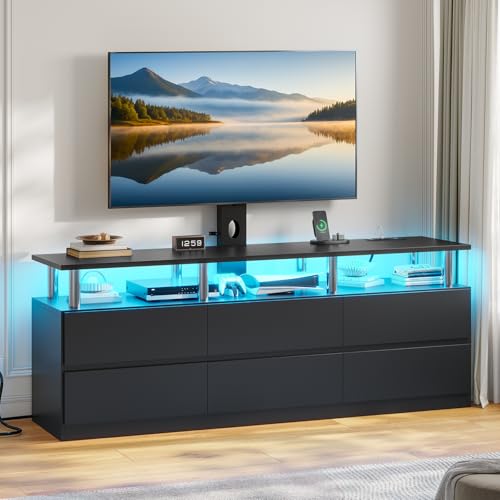
Dresser With TV Mount: Complete Buying Guide
Combine bedroom storage and entertainment in one smart piece of furniture. Learn how to choose a dresser with TV mount that fits your space, holds your screen safely, and keeps your clothes organized.
EXPLORE THE GUIDEWhy a dresser with TV mount makes sense: Bedrooms are multi-purpose spaces. A dresser with TV mount lets you watch your favorite shows while keeping clothes, linens, and accessories neatly stored. This guide covers sizing, weight ratings, materials, safety, and organization so you can choose with confidence.
What Is a Dresser With TV Mount?
A dresser with TV mount is a bedroom storage unit engineered with a reinforced top and a mounting system designed to hold a flat-screen television. Unlike a standard dresser, these models include a sturdy back panel, weight-rated hardware, and often integrated cable management. Some designs feature a built-in bracket, while others are compatible with a separate dresser TV stand or dresser TV stand combo.
The concept is simple: you get the drawer capacity of a traditional chest with the viewing height and stability required for a screen. This makes them ideal for bedrooms, guest rooms, dorm rooms, and small apartments where floor space is limited and multi-functional furniture is essential.
If you are comparing formats, our guide to the dresser vs chest of drawers difference can help you decide which storage shape suits your room best.
Who Should Consider a Dresser With TV Mount?
This furniture category suits a wide range of users:
- Bedroom viewers: If you enjoy watching TV in bed, a dresser with TV mount places the screen at a comfortable viewing height without a separate media console.
- Small-space dwellers: Apartments, studios, and dorm rooms benefit from furniture that serves two purposes. Explore dressers for small spaces if footprint is your main concern.
- Guest room hosts: A combined storage and entertainment unit makes guest rooms more functional and welcoming.
- Organized minimalists: One piece replaces two, reducing visual clutter and simplifying the room layout.
If your room doubles as a workspace, you might also explore a dresser that doubles as a desk for even more versatility.
Sizing and TV Compatibility
Matching the dresser to your television is the most important decision. Consider these factors before you choose:
- Screen size: Measure your TV diagonally. The dresser top should be wide enough that the screen does not overhang the edges.
- Weight rating: The dresser must support the combined load of the TV and the mount. Always check the manufacturer's stated maximum load.
- Viewing height: The center of the screen should sit roughly at eye level when you are seated or lying in bed.
- Ventilation: Leave clearance around the back and sides of the TV so heat can escape.
For a deeper dive into dimensions, see our dresser style guide and dresser styles overview.
Quality Tiers at a Glance
Use this tier framework to understand relative positioning in the market. Each tier reflects construction quality, hardware, and load capacity — not numerical pricing.
| Tier | Construction | TV Support | Best For |
|---|---|---|---|
| Entry-level | Engineered wood with laminate finish; basic drawer slides | Smaller screens with a separate wall mount recommended | Guest rooms, starter apartments, light use |
| Mid-range | Solid wood frame with reinforced top; full-extension drawers | Most standard flat screens with an integrated bracket | Primary bedrooms, daily use, balanced needs |
| Premium | Hardwood construction, dovetail joints, heavy-duty hardware | Larger screens with dedicated mounting system | Long-term investment, high-traffic bedrooms |
| Luxury / Flagship | Premium hardwoods, custom joinery, integrated cable management | Full-size screens with professional-grade mount | Design-focused spaces, commercial-grade durability |
Materials and Build Quality
The material determines how well the dresser handles the weight of a TV and how long it lasts. Here is what to look for:
- Solid wood: Durable construction with excellent screw-holding strength. Ideal for mounting hardware.
- Engineered wood: Consistent and stable, but requires a reinforced top and back panel for TV use. Mid-range models often combine engineered panels with solid wood framing.
- Metal accents: Steel brackets and reinforced corners add rigidity and help distribute load.
- Finish: A rust-proof finish on hardware and a moisture-resistant top coat extend the life of the piece.
If you prefer a natural look, explore our solid wood dresser no assembly options for a sturdy foundation.
Safety First: Anchoring and Load Distribution
A television adds weight and leverage, so safety must be a priority:
- Anchor the dresser: Use an anti-tip strap or wall anchor. This is essential in homes with children or pets.
- Distribute weight evenly: Place heavier items in lower drawers to keep the center of gravity low.
- Check the mount: Ensure the bracket is rated for your TV's size and weight.
- Route cables safely: Use cable clips or a raceway to prevent tripping and accidental pulls.
- Follow the manual: Manufacturer instructions are written for safe assembly and use.
For rooms where storage needs are heavier, consider a dresser with lots of storage that still includes a reinforced top.
Organizing Your Dresser With TV Mount
Smart organization keeps the unit functional and the room tidy:
- Reserve the top drawers for items you use daily, such as socks and undergarments.
- Use drawer dividers to separate categories and prevent clutter.
- Keep the TV area clear of clutter to avoid distractions and improve airflow.
- Store seasonal clothing in lower or deeper drawers.
- Consider a model with locking drawers for valuables.
If you need more drawer capacity, explore a dresser with lots of drawers or a dresser with large deep drawers.
Placement and Room Layout Tips
Placement affects both viewing comfort and room flow:
- Position the dresser opposite the bed for a direct viewing angle.
- Leave at least a few inches of clearance behind the unit for cables and ventilation.
- Avoid blocking windows or doors.
- Consider the height of the bed when setting the TV position.
For more layout ideas, browse our dresser top organizer with drawers ideas or dresser with open shelves and drawers options.
Buying Checklist
- Measure your TV screen size and weight before you shop.
- Confirm the dresser's stated load rating exceeds the TV and mount combined.
- Check for a reinforced top and solid back panel.
- Verify drawer slides are rated for daily use.
- Plan for cable management and ventilation.
- Include an anti-tip anchor in your setup.
- Match the dresser style to your bedroom decor.
- Confirm assembly requirements and hardware quality.
Frequently Asked Questions
Can any dresser hold a TV mount?
No. A dresser must have a reinforced top, a solid back panel, and a weight rating that exceeds the combined load of the TV and mount. Look for models explicitly designed for TV mounting.
What size TV can a dresser with TV mount support?
It depends on the dresser's weight rating and width. Mid-range models typically support screens up to 55 inches, while premium and heavy-duty designs can accommodate larger displays. Always check the manufacturer's stated maximum load.
Is a dresser with TV mount safe for a bedroom?
Yes, when properly anchored. Use an anti-tip strap or wall anchor, distribute weight evenly, and route cables safely. Safety certification from recognized standards bodies is a strong indicator of reliability.
Do I need a separate wall mount?
Some dressers include a built-in bracket, while others require a separate mount. Check the product specifications. If the dresser does not include a mounting system, a low-profile wall mount or a compatible TV stand bracket can work.
How do I hide cables behind the dresser?
Use cable clips, a raceway, or a cable management box. Route cables along the back of the dresser and secure them so they do not hang loose. Avoid pinching cables behind drawers.