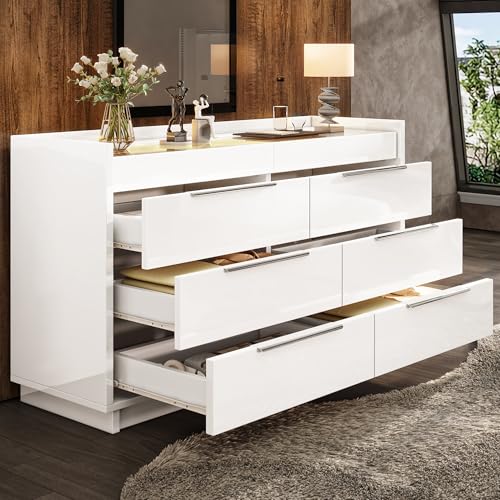
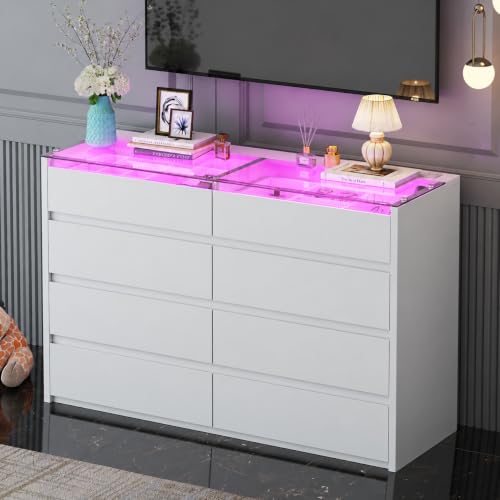
Dresser with Jewelry Drawer: A Smarter Way to Store Both Clothes and Keepsakes
If you are comparing bedroom storage options before you buy, a dresser with a dedicated jewelry drawer solves two problems at once: clothing organization and safe, tangle-free storage for valuables. This guide explains the layouts, materials, and features that matter most so you can decide with confidence.
Why this guide matters: Most shoppers arriving here already know they want a dresser with jewelry storage built in. What they usually still need is clarity on drawer placement, lining materials, security options, and how these details affect long-term usability. The sections below break each of those down in plain language, without guesswork.
What Exactly Is a Dresser with a Jewelry Drawer?
A dresser with a jewelry drawer is a standard clothing storage piece that includes at least one compartment specifically designed for accessories. Instead of a single open drawer, these compartments typically feature divided trays, felt or velvet linings, and occasionally a lock. The design intent is simple: keep rings, necklaces, earrings, watches, and small heirlooms separated from clothing so nothing scratches, tangles, or gets misplaced.
These dressers come in several configurations. Some place the jewelry compartment as the top drawer, where it is easiest to reach each morning. Others use a shallow pull-out tray just below the top surface, which keeps the jewelry hidden from casual view. A third variation is a concealed compartment built into the side or behind the main drawer bank, which adds a layer of privacy for higher-value items. If privacy is your main priority, you may also want to explore options with a hidden jewelry drawer or a broader selection of dressers with jewelry storage.
Common Jewelry Drawer Layouts and Where They Fit Best
The layout you choose should match how you actually get dressed. Someone who changes accessories daily benefits from a top-drawer layout, while a collector with many pieces may prefer a larger divided tray. The table below compares the most common configurations by tier and intended use.
| Tier | Layout | Best For |
|---|---|---|
| Entry-level | Single shallow top drawer with basic dividers | Light daily use, small accessory collections |
| Mid-range | Felt-lined tray with removable compartments | Everyday jewelry plus watches and small heirlooms |
| Premium | Full-width velvet-lined drawer with ring rolls and necklace hooks | Larger collections needing tangle-free organization |
| Luxury | Concealed locking compartment integrated behind the drawer bank | High-value items requiring privacy and security |
If you want the jewelry compartment to sit right at hand height, a model with a built-in jewelry box integrated into the top surface may be the most convenient choice. You can compare those configurations in this guide to a dresser with built-in jewelry box. For shoppers who want additional storage flexibility, models with lots of small drawers often pair well with a jewelry tray because they keep smaller items organized.
Features That Separate a Good Jewelry Dresser from a Great One
Not every jewelry drawer is built to the same standard. The differences show up in the lining, the glides, and the overall construction. The checklist below highlights the features worth confirming before you commit.
- Felt or velvet lining: Prevents scratches and keeps small items from sliding around when the drawer opens.
- Full-extension glides: Lets you see and reach the entire compartment instead of only the front half.
- Removable dividers: Adapts the layout as your collection changes over time.
- Soft-close mechanism: Reduces slamming and protects delicate pieces from impact.
- Locking option: Adds a layer of security for higher-value items, especially in shared spaces.
- Solid wood or reinforced drawer boxes: A durable construction keeps the tray aligned and prevents sagging over years of use.
Durability matters more than most shoppers expect. A jewelry drawer opens and closes far more often than a clothing drawer, so the runners take constant wear. Mid-range and premium tiers typically use metal glides with smoother travel, while entry-level models may rely on simpler slides that work fine for lighter use. If you want the drawer bank itself to feel solid, look for models described as solid wood with no assembly required, which often use heavier drawer boxes.
Materials and Finishes That Complement Jewelry Storage
The exterior material affects both the look of your bedroom and how well the dresser holds up. Solid wood and high-grade engineered wood are the most common choices, each with trade-offs. Solid wood offers a heavier, more substantial feel and can be refinished later. Engineered wood with quality veneers is often more stable in humid rooms and keeps the overall weight manageable.
Finish also plays a role in how the jewelry drawer feels to use. A smooth, sealed finish reduces friction and makes the drawer pull feel deliberate rather than sticky. If your bedroom palette leans warm or neutral, a dresser with gold handles can tie the piece into the room while keeping the jewelry compartment discreet. For a broader look at coordinating the piece with your existing decor, the dresser style guide walks through the main aesthetic directions.
Solid Wood
Heavier build, refinishable surface, and a substantial feel. A long-term investment for bedrooms where the dresser is a focal piece.
Engineered Wood with Veneer
Stable in humid conditions and lighter to move. Quality veneers can look nearly identical to solid wood at a mid-range tier.
Upholstered or Painted Finishes
Softer visual presence that suits modern and transitional bedrooms. Check that the jewelry drawer interior remains properly lined.
Sizing and Placement: Making the Jewelry Drawer Work in Your Room
The jewelry drawer only delivers its full benefit if the dresser fits your space comfortably. Measure the wall width, the clearance for drawer travel, and the height you can reach without bending awkwardly. A top-drawer jewelry layout works best when the dresser surface sits near waist height, so you can open the drawer and see the contents at a glance.
In smaller bedrooms, a compact option may be the smarter fit. If floor space is tight, review dressers for small spaces to see which configurations preserve usable walking room. For walk-in closets or dressing areas, a dresser that fits in a closet can keep the bedroom itself uncluttered. And if you are building a coordinated set, a dresser with matching nightstands keeps the visual language consistent across the room.
Security and Privacy: When a Locking Drawer Makes Sense
Not every household needs a lock, but certain situations make one worthwhile. Shared apartments, homes with young children, and bedrooms used by multiple family members are all cases where a locking compartment adds peace of mind. A lock does not make a dresser a safe, but it does deter casual access and keeps valuables out of easy reach.
If security is a priority, compare models with a locking drawer system and check whether the lock secures only the jewelry tray or the entire drawer bank. Some designs lock the top compartment only, which is usually sufficient for everyday accessories. For items you would rather keep completely out of view, a concealed compartment combined with a lock offers the strongest practical protection in a bedroom setting.
How a Jewelry Dresser Compares to Other Bedroom Storage
It helps to see the jewelry dresser in context. The table below positions it against related storage pieces so you can judge whether it is the right primary piece or a complement to what you already own.
| Storage Piece | Primary Strength | Best For |
|---|---|---|
| Dresser with jewelry drawer | Combined clothing and accessory organization | Bedrooms needing one efficient storage anchor |
| Chest of drawers | Tall vertical storage with deep drawers | Rooms with limited wall width |
| Armoire or wardrobe | Hanging space plus shelving | Wardrobes with limited closet space |
| Nightstand | Bedside essentials within arm's reach | Small items needed during the night |
If you are weighing the dresser against a taller piece, the comparison of dresser vs chest of drawers explains the trade-offs in footprint and capacity. For rooms where hanging storage is the bigger need, a dresser vs armoire breakdown clarifies when each piece earns its floor space. And if the jewelry dresser will sit beside the bed, the dresser vs nightstand guide helps you decide whether one piece can cover both roles.
A Practical Buying Checklist Before You Commit
Use this checklist as a final filter when you are comparing two or three candidates. It focuses on the details that are easy to overlook in photos but obvious in daily use.
- Confirm the jewelry compartment is lined and divided, not a single open tray.
- Check that the drawer glides are rated for frequent opening and closing.
- Measure the drawer travel to ensure it clears your walking path.
- Decide whether you need a lock or a concealed compartment.
- Match the finish to your existing bedroom palette before ordering.
- Review the overall drawer count so clothing storage is not sacrificed for the jewelry tray.
If you want to see how jewelry storage fits into a broader bedroom plan, the dresser with lots of storage overview covers configurations that balance clothing capacity with accessory compartments. For a complete picture of how this piece fits alongside other furniture, the dresser hub collects the major buying topics in one place.
Frequently Asked Questions
Is a jewelry drawer strong enough for watches and heavier pieces?
Most jewelry trays are designed for rings, earrings, necklaces, and watches. Heavier items like large metal bracelets are usually fine, but very heavy pieces are better stored in a dedicated box. Check that the drawer base is reinforced if you plan to store heavier accessories.
Can the jewelry drawer be removed if I need more clothing space?
Many models with removable dividers allow the tray to be lifted out, turning the drawer into a standard shallow drawer. Confirm this feature before buying if flexibility matters to you.
Do I need a locking jewelry drawer?
A lock is optional for most households but valuable in shared living situations or homes with young children. If you choose a lock, verify whether it secures only the jewelry tray or the full drawer bank.
Will a jewelry drawer fit in a small bedroom?
Yes, provided you choose a compact footprint. Measure wall width and drawer clearance first, and consider a narrow or tall configuration if floor space is limited.
How do I keep the jewelry lining clean over time?
Vacuum the lining gently with a brush attachment and avoid storing damp items inside. Felt and velvet linings last longer when they are kept dry and free of perfume residue.
Ready to Compare Your Options?
Browse the recommended dressers with jewelry storage below and check availability for the configuration that fits your bedroom.