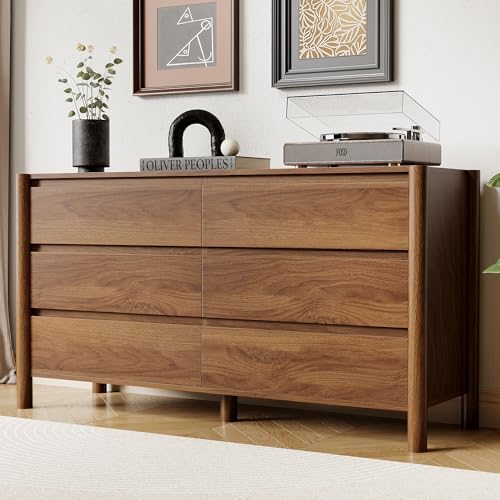
Dresser Solid Wood No Assembly: Ready-to-Use Buying Guide
Everything you need to know before choosing a fully assembled solid wood dresser that arrives ready to use, with durable construction and premium drawer hardware.
EXPLORE RECOMMENDED OPTIONSWhy this guide matters: If you have ever spent an entire afternoon wrestling with flat-pack furniture, you already understand the appeal of a dresser that arrives fully built. A solid wood dresser with no assembly required combines the durability of real timber with the convenience of immediate use. This guide explains what to look for, how to verify assembly status, and which features separate a well-built ready-to-use dresser from an ordinary one.
What Does "No Assembly" Really Mean?
The phrase "no assembly" can mean different things depending on the seller. In its strictest sense, a no-assembly dresser arrives as a single, fully constructed unit. The frame is joined, the drawers are fitted, and the hardware is attached at the factory. You unbox it, position it in your room, and begin using it the same day.
Some listings use softer language, such as "minimal assembly" or "ready to use," which may mean the main body is pre-built but the legs or handles still need attaching. Before ordering, read the product description carefully and look for confirmation that the piece ships fully assembled. When the description is ambiguous, customer questions and reviews often reveal the real setup experience.
It also helps to understand where a no-assembly dresser fits within the broader furniture landscape. Compared with a traditional dresser that may ship in multiple boxes, a pre-built unit removes the risk of missing parts and misaligned joints. The trade-off is usually a larger delivery footprint, so measure your entryways in advance.
Why Choose Solid Wood Over Engineered Alternatives?
Solid wood remains the benchmark for furniture longevity. A well-constructed solid wood dresser resists warping, holds screws and joinery tightly, and can be refinished if the surface dulls over time. Engineered wood products, by contrast, rely on particleboard or medium-density fiberboard cores that are more vulnerable to moisture and repeated stress.
For a no-assembly piece, solid wood offers an additional advantage: the factory can use reinforced joinery that would be difficult to replicate at home. Dovetail joints, corner blocks, and glued-and-screwed frames perform best when assembled under controlled conditions. That is why a fully assembled solid wood dresser often feels more rigid than a flat-pack equivalent of similar dimensions.
If you are still comparing furniture categories, our guide to dresser vs chest of drawers explains how height and drawer configuration affect daily usability. For a broader overview of construction quality, the dresser style guide covers the design language that pairs best with solid timber.
Key Features to Evaluate Before You Buy
Not every ready-to-use dresser is built to the same standard. The following criteria help you separate a genuinely well-made piece from one that merely avoids assembly.
Joinery and Frame Construction
Look for dovetail drawer joints, corner blocking, and a frame that feels solid when you press on the corners. A high-end tier dresser typically uses traditional joinery, while an entry-level model may rely on stapled butt joints. The difference becomes obvious after years of daily opening and closing.
Drawer Glides and Hardware
Metal ball-bearing glides with full-extension travel make a noticeable difference in daily use. Mid-range and premium dressers usually include soft-close mechanisms and reinforced drawer boxes. If you plan to store heavier items such as denim or bedding, prioritize heavy-duty glides rated for frequent use.
Finish and Surface Protection
A quality finish protects solid wood from spills and humidity swings. Lacquer, polyurethane, and oil-based finishes each behave differently. A matte lacquer suits modern interiors, while a hand-rubbed oil finish highlights natural grain. Either way, confirm that the finish is applied at the factory, since a pre-finished surface is part of what makes a no-assembly dresser convenient.
Dimensions and Delivery Access
Because the unit arrives fully built, the delivery path matters as much as the room layout. Measure doorways, hallways, and stair turns. A wide dresser may need to be tilted to clear a door frame, so account for a few inches of clearance. If space is tight, consider a narrower profile such as a dresser that fits in a closet or a compact dresser for small spaces.
Tier Descriptors: How to Read Quality Without Prices
This guide uses neutral tier language to describe relative market positioning. These descriptors reflect construction quality and feature depth rather than any specific figure.
| Tier | Typical Construction | Best For |
|---|---|---|
| Entry-level | Solid wood frame with basic glides and simpler joinery | Guest rooms, first apartments, light daily use |
| Mid-range | Dovetail drawer boxes, ball-bearing glides, factory finish | Primary bedrooms, families, regular use |
| Premium | Reinforced joinery, soft-close glides, hand-finished surfaces | Master suites, long-term investment pieces |
| Luxury | Traditional joinery, premium hardware, artisanal finishing | Design-forward interiors, heirloom furniture |
In practice, a mid-range model usually offers the most balanced feature set. It provides the smooth drawer action and sturdy frame that most households need, while premium and luxury tiers add refinement and longevity for buyers who plan to keep the piece for decades.
How to Verify Assembly Status Before Ordering
The single most important step is confirming that the dresser truly ships fully assembled. Product listings vary in how they describe this, so use the following checklist.
- Search the product page for phrases such as "fully assembled," "ready to use," or "no assembly required."
- Read the delivery and shipping section to see whether the item arrives in one carton or multiple boxes.
- Check customer questions for mentions of tools, setup time, or missing hardware.
- Review the return policy, since a large pre-built item is harder to send back than a flat-pack box.
- Confirm the delivery service includes placement inside your home, not just curbside drop-off.
If a listing is vague, treat the assembly status as unconfirmed. A short message to the seller is far easier than discovering halfway up the stairs that a dresser needs to be partially disassembled to fit through a doorway.
Room-by-Room Considerations
The right no-assembly solid wood dresser depends on where it will live. In a primary bedroom, a wide six-drawer model with soft-close glides offers generous storage and a calm, uncluttered look. In a nursery, safety features such as anti-tip hardware and rounded edges matter more than drawer count. For a hallway or entryway, a slimmer profile keeps traffic paths clear.
If you need a piece that multitasks, explore options such as a dresser TV stand combo or a dresser that doubles as a desk. These designs combine storage with a secondary function, which is especially useful in apartments and multipurpose rooms. A dresser with lots of storage is another strong choice for households with extensive clothing collections.
For buyers who want a coordinated bedroom set, matching pieces can simplify the design process. A dresser with matching night stands creates a cohesive look without additional shopping. Those who prefer a streamlined silhouette may lean toward a dresser without mirror, which keeps the wall above free for artwork or lighting.
Solid Wood Species and Finish Pairings
The wood species affects both appearance and performance. Oak offers pronounced grain and excellent hardness, making it a popular choice for family homes. Walnut brings a darker, more contemporary tone with fine grain. Maple is dense and pale, ideal for minimalist interiors. Pine is softer and develops character over time, though it dents more readily than hardwood.
Finish selection should match the species and the room's humidity. A factory-applied lacquer provides a consistent sheen and reasonable moisture resistance. Oil finishes feel more natural to the touch but require periodic reapplication. Whichever you choose, confirm that the finish is fully cured before delivery, since a no-assembly dresser cannot be easily refinished in place during the first weeks of use.
If you are refining the overall look of the room, our dresser styles overview covers modern, farmhouse, and transitional directions that pair well with solid timber.
Common Mistakes to Avoid
Even careful buyers can overlook details that matter after delivery. The most frequent mistakes include:
- Assuming "no assembly" means the same thing across every seller.
- Forgetting to measure doorways and stairwells before ordering a fully built unit.
- Overlooking drawer glide quality in favor of appearance alone.
- Skipping anti-tip hardware installation, especially in homes with children or pets.
- Placing the dresser in direct sunlight, which can fade even a factory finish over time.
Avoiding these pitfalls ensures that the convenience of a ready-to-use dresser is not undermined by a delivery or placement problem.
Care and Maintenance for Solid Wood
Solid wood rewards simple, consistent care. Dust the surface with a soft cloth, wipe spills promptly, and avoid harsh chemical cleaners that can dull the finish. Keep the dresser away from direct heat sources and maintain indoor humidity within a moderate range to minimize seasonal movement. Periodically check that drawer glides remain clean and free of debris, and tighten any visible hardware if it loosens over time.
With basic maintenance, a well-built solid wood dresser can serve a household for many years. The absence of assembly also means fewer stress points introduced during home setup, which contributes to long-term structural integrity.
Frequently Asked Questions
What does a solid wood dresser with no assembly mean?
It means the dresser arrives fully built by the manufacturer. The frame, drawers, and hardware are already assembled, so you only need to place it in your room and start using it.
Are no-assembly solid wood dressers more durable than flat-pack options?
Generally, yes. Fully assembled solid wood dressers use reinforced joinery and heavy-duty construction that often outlast flat-pack alternatives, because the manufacturer controls the assembly process.
How do I verify that a dresser truly requires no assembly?
Check the product listing for phrases such as fully assembled, ready to use, or no assembly required. Review the delivery information and customer questions to confirm whether any tools or setup steps are needed.
Can a solid wood no-assembly dresser fit through narrow doorways?
Measure your doorway, hallway, and stairwell before ordering. Since the dresser arrives fully built, it must pass through your home's access points intact. Compare the dresser's depth and width against your tightest entry space.
Final Checklist Before You Decide
Before finalizing your choice, run through this short checklist to confirm the dresser meets your needs:
- Assembly status is explicitly confirmed as fully assembled.
- Dimensions fit your room and your delivery path.
- Drawer glides match your expected daily use.
- Wood species and finish suit your interior style.
- Anti-tip hardware is included or available.
- Delivery service includes in-home placement.
Once these boxes are checked, you can move forward with confidence. A solid wood dresser with no assembly required is an investment in both convenience and durability, and the right choice will serve your bedroom for years to come.