
Changing Pad to Put on Top of Dresser: The Complete Guide
Turn your dresser into a safe, practical changing station. Learn how to choose the right pad, secure it properly, and set up a nursery space that works for everyday use.
Why a dresser-top changing pad makes sense: Many parents already own a sturdy dresser in the nursery, and placing a changing pad on top gives you a dedicated, waist-height surface without adding another piece of furniture. The key is choosing the right pad and securing it correctly so it stays stable through every diaper change.
What Is a Changing Pad for a Dresser Top?
A changing pad to put on top of a dresser is a padded, water-resistant surface designed to sit on the flat top of a dresser and provide a comfortable, easy-to-clean spot for changing diapers. Unlike a dedicated changing table, which is built with raised sides and a fixed frame, a dresser-top pad is portable, removable, and designed to fit standard dresser dimensions.
Most pads sold for this purpose fall into two categories: contoured pads with raised side walls and flat pads with a simple rectangular shape. Some models include a safety strap, a non-slip base, or a security belt that attaches to the dresser back. The right choice depends on your dresser size, your baby's age, and how much built-in containment you want.
Why Use a Dresser Instead of a Dedicated Changing Table?
A dresser-top changing pad offers several practical advantages for nursery setups:
- Space efficiency: One piece of furniture serves double duty as storage and a changing surface.
- Waist-height convenience: A standard dresser puts the baby at a comfortable height, reducing back strain during changes.
- Built-in storage: Diapers, wipes, and creams can live in the drawers directly below the pad.
- Long-term use: When the changing stage ends, the dresser remains a functional bedroom piece.
- Design flexibility: You can choose a dresser that matches your nursery style rather than settling for a generic changing table.
If you are still deciding between a dedicated unit and a combined piece, our guide to a changing table dresser combo explains how these hybrid designs compare. For a broader look at nursery storage, our changing dresser overview covers the main configurations available.
Types of Changing Pads That Fit on a Dresser
Contoured Changing Pads
Contoured pads have raised sides that create a shallow basin, helping to keep a baby centered during changes. They are the most common choice for dresser-top setups because the side walls add a sense of containment and make it harder for a baby to roll off sideways. Most contoured pads include a safety strap and a non-slip bottom.
Flat Changing Pads
Flat pads provide an even, rectangular surface with no raised sides. They are easier to wipe clean, easier to store, and often fit more precisely on a dresser top with no overhang. Flat pads work well for very young infants and for parents who prefer a minimalist setup, but they offer less containment once a baby becomes mobile.
Changing Pad Toppers and Trays
A changing pad topper is a lightweight frame or tray that sits on the dresser and holds a pad in place. These are useful if you want extra stability without drilling into the dresser. Our guide to changing table toppers for dressers compares the main styles. A changing table tray for dresser is a similar concept with a shallower profile.
Built-In or Combination Units
Some dressers are designed with a recessed top or a removable changing tray that converts the surface into a changing station. If you are shopping for this style, our page on a changing table to go on top of dresser explains the options, and our guide to a changing station on top of dresser walks through full setup ideas.
How to Choose the Right Size Pad for Your Dresser
Fit is the most important factor when placing a pad on a dresser. A pad that overhangs the edge creates a tipping risk, and a pad that is too small leaves gaps where a baby could shift. Follow these steps:
- Measure the dresser top depth and width. Use a tape measure and write down the usable flat area, excluding any raised trim or back rail.
- Check standard pad dimensions. Most pads are roughly 32 to 34 inches long and 16 to 18 inches wide. Contoured pads are usually in this range as well.
- Leave a small margin. The pad should sit fully on the surface with at least an inch of dresser top visible around the edges where possible.
- Confirm the pad has a non-slip base. A textured or rubberized underside keeps the pad from sliding when the baby moves.
- Check for a safety strap. Many pads include a strap that screws or clips to the dresser back for extra security.
Quick fit check: Place the pad on the dresser before use. If any corner hangs past the dresser edge, the pad is too large for that surface. Choose a smaller model or a flat pad designed for compact dressers.
Safety Setup: Securing the Pad and the Dresser
A changing pad on a dresser is only as safe as the dresser underneath it. Follow these setup steps in order:
- Anchor the dresser to the wall. Use anti-tip hardware rated for the dresser's weight. This is non-negotiable for any dresser used as a changing surface.
- Clear the dresser top. Remove lamps, frames, and heavy objects that could fall or be pulled over during a change.
- Place the pad with the non-slip side down. Press it firmly onto the dresser top.
- Attach the safety strap. If your pad includes a strap, secure it to the dresser back or use the manufacturer's anchor points.
- Keep one hand on the baby at all times. Even with a strap and a contoured pad, never step away from a baby on an elevated surface.
For a deeper look at securing the pad itself, see our guide to a changing pad holder for dresser. If you are starting from scratch with the pad selection, our changing pad for dresser page covers material and feature comparisons. For dressers designed specifically for this use, our change table chest of drawers guide explains the structural differences.
Contoured vs. Flat Pads: Which Should You Choose?
| Feature | Contoured Pad | Flat Pad |
|---|---|---|
| Containment | Raised sides help keep baby centered | No side walls; relies on straps and attention |
| Cleaning | Seams and side walls need more wiping | Simple surface, quick to wipe clean |
| Storage | Bulky; takes more shelf space | Compact; easy to store or travel with |
| Best for | Newborns through early rolling stage | Very young infants and minimalist setups |
| Fit on dresser | Requires enough depth for side walls | Fits nearly any flat dresser top |
In practice, most parents choose a contoured pad for a dresser-top setup because the side walls add a layer of containment during the newborn months. A flat pad is a good secondary option for travel or for a second changing spot in the home.
Setting Up the Rest of the Changing Station
A pad alone is not a complete station. A practical dresser-top setup includes:
- Diaper storage within reach: A small basket or a dedicated drawer directly below the pad.
- Wipes and creams: Kept in a caddy or a shallow drawer so they do not clutter the pad surface.
- A changing pad cover: Choose a fitted cover that is machine washable and does not bunch up under the baby.
- A small night light or lamp: Placed on a separate surface, not on the dresser top, to avoid cords near the pad.
- A trash bin with a lid: Positioned beside the dresser, not on top of it.
If you want to build a full nursery storage system around the dresser, our changing table drawers guide covers how to organize diapers and supplies in adjacent drawers. For combined units, see our changing table dresser overview and the changing table dressers collection for style options.
When to Move Away From a Dresser-Top Changing Pad
A dresser-top pad is well suited to the newborn and early infant stage. Plan to transition when your baby shows any of these signs:
- Rolling over in either direction
- Pushing up on hands and knees
- Reaching and grabbing at objects beside the pad
- Significant wiggling or arching during changes
At that point, a floor-level changing mat or a dedicated changing table with higher sides is the safer choice. The dresser can continue as a standard storage piece, and the pad can be stored or repurposed for travel.
Dresser Styles That Work Well With a Changing Pad
Not every dresser is a good candidate for a changing pad. The best options have a wide, flat top, a sturdy frame, and drawers that operate smoothly under load. A chest dresser with deep drawers is a practical choice because the lower drawers can hold larger items while the top stays clear for the pad. A chest dresser for bedroom with a full-width top also provides enough surface area.
If you are still selecting the dresser itself, our changing dresser guide explains which structural features matter most for a combined storage and changing setup. Our changing table and dresser in one page covers purpose-built combination units if you prefer a single integrated piece.
Materials and Covers: What to Look For
The pad surface should be wipeable, and the cover should be easy to remove and wash. Look for:
- Waterproof core: A sealed foam or wipeable vinyl surface prevents moisture from reaching the foam.
- Phthalate-free materials: Many modern pads are labeled as free from added phthalates.
- Fitted covers: Elasticized covers stay flat and are less likely to bunch under the baby.
- Reinforced seams: Seams that are heat-sealed or double-stitched last longer with frequent cleaning.
- Non-slip backing: A textured underside is essential on a smooth dresser top.
For a complete overview of pad options, see our changing pad to put on top of dresser reference page. If you are comparing a pad to a full changing table, our changing table dresser for sale page explains the differences between the two formats.
Organizing the Dresser Drawers Below the Pad
The drawers directly below the changing pad should hold the items you reach for most often during a change. A common layout:
- Top drawer: Diapers, wipes, creams, and a spare pad cover.
- Second drawer: Onesies, sleepers, and socks in current size.
- Lower drawers: Larger clothing, blankets, and backup supplies.
If you want a full drawer-by-drawer plan, our changing table drawers guide covers a practical layout that works for most dresser-top stations. For dressers with deep drawers, our chest dresser with deep drawers page explains how to use the extra depth without losing track of smaller items.
Common Mistakes to Avoid
- Not anchoring the dresser to the wall. This is the single most important safety step.
- Using a pad that overhangs the dresser edge. Overhang creates a tipping and fall risk.
- Placing the pad near cords or heavy objects. Keep the pad surface clear and away from window blinds and lamp cords.
- Skipping the safety strap. Even a non-slip base can shift over time; the strap is a backup.
- Continuing to use the pad after the baby starts rolling. Transition to a floor-level mat or a dedicated changing table at that point.
Frequently Asked Questions
Can you put a changing pad on top of a dresser?
Yes, a changing pad can be placed on top of a dresser as long as the dresser is stable, the pad is secured with a safety strap or non-slip base, and the dresser is anchored to the wall. This turns a standard dresser into a practical changing station.
What size changing pad fits on top of a dresser?
Most standard changing pads measure about 32 to 34 inches long and 16 to 18 inches wide. Contoured pads fit within these dimensions. Measure your dresser top depth and width before buying to ensure the pad sits fully on the surface with no overhang.
How do you secure a changing pad to a dresser?
Use a pad with a non-slip bottom or attach a safety strap to the dresser back. Many pads include anchor straps or a security belt. Always anchor the dresser itself to the wall using anti-tip hardware for maximum safety.
What is the difference between a contoured and flat changing pad?
A contoured changing pad has raised sides that help keep a baby centered, while a flat pad offers a simple, even surface. Contoured pads are popular for dresser-top setups because the side walls add a sense of security. Flat pads are easier to clean and store.
When should you stop using a changing pad on a dresser?
Stop using a dresser-top changing pad once your baby begins to roll over, push up, or wiggle significantly, typically around four to six months. At that stage, a floor-level changing mat or a dedicated changing table with higher sides is safer.
Ready to Set Up Your Dresser Changing Station?
Explore our recommended changing pads and dresser storage options below to build a safe, organized nursery station.
Recommended Changing Pads for Dresser Tops
⚠️ AFFILIATE DISCLOSURE: This website contains affiliate links. As an Amazon Associate, we earn from qualifying purchases. If you make a purchase through these links, we may receive a small commission at no additional cost to you. Read our full affiliate policy.

Delta Children Foam Contoured Changing Pad with Waterproof Cover
Check price on Amazon
Jool Baby Soft Changing Pad + Washable Cover - (Cloud Pattern, Gray) | Makes Changing Time Easier With Contoured Sides & Safety Strap – Includes Machine Washable Zip-Off Cover for Easy Cleaning
Check price on Amazon
Organic Cotton Covered Contoured Baby Changing Pad | Waterproof Foam Mattress, Soft, Removable & Washable Cover, Safety Strap, Non-Slip Bottom, Topper for Standard Size Infant Diaper Table & Dresser
Check price on Amazon
YENING Mini Baby Diaper Changing Pad for Dresser Top with Cover 27" x 16", Waterproof Lining Small Foam Contoured Changing Table Pads Topper White
Check price on Amazon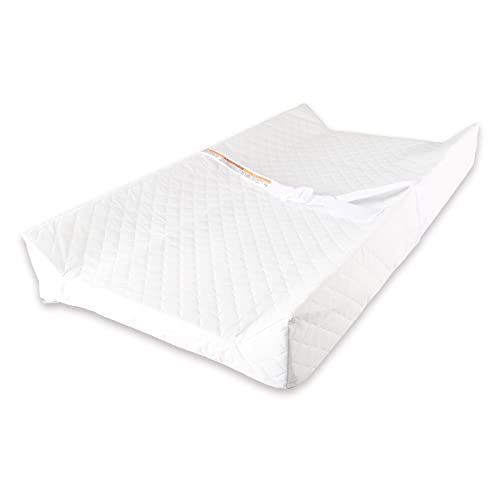
BBjixiang Baby Diaper Changing Table Pad with Waterproof Cover, Contour Changing Pad for Dresser Top 32”×16”
Check price on Amazon
Blissful Diary Vegan Leather Baby Changing Pad with Waterproof & Wipe-Clean PU Cover, Standard Size Cozy Diaper Changing Pad for Dresser and Table, Beige
Check price on Amazon
YENING Wipeable Changing Pad for Dresser Waterproof Leather Baby Diaper Changing Pads Washable Nursery Change Mat Beige
Check price on Amazon