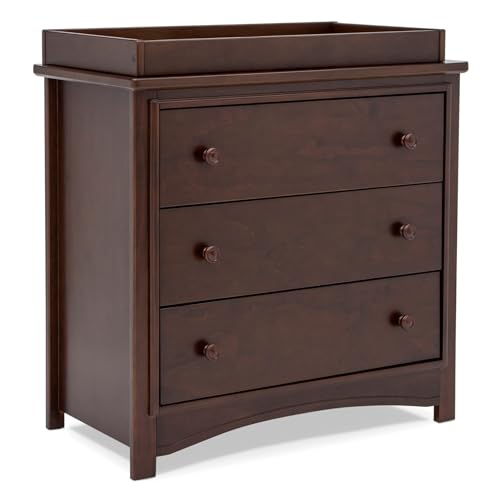
Changing Table Dresser Combo: The Complete Buying Guide
A changing table dresser combo brings together a secure diapering surface and long-term clothing storage in a single piece of nursery furniture. This guide explains how these 2-in-1 units work, what to check for safety and sizing, and how to choose the right model for your baby's room and your home.
Explore Recommended OptionsQuick Summary: A changing table dresser combo is a nursery dresser with a removable changing topper or contoured pad area on top. It saves floor space, keeps diapering supplies within arm's reach, and converts into a standard dresser once your child outgrows the changing stage. The most important considerations are anti-tip safety, a properly fitted changing pad, drawer glide quality, and a height that is comfortable for daily use.
What Is a Changing Table Dresser Combo?
A changing table dresser combo is a dual-purpose nursery furniture piece. The lower portion is a conventional dresser with drawers for clothing, bedding, and baby essentials. The top portion is designed to hold a changing pad, often with raised sides or a removable topper that creates a safe, contained diapering surface. When the diapering years are over, the topper comes off and the unit functions as a regular bedroom dresser.
This design is closely related to a changing table and dresser in one, and many shoppers use the terms interchangeably. The core idea is the same: one footprint, two jobs. For families in smaller homes or apartments, this consolidation is often the deciding factor. If you are comparing layouts, our guide to the changing dresser format explains how the diapering zone is positioned on different models.
A combo is also a natural fit for parents who want the nursery to grow with the child. Instead of retiring a dedicated changing table after roughly a year and a half, the dresser remains in service for many years. That longevity is the main reason these units have become the default choice in many nurseries.
Why Choose a 2-in-1 Changing Dresser?
Space Efficiency
One piece of furniture covers both diapering and clothing storage, which frees up floor space in compact nurseries and keeps the room from feeling crowded.
Long-Term Use
After the changing stage, the topper is removed and the unit serves as a standard dresser. The furniture stays useful through childhood and beyond.
Everything Within Reach
Diapers, wipes, creams, and fresh clothes live in the drawers directly below the changing surface, so you never have to step away from your baby.
Cohesive Nursery Design
A single coordinated piece anchors the room visually and makes it easier to match with a crib, glider, and other nursery furniture.
Fewer Purchases
Buying one well-made combo instead of a separate changing table and dresser simplifies the shopping list and reduces furniture clutter.
Flexible Placement
Because the unit is a dresser first, it can be placed against most walls and later relocated to another bedroom without looking out of place.
How the Changing Surface Works
Most combos use one of two approaches for the diapering area. Understanding the difference helps you pick a model that matches your routine.
Removable Changing Topper
A topper is a shallow tray or frame that sits on top of the dresser and holds a contoured changing pad. It usually attaches with straps, brackets, or a friction fit, and it lifts off completely when no longer needed. Toppers are convenient because they contain messes and can be wiped down separately. Many parents pair a topper with a dedicated changing pad for dresser use, and some models accept a changing pad holder for dresser that keeps the pad from sliding.
Built-In Recessed Top
Some dressers have a recessed or raised-edge top area designed to accept a pad directly. These tend to look more integrated, but the changing zone is fixed and cannot be removed. If you prefer a surface that can be added or swapped later, a changing table topper for dressers is a flexible alternative that works with many standard dressers.
Tray and Pad Combinations
A changing table tray for dresser adds a shallow lip around the pad, which helps contain accidents and keeps supplies corralled. Trays are especially useful in rentals or when you want to convert a dresser you already own. For a closer look at how these pieces fit together, see our overview of changing table toppers for dressers.
Safety First: What to Check Before Buying
Nursery furniture safety is not optional. A changing table dresser combo should be evaluated on the same criteria as any infant product, with extra attention to tip-over risk.
- Anti-tip anchoring: Every combo must be secured to the wall using the supplied strap or bracket. Anchor into a stud whenever possible. Never rely on the dresser's own weight to prevent tipping.
- Contoured pad with restraints: The changing pad should have raised sides and a safety strap. A flat pad without containment is easier for a baby to roll off.
- Stable, level base: Check that the unit sits flat and does not wobble. Adjustable leveling feet are a plus on uneven floors.
- Drawer stops: Drawers should not pull completely free unless intentionally removed. Stops prevent a full drawer from becoming a climbing step.
- Non-toxic finishes: Look for low-emission finishes and compliance with current furniture safety and finish standards.
- No sharp edges or pinch points: Run your hand along the top edges and around drawer fronts. Hardware should be smooth and firmly attached.
Supervision remains essential regardless of how well the unit is built. Never leave a baby unattended on the changing surface, even for a moment, and keep one hand on the baby at all times. For related safety accessories, see our notes on the changing pad to put on top of dresser setups.
Sizing and Fit: Matching the Unit to Your Nursery
Fit matters for both comfort and safety. A unit that is too tall forces you to reach awkwardly; one that is too short strains your back during frequent changes. The ideal changing surface height is roughly at your waist or slightly below, so you can work with relaxed shoulders.
Typical Dimensions
| Specification | Typical Range | What to Consider |
|---|---|---|
| Overall width | 30 to 44 inches | Leave at least 12 inches of clearance beside the unit for easy access and drawer pull-out. |
| Overall depth | 18 to 22 inches | Deeper units hold more but protrude further into walkways. |
| Height to changing surface | 36 to 40 inches | Should sit near the caregiver's waist for comfortable diapering. |
| Changing pad size | Approx. 16 x 32 inches | Confirm the manufacturer's recommended pad dimensions before buying a replacement pad. |
| Drawer count | 3 to 8 drawers | More drawers mean more organized storage but a taller or wider footprint. |
Measure your wall space and the path to the door before ordering. If the nursery is tight, a narrower unit with tall drawers may fit better than a wide, low model. Our changing table drawers guide covers storage layouts in more detail, and the change table chest of drawers comparison explains how chest-style configurations differ from wide dresser styles.
Materials and Build Quality
Combos are available across the market spectrum, and build quality tracks closely with tier. Use the following framework to set expectations rather than focusing on any single specification.
| Tier | Typical Construction | Best For |
|---|---|---|
| Entry-level | Engineered wood with laminated or painted finishes; basic drawer glides; topper included on some models. | Short-term nursery setups and buyers who prioritize a compact footprint. |
| Mid-range | Engineered or mixed wood with reinforced joinery; smoother glides; better finish durability. | Most families who want a dependable unit that lasts through the nursery years. |
| Premium | Solid wood or high-grade engineered panels; dovetail or reinforced drawer boxes; soft-close glides. | Parents planning to pass the dresser down or use it in a main bedroom later. |
| Luxury | Hardwood construction, hand-finished details, premium hardware, and generous drawer capacity. | Design-focused nurseries and long-term heirloom furniture. |
Drawer glides deserve special attention. Entry-level glides can feel stiff and may loosen over time, while mid-range and premium units typically use metal side-mount or under-mount slides that stay smooth under daily use. If the unit will hold heavier items like bedding, check the stated drawer weight capacity. Solid build and reinforced joinery matter more than decorative details in a piece that will be opened and closed many times a day.
Finish choice also affects maintenance. Painted finishes hide minor scuffs but can chip at edges; natural wood tones show wear more readily but are easier to touch up. Either way, confirm that the finish is low-emission and suitable for a child's room.
Styles That Work in a Nursery
The combo should feel at home in the nursery and still look appropriate when it moves to an older child's room. Popular directions include:
- Modern and minimalist: Clean lines, flat fronts, and a neutral finish that pairs easily with any crib.
- Farmhouse and cottage: Slatted or paneled fronts, warm painted finishes, and simple hardware.
- Mid-century inspired: Tapered legs, angled fronts, and contrasting wood tones.
- Traditional: Molded edges, framed drawer fronts, and classic metal pulls.
- Scandinavian: Light wood, rounded corners, and a calm, uncluttered look.
If you already have a dresser you love, you can add a changing function without replacing it. A changing station on top of dresser setup or a changing table to go on top of dresser converts an existing piece. This is often the most efficient route when the dresser is already solid and well-sized.
Buying Checklist
Before you commit to a model, run through this list. It covers the points that matter most in daily use and long-term satisfaction.
- Measure wall space, doorway clearance, and the height of the changing surface relative to your waist.
- Confirm the unit ships with an anti-tip kit and that you have a stud or suitable anchors at the installation spot.
- Check the recommended changing pad size and whether a pad is included.
- Test or read about drawer glide smoothness and drawer stop quality.
- Verify the weight limit of the changing surface and the drawer capacity.
- Decide between a removable topper and a fixed changing top based on how long you plan to use it.
- Confirm the finish is low-emission and appropriate for a child's room.
- Check assembly requirements and whether the unit can be assembled in the room.
For a broader comparison of nursery storage formats, our changing table dressers guide covers additional configurations, and the changing table dresser overview explains how the category differs from standalone changing tables.
From Nursery to Big-Kid Room
The transition from combo to standard dresser is straightforward on most models. Remove the topper, wipe down the top surface, and the unit is ready for everyday clothing storage. Some parents keep the topper for a second child; others store it flat under a bed or in a closet.
Once the changing function is retired, consider how the dresser will serve the child's growing wardrobe. A unit with a mix of deep and shallow drawers handles both folded clothes and bulkier items like sweaters and bedding. If the dresser will later move to a hallway or guest room, a neutral finish and simple hardware age better than heavily themed designs.
Buyers who are still deciding between a combo and a dedicated changing piece can compare options in our changing table dresser for sale overview, which discusses what to look for when shopping. The cherry wood changing table dresser page is useful if you are considering a warmer wood tone for the nursery.
Frequently Asked Questions
Is a changing table dresser combo safe for a baby?
How long can I use a changing table dresser combo?
What size changing pad fits a dresser combo?
Do I need a changing table dresser combo or a separate changing table?
How do I secure a changing table dresser combo to the wall?
Ready to Choose Your Combo?
Browse recommended changing table dresser combos and compare features, storage layouts, and safety details side by side.
View Recommended Options