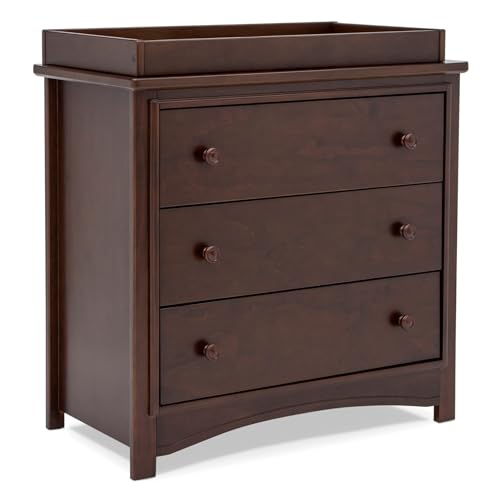
What Is a Changing Table Dresser?
A changing table dresser is a dual-purpose nursery furniture piece. The top surface is engineered to hold a changing pad, often with raised edges or safety rails, while the body of the unit provides drawer storage for diapers, wipes, clothing, and bedding. Unlike a stand-alone changing table dresser, a combo unit is designed to remain useful long after the diapering stage ends.
The concept has gained popularity because nurseries are often small. Parents want maximum function from a single footprint. A well-built changing dresser delivers that efficiency without sacrificing style or durability.
Key Features to Evaluate Before You Buy
Safety Rails and Changing Surface
The changing surface should be flat, stable, and surrounded by raised edges on at least three sides. Many models include removable safety rails that can be taken off once the child outgrows the diapering stage. Confirm that the surface depth accommodates a standard changing pad for dresser and that the pad can be secured with straps or a non-slip base.
Tip-Over Restraint Hardware
Any tall nursery furniture must include anti-tip hardware. Check that the dresser ships with wall-anchoring brackets and that the instructions explain installation clearly. This is a non-negotiable safety feature, especially in households with toddlers who may climb.
Drawer Glides and Interior Layout
Nursery drawers open and close dozens of times per day. Look for metal ball-bearing glides or high-grade side-mounted slides rather than basic friction runners. Interior drawer height matters too: shallow top drawers work well for wipes and ointments, while deeper lower drawers hold folded clothing and blankets.
Material and Finish Quality
Solid wood and high-grade engineered wood with low-VOC finishes are the safest choices for a nursery. Avoid units with strong chemical odors or unfinished interior surfaces. Reinforced drawer boxes and dovetail or dowel joinery signal a piece built to last through multiple children.
Nursery Dresser Safety Checklist
- Anti-tip wall anchor included and easy to install
- Changing surface has raised edges on three sides
- Safety rails are removable for later conversion
- Drawer glides are smooth and rated for frequent use
- Finish is low-VOC and free of strong odors
- No sharp corners or exposed hardware at child height
- Unit passes tip-over stability testing when empty
Quality Tiers: What to Expect at Each Level
Nursery furniture spans a wide range of construction quality. Understanding the tier system helps you align your expectations with the build you are considering.
Entry-Level Tier
Engineered wood panels with laminated finishes, basic side-mounted glides, and simple assembly. Suitable for short-term use or secondary nurseries. Verify tip-over hardware is included.
Mid-Range Tier
Thicker engineered wood or mixed solid-wood construction, metal ball-bearing glides, and reinforced drawer boxes. A solid choice for daily nursery use with good longevity.
Premium Tier
Solid wood frames, dovetail joinery, soft-close glides, and low-VOC finishes. Designed to transition from nursery to child's bedroom and beyond with minimal wear.
Luxury Tier
Hardwood construction, hand-finished surfaces, premium hardware, and heirloom-grade joinery. These pieces are built as long-term investments and often carry extended structural coverage.
Changing Table Dresser vs. Separate Changing Table
Parents often weigh a combo unit against a dedicated changing table paired with a standard dresser. The right answer depends on room size, budget allocation across the nursery, and how long you plan to use the piece.
| Consideration | Changing Table Dresser Combo | Separate Changing Table + Dresser |
|---|---|---|
| Floor space | Single footprint, ideal for small nurseries | Requires two separate areas |
| Long-term use | Converts to a standard dresser after diapering | Changing table is retired once outgrown |
| Storage volume | Drawer storage integrated into one unit | Storage split across two pieces |
| Assembly complexity | One assembly process | Two separate assemblies |
| Best for | Compact rooms and transitional furniture needs | Large nurseries with dedicated zones |
Popular Styles and Configurations
The market offers several configurations to match different room layouts and design preferences. A changing table dresser combo is the most common format, pairing a flat top with three to six drawers. For families who want additional shelving, a changing table with drawers and shelves provides open storage for baskets and books.
Some parents prefer a change table chest of drawers format, where the chest is taller and narrower, suiting rooms with limited wall width. Others choose a changing table and dresser in one design that mimics a traditional bedroom dresser with a removable topper. If you already own a dresser, a changing table topper for dressers can convert it without buying new furniture.
How to Match the Dresser to Your Nursery Layout
Measure the available wall space and the distance to the crib before ordering. The changing surface should sit at a comfortable height for the caregiver, typically around waist level. Leave at least two feet of clearance in front of the dresser for safe movement while holding a baby.
Consider door swing and drawer pull-out depth. A drawer that extends into a walkway creates a tripping hazard. In tight rooms, a changing table with drawers that uses shallow, wide drawers can reduce the required clearance compared to deep pull-outs.
Materials, Finishes, and Longevity
Solid wood remains the gold standard for longevity, but modern engineered wood with quality veneers offers excellent stability and a cleaner environmental profile when finished responsibly. Whichever material you choose, inspect the interior of the drawers for rough surfaces that could snag clothing.
Finish choices matter in a nursery. Light painted finishes hide minor scuffs, while natural wood tones age gracefully and suit a wider range of decor as the child grows. If you plan to repaint later, a factory-applied primer coat simplifies the process.
Setting Up Your Changing Station Safely
Once the dresser is assembled and anchored to the wall, position the changing pad centrally on the top surface. Keep diapers and wipes in the top drawer within reach but out of the child's grasp. Never leave a baby unattended on the changing surface, even for a moment.
Mount a small nightlight or soft lamp nearby so nighttime changes do not require bright overhead lighting. Keep a small basket on top for creams and burp cloths, but secure it so it cannot be pulled down.
For more detail on setup and conversion, see our guide to the changing table dresser and our overview of changing table dressers across styles and tiers.
Ready to compare models? Browse curated options that meet our safety and construction criteria.
View Recommended OptionsFrequently Asked Questions
What should I look for in a changing table dresser?
Prioritize safety rails, a secure changing pad, tip-over restraint hardware, and sturdy construction. Check that drawer slides are smooth and that the changing surface height is comfortable for your posture.
Can a changing table dresser be used after the baby grows up?
Yes. Once the changing pad and safety rails are removed, the dresser remains a fully functional storage piece for a child's room or any bedroom. Choosing a classic design extends its usable life.
How do I choose between a changing table and a dresser combo?
A combo saves floor space and consolidates storage. If you have limited nursery space or want a piece that transitions as your child grows, a changing table dresser combo is the more efficient long-term choice.
What materials are best for a nursery changing dresser?
Solid wood and high-grade engineered wood with low-VOC finishes are the safest and most durable options. Look for reinforced drawer boxes and smooth-glide hardware for daily nursery use.