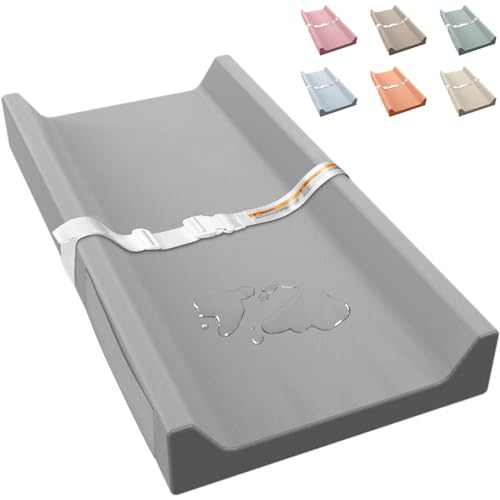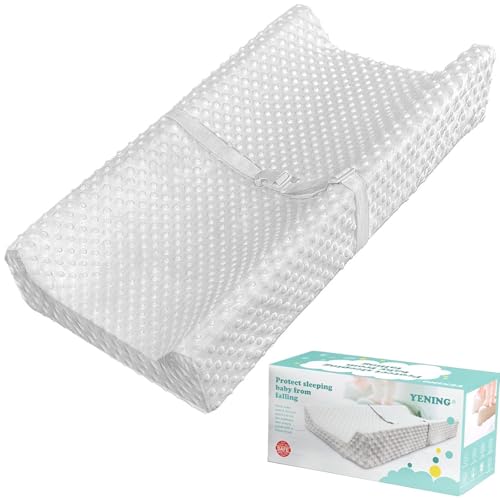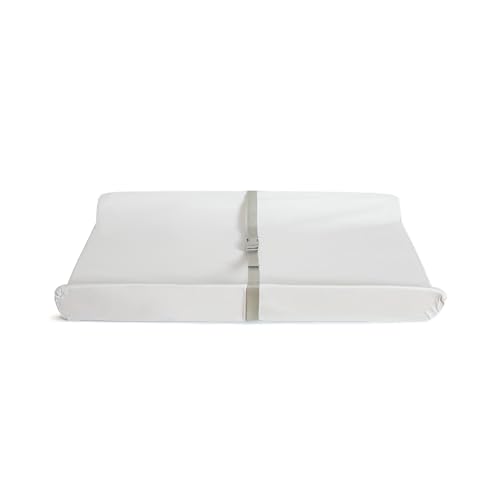
Changing Pad for Dresser: Complete Safety & Buying Guide
Transform any dresser into a safe, functional nursery changing station. Find the perfect changing pad with our expert guide on safety, materials, and fit.
Start Your GuideWhen preparing a nursery, the changing pad for dresser setup is one of the most practical and space-saving solutions for modern parents. It transforms an existing piece of furniture into a dedicated diaper-changing station without the need for a bulky, standalone changing table. This guide covers everything you need to know about choosing, fitting, and using a changing pad safely on your dresser.
Why Choose a Dresser with Changing Pad Topper?
A nursery dresser and changing table combination offers remarkable benefits: it saves valuable floor space, grows with your child (converting back to a regular dresser after the diaper years), and aligns with a minimalist nursery aesthetic. By selecting the right changing pad for dresser, you create a safe, ergonomic station that makes diaper changes easier and more comfortable for both you and your baby.
Essential Safety Features for Changing Pads
Safety is paramount when choosing a changing pad for dresser. Look for these critical features to ensure your baby's well-being:
🛡️ Safety Strap
A 3-point or 5-point safety strap secures your baby during changes and prevents accidental rolling. This is a non-negotiable safety feature.
🧽 Contoured Design
A shallow, contoured dip in the center helps keep the baby comfortably in place, offering a slight embrace that adds an extra layer of security.
🔒 Non-Slip Base
A textured or rubberized bottom ensures the pad stays firmly on the dresser surface, preventing dangerous shifting during use.
🌿 Non-Toxic Materials
Choose pads made from CertiPUR-US certified foam, organic cotton, or medical-grade PVC that are free from phthalates, lead, and BPA.
Types of Changing Pads for Dressers
Understanding the different materials and constructions will help you choose the right changing pad for dresser for your needs and budget.
1. Contoured Foam Changing Pads
The most common type, these pads are made from high-density foam with a contoured shape. They are lightweight, affordable, and typically come with a waterproof cover. Popular brands like Keekaroo and Munchkin offer excellent options in this category. A quality contoured changing pad is an ideal changing table topper for dressers.
2. Waterproof Changing Pads
For easy cleanup, waterproof pads are essential. These are often made from medical-grade, phthalate-free PVC or a similar wipeable material. They can be placed directly on the dresser and wiped down after each change, making them a hygienic and low-maintenance choice. Many parents prefer these as a dresser for newborn solution due to their practicality.
3. Organic Cotton Changing Pads
For eco-conscious parents, organic cotton pads offer a soft, natural surface for the baby. They often feature a breathable cotton cover over a supportive foam core. While they require washing, they are gentle on sensitive skin and sustainable.
How to Choose the Right Size
Getting the right size is crucial for safety and functionality. Measure your dresser top before purchasing a changing pad for dresser. The most common size is 32" x 16", but you can also find smaller (e.g., 31" x 15") and larger (e.g., 34" x 17.5") options. The pad should fit snugly without overhanging the edges of the dresser, as this creates a tipping hazard. If your dresser is unusually sized, consider a compact dresser or a larger option based on your measurements.
For those working with limited space, a small chest of drawers for bedroom can be an excellent candidate for a changing pad setup. Just ensure the top surface is spacious enough for the pad and all essentials within arm's reach.
Installation and Setup Tips
Proper installation ensures your changing pad for dresser stays secure. Follow these expert tips:
- Measure Twice: Confirm your dresser top dimensions and the pad dimensions before purchase.
- Use Non-Slip Grips: Many pads come with a non-slip bottom. For extra security, you can add double-sided furniture tape or a non-slip rug pad underneath.
- Position Near Power Outlets: If you use a diaper pail with a power cord or a baby monitor, place the pad near an outlet for convenience.
- Keep Essentials Handy: Use a nursery dresser ideas to organize diapers, wipes, and creams in nearby drawers or a caddy.
- Always Use the Safety Strap: Even for quick changes, make it a habit to strap your baby in for safety.
Maintenance and Care
To keep your changing pad hygienic and durable, follow these care instructions:
- Wipe Down Regularly: Use mild soap and water to clean the pad after each use, especially if it's waterproof.
- Wash Covers: If your pad has a removable cover, wash it weekly in warm water with mild detergent and air dry.
- Inspect for Wear: Periodically check the pad for cracks, tears, or worn straps and replace it immediately if damaged.
- Rotate Covers: Have two covers to rotate, ensuring you always have a clean one ready.
Frequently Asked Questions
Can I use any changing pad on my dresser?
Yes, as long as the pad fits securely within the dresser's surface with no overhang. The pad should be at least 1 inch smaller than the dresser width and depth for safe, stable use.
What is the best material for a changing pad for a dresser?
Medical-grade PVC or a similar waterproof material is excellent for easy cleaning. For a more sustainable option, choose organic cotton with a waterproof liner.
Is a changing pad with straps necessary?
Absolutely. A safety strap is a critical safety feature to prevent your baby from rolling off the pad during changes. Never use a changing pad without one.
How do I stop my changing pad from sliding?
Ensure the pad has a non-slip bottom. You can also use double-sided adhesive tape or a dresser for bedroom wood with a slightly textured surface to increase grip.
Final Thoughts
Investing in the right changing pad for dresser is a decision that blends practicality, safety, and style in your nursery. By understanding the key features, materials, and proper installation techniques, you can create a functional and beautiful space for your baby. Remember, the best changing pad is one that fits your dresser perfectly, meets rigorous safety standards, and fits your lifestyle.
Ready to find the perfect changing pad for your dresser? Explore our carefully selected recommendations below to find a safe, stylish, and affordable solution for your nursery.