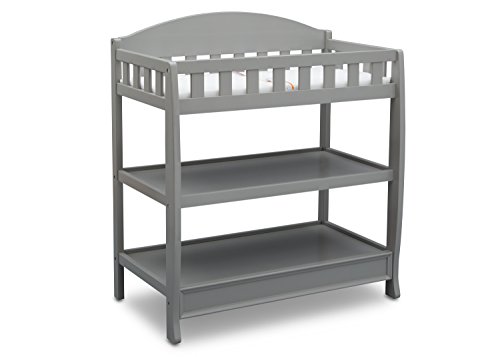
Changing Station on Top of Dresser: The Complete Setup Guide
Convert your dresser into a safe, practical nursery changing station. Learn which pads, toppers, and trays work best, how to anchor everything securely, and how to transition back to a regular dresser when your child outgrows the changing stage.
START EXPLORINGWhy this matters: A changing station on top of a dresser is one of the most space-efficient nursery setups you can build. Instead of buying a separate changing table that gets outgrown in a year, you turn a long-term storage piece into a dual-purpose surface. The key is choosing the right topper or pad, securing the dresser, and understanding the safety requirements before your baby arrives.
Why Use a Dresser as a Changing Station?
Most families discover the dresser changing station idea during nursery planning. A dedicated changing table occupies floor space for roughly 12 to 18 months, while a dresser serves the child for a decade or more. By adding a removable changing pad or topper, you get the best of both worlds: a proper changing surface during the diaper years and a full-size storage piece afterward.
The setup also keeps diaper supplies, wipes, and clothing within arm's reach because the dresser drawers become your supply cabinet. Parents who have used this arrangement consistently report that the workflow feels more natural than walking to a separate changing table in the middle of the night.
There is a practical design angle too. A quality dresser is built with deeper drawers and sturdier joinery than most changing tables, which means it handles the weight of diapers, wipes, and linens far better. If you are still deciding on the core furniture piece, our changing table dresser guide walks through the differences between dedicated changing tables and convertible dressers.
The Essential Components of a Dresser Changing Station
Every safe setup shares the same four elements: a stable dresser, a properly fitted changing surface, a secure attachment or anti-slip base, and a wall anchor. Miss any one of these and the station becomes a tipping hazard.
1. The Dresser Itself
Not every dresser is suitable. The ideal candidate has a top surface at least 36 inches wide and 18 inches deep, a flat and level top, drawers that glide smoothly under load, and a solid back panel so wall anchors have something to bite into. Dressers with a raised lip or gallery edge on top are excellent because they help contain the changing pad.
If your dresser is older or second-hand, inspect the drawer runners and the base. A wobbly dresser should be repaired or replaced before it becomes a changing station. Our bureau drawer guide covers common drawer problems and fixes that matter for load-bearing furniture.
2. The Changing Surface: Pad vs Topper vs Tray
This is where most buyers get confused, because the market uses several names for similar products. Here is the practical breakdown.
Changing pad: A contoured foam or padded mat with raised sides, usually 16 by 32 inches. It sits directly on the dresser top and is the simplest, most compact option. Look for one with a safety strap and a non-skid bottom. Our changing pad for dresser guide explains sizing and contour types.
Changing table topper: A larger unit that includes a pad plus side rails, compartments, or a frame. It may rest on top of the dresser or attach to the back. Toppers add storage for wipes and diapers but take up more surface area. The changing table toppers guide compares framed and open designs.
Changing table tray: A shallow tray or basket-style insert that holds a pad and supplies, often portable. Useful if you want to move the station between rooms. See the changing table tray for dresser overview for dimensions and portability notes.
Changing pad holder: A frame or bracket that secures a standard pad to the dresser top. This is the middle ground: compact like a pad, more stable than a pad alone. The changing pad holder for dresser guide covers installation options.
| Option | Best For | Surface Footprint | Tier |
|---|---|---|---|
| Contoured changing pad | Minimalist setups, small dressers | Small | Essential tier |
| Changing pad holder | Added stability without a full frame | Small to medium | Balanced tier |
| Changing table tray | Portable or multi-room use | Medium | Mid-tier |
| Changing table topper | Full nursery station with storage | Large | Top-tier |
3. The Anchor and Non-Slip Base
Anti-tip anchoring is not optional. A dresser used as a changing station carries a baby at height, and babies shift weight unpredictably. Use furniture anti-tip straps or brackets rated for the dresser's weight, and fix them into wall studs where possible. Under the pad, a rubberized non-slip mat or the pad's own textured base prevents sliding.
4. Supply Storage Within Reach
Keep diapers, wipes, cream, and a spare outfit in the top drawer or in a caddy beside the pad. Never place heavy items on a shelf directly above the changing surface, and keep cords and blinds out of the reach zone.
Height, Ergonomics, and Placement
The combined height of the dresser plus the pad should land near waist level for the primary caregiver, typically between 36 and 43 inches from the floor. If the dresser is too low, you will bend and strain your back dozens of times a day. If it is too high, you lose control of the baby during changes.
Place the station away from windows, radiators, and hanging cords. Leave clearance on at least one side so you can stand beside the dresser rather than always reaching across it. Good lighting overhead or a clip-on lamp makes night changes easier without waking the baby.
If the dresser top is narrow, consider a wall-mounted shelf or a slim rolling cart beside it for supplies rather than stacking items on the dresser itself. Clear surfaces are safer surfaces.
Safety Checklist Before First Use
- Dresser anchored to the wall with anti-tip straps rated for the load
- Changing pad has raised sides and a safety strap with a buckle
- Pad base is non-slip or secured with a non-slip mat
- Dresser top is flat, level, and free of sharp edges
- No heavy objects or shelving above the changing surface
- Cords, blinds, and small items kept out of reach
- Supplies stored in drawers or a caddy, not loose on the pad
- Dresser drawers closed and locked during changes
Conversion Options: From Changing Station to Dresser
One of the strongest arguments for this setup is reversibility. When the changing years end, you remove the pad or topper and the dresser returns to full storage duty. Here are the main conversion paths.
Pad-only setup: The simplest to reverse. Lift the pad, wipe the dresser top, and you are done. Ideal if you want zero permanent modifications.
Topper with back attachment: Some toppers screw into the dresser's back panel. Removing them leaves small holes that are easy to fill. Choose this if you want extra stability during the changing years and do not mind minor cosmetic repair later.
Convertible changing dressers: Some dressers are designed from the start with a removable changing frame. If you are buying new, our changing table and dresser in one guide and the changing table dresser combo overview cover the convertible category in detail.
If you already own a dresser and want a purpose-built conversion, the changing dresser guide explains which models support add-on frames.
Choosing Your Setup by Tier
Rather than thinking in terms of numbers, think in tiers. Each tier represents a different balance of features, durability, and refinement.
Essential Tier
A basic contoured changing pad with a safety strap and a non-slip base, paired with anti-tip straps for the dresser. This is the minimum viable setup and works well for families who want a simple, reversible station. The pad is lightweight, easy to clean, and stores flat when not in use.
Balanced Tier
Add a changing pad holder or a shallow tray that keeps the pad centered and provides a spot for wipes and a few diapers. This tier improves stability and convenience without taking over the dresser top. Good value for its class if you change diapers in multiple rooms.
Mid-Tier
A framed changing table topper with side compartments or a small shelf. This tier offers organized supply storage and a more permanent-feeling station. Look for toppers with a wide base and a strap that routes behind the dresser for extra security. Feature-rich for its class and a solid choice if the dresser is the only nursery furniture piece.
Top-Tier
A full convertible changing dresser or a premium topper with integrated storage, soft-close hardware, and a design that matches the dresser finish. This is a long-term investment in nursery furniture that transitions cleanly to a child's bedroom. Worthwhile investment if you plan to use the dresser for a decade or more.
Common Mistakes to Avoid
- Skipping the wall anchor because the dresser "feels heavy"
- Using an oversized pad that overhangs the dresser edges
- Placing the station on a dresser with a sloped or curved top
- Storing heavy items on a shelf above the changing surface
- Leaving supplies loose on the pad where they can roll
- Choosing a dresser that is too low or too high for the caregiver
If your dresser has a curved or ornate top, a flat tray insert can create a level surface for the pad. For dressers with damaged drawer fronts or missing hardware, our cabinet doors and drawer fronts guide covers replacement options before you commit the dresser to nursery duty.
Alternatives If Your Dresser Is Not Suitable
If the dresser top is too small, too high, or not stable enough, several alternatives preserve the convenience of a dresser-adjacent station.
A changing table to go on top of dresser is a portable topper designed specifically for dresser tops, and it can be moved to another surface if needed. A changing pad to put on top of dresser is the compact fallback. If you prefer a dedicated piece, a changing table dresser or a changing table with drawers and shelves gives you the same workflow with built-in storage.
For families who want a single purchase that covers both functions, the change table chest of drawers category is worth exploring. And if you are still comparing nursery storage overall, the buying guides hub links to related dresser and nursery content.