Change Table Chest of Drawers: The Complete Guide
Discover how a change table chest of drawers combines nursery storage with a safe, practical changing station. Learn what to look for, safety essentials, and how to choose the right model for your baby's room.
Start the GuideWhy a change table chest of drawers makes sense: A dedicated changing table has a short lifespan, but a chest of drawers with a changing topper serves your nursery from day one through the toddler years. It gives you a secure changing surface and generous storage in a single footprint — a smart choice for small nurseries and long-term use.
What Is a Change Table Chest of Drawers?
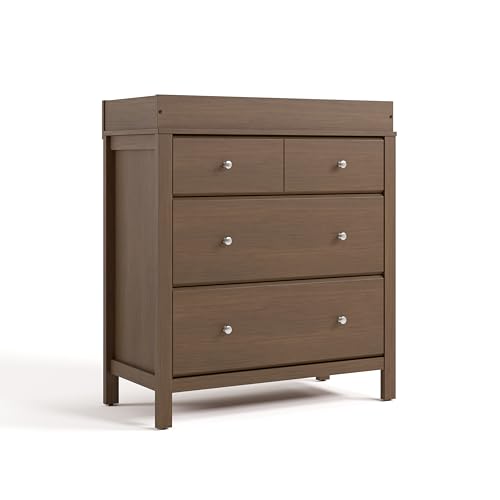
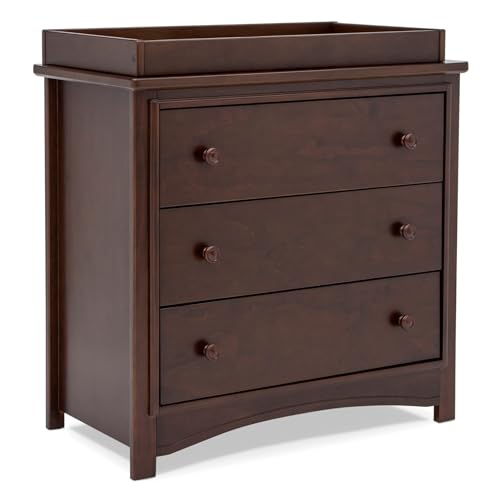
A change table chest of drawers is a nursery furniture piece that pairs a standard chest of drawers with a secure changing surface on top. Instead of buying a separate changing table that becomes obsolete once your child is out of diapers, this dual-purpose design lets you change your baby on a raised, contoured topper and store diapers, wipes, clothing, and bedding in the drawers below. Once the diaper stage ends, you simply remove the topper and the piece transitions into a regular bedroom dresser.
This category overlaps closely with a changing table dresser combo and a changing table and dresser in one unit, so you will see these terms used interchangeably. The key distinction is the top surface: a purpose-built changing topper or a flat top designed to accept a changing pad to put on top of dresser. Many parents also explore a changing dresser or a dedicated changing table dresser when they want a more traditional silhouette.
Why Choose a Change Table Chest of Drawers?
Double Duty Storage
Each drawer holds diapering essentials, onesies, and blankets, keeping everything within arm's reach during a change. No separate storage bin or shelf is needed.
Long-Term Use
Unlike a standalone changing table, a chest of drawers stays useful for years. Remove the topper and it becomes a standard bedroom dresser as your child grows.
Space Efficient
A single footprint replaces two pieces of furniture. This matters in compact nurseries, apartments, and shared bedrooms where floor space is limited.
Unified Nursery Look
Matching wood tones and finishes across the chest, crib, and nightstand create a cohesive nursery design without mismatched add-on furniture.
Types of Change Table Chest of Drawers
1. Chest with Removable Changing Topper
The most common design. A contoured topper with raised sides sits on top of a standard chest and can be lifted off once it is no longer needed. Look for a topper that locks securely to the chest or has non-slip feet so it cannot slide during a change. Some models include a changing table topper for dresser sold separately, which lets you convert an existing chest you already own.
2. Flat-Top Chest with Safety Rails
A flat-topped chest with a raised lip or removable rail system around the perimeter. You place a contoured pad inside the rail area. This style often looks more like traditional bedroom furniture and blends in well with a chest dresser for bedroom layout.
3. Integrated Changing Station with Drawers and Shelves
A purpose-built unit where the changing surface is fixed and the storage below combines drawers with open shelves. If you want dedicated open shelving for wipes and diapers alongside closed drawers for clothing, consider a changing table with drawers and shelves. These tend to be the most storage-dense option but are usually fixed rather than convertible.
4. Changing Table Tray on Dresser
A lighter-weight approach: a removable changing table tray for dresser or a changing station on top of dresser creates a temporary changing zone. This is a practical choice if you already own a sturdy dresser and want to avoid buying a new piece of furniture.
Safety First: What Every Parent Must Know
Critical Safety Reminder
Never leave a baby unattended on any changing surface, even for a few seconds. Always keep one hand on your baby while changing. A changing surface on top of a chest of drawers is elevated — falls are the leading cause of nursery injuries.
Safety should drive your purchase decision more than style. Use this checklist when evaluating any change table chest of drawers:
- Anti-tip strap or wall anchor: The chest must be secured to the wall. Any chest tall enough to change a baby on is a tip-over risk if a child climbs or pulls on an open drawer.
- Contoured changing surface with raised sides: A concave or lipped surface helps keep a wriggling baby centered. A flat pad with no retention is riskier.
- Safety belt or strap: Look for a three-point or waist belt attached to the topper. Use it every time, even for quick changes.
- Sturdy, non-slip base: The topper should have rubberized feet or a locking mechanism so it cannot shift.
- Drawer stops: Drawers should not pull out completely and drop. Soft-close and self-closing slides are a plus for quiet nap-time access.
- Smooth, non-toxic finish: Check for low-VOC or water-based finishes, and confirm the manufacturer meets current children's furniture safety standards.
- No sharp corners or edges: Rounded corners reduce injury risk during busy changes.
If you are pairing a separate pad with a chest, review guidance on a changing pad holder for dresser and a changing table to go on top of dresser to make sure the pad and the chest are compatible in size and stability.
How to Choose: Key Buying Factors
Size and Height
The ideal changing height keeps your back comfortable and your baby secure. A surface that is too low strains your back; one that is too high makes it harder to control a squirming baby. Measure the chest height plus the topper and pad, and compare it to your own waist or hip level. For the changing surface itself, aim for a depth that comfortably fits a standard changing pad with a small margin on each side. If floor space is tight, a chest of drawers low and wide can work well because it keeps the changing height lower while still offering a broad, stable top.
Drawer Configuration
Nursery storage needs differ from adult bedroom storage. Shallow top drawers are ideal for wipes, creams, and small accessories, while deeper lower drawers hold folded clothing, sleep sacks, and spare bedding. A common practical layout is two shallow drawers up top and three to four deeper drawers below. If you want to keep diapers and wipes accessible without opening drawers, a model with a side shelf or open cubby helps. For more organization ideas, see our guide to changing table drawers.
Material and Finish
Solid wood and high-grade engineered wood both work, but construction quality matters more than the label. Dovetail or reinforced drawer joints, a solid back panel, and a stable frame indicate a chest built to last through years of daily use. Durable construction matters here because the chest will be used for diapering, then as a normal dresser. Choose a finish that resists moisture — a wipe-clean surface is essential near the changing area. Parents often look at a cherry wood changing table dresser for a warm, traditional look, or a painted finish to match a modern nursery palette.
Convertibility
Ask two questions: Does the topper detach easily, and does the chest look right without it? A good convertible model has a finished top surface under the topper, so removing it leaves a clean dresser rather than an unfinished panel. This is the single biggest long-term value factor in this category.
Drawer Hardware and Movement
You will open these drawers one-handed while holding a baby. Metal ball-bearing slides with soft-close dampers make a real difference. Avoid drawers that stick, wobble, or require a firm tug. Full-extension slides let you reach the back of deep drawers without straining.
Comparing Tier Options
Change table chest of drawers models fall into broad quality tiers. Use this table to set expectations for what each tier typically delivers.
| Tier | Typical Construction | Best For | Key Trade-off |
|---|---|---|---|
| Entry-Level | Engineered wood panels, basic slides, fixed topper | Short-term nursery use or a secondary changing station | Lighter frame; less suitable as a long-term dresser |
| Mid-Range | Engineered core with solid wood trim, soft-close slides, removable topper | Most families wanting a balanced tier of durability and convertibility | Some assembly required; finish options vary |
| Premium | Solid wood frame, dovetail drawers, metal glides, locking topper | Long-term use from nursery through childhood | Heavier piece; needs two people to move safely |
| Luxury | Hardwood construction, hand-finished details, premium hardware, designer finishes | Families treating the nursery as a permanent, styled room | Longer lead times; heavier investment in the room |
A mid-range model is usually the sweet spot: it typically offers noticeably smoother drawer mechanisms and a sturdier frame than an entry-level piece, while a premium model is the better choice if you plan to keep the chest for a decade or more. For broader guidance on evaluating build quality, see our buying guides section.
Setting Up Your Changing Station
Once the chest is anchored to the wall, set up the top surface in a logical order so you can work safely with one hand:
- Place the contoured pad centered on the topper, with the safety belt routed correctly.
- Keep diapers and wipes in the top drawer or a nearby caddy within reach of your free hand.
- Store creams and small items in a shallow top drawer, never loose on the changing surface.
- Keep a spare set of clothes in the second drawer for middle-of-the-night changes.
- Never place the changing station directly under a window with cords or near a space heater.
If you prefer a topper that matches a specific chest, explore changing table toppers for dressers. If you already own a suitable chest, a changing pad holder for dresser can convert it into a safe station without buying new furniture.
Is a Change Table Chest of Drawers Right for You?
Choose this setup if you want one piece of furniture to serve as both changing station and storage, value the ability to convert it into a standard dresser later, and have a nursery where anchoring to the wall is straightforward. Skip it if you have very limited wall space for anchoring, or if you prefer a dedicated changing table with integrated open shelving for maximum grab-and-go access.
Parents frequently compare this option against a standalone changing table dresser and a changing table dressers set. The trade-off is usually storage style: convertibility versus open-shelf access. Neither is universally better — match the choice to your room and routine.
Ready to Compare Models?
Browse our curated selection of change table chest of drawers options below, chosen for safety features, storage layout, and long-term convertibility.